
Stop Cooking Your Equipment: A Better Way to Heat Biosensors
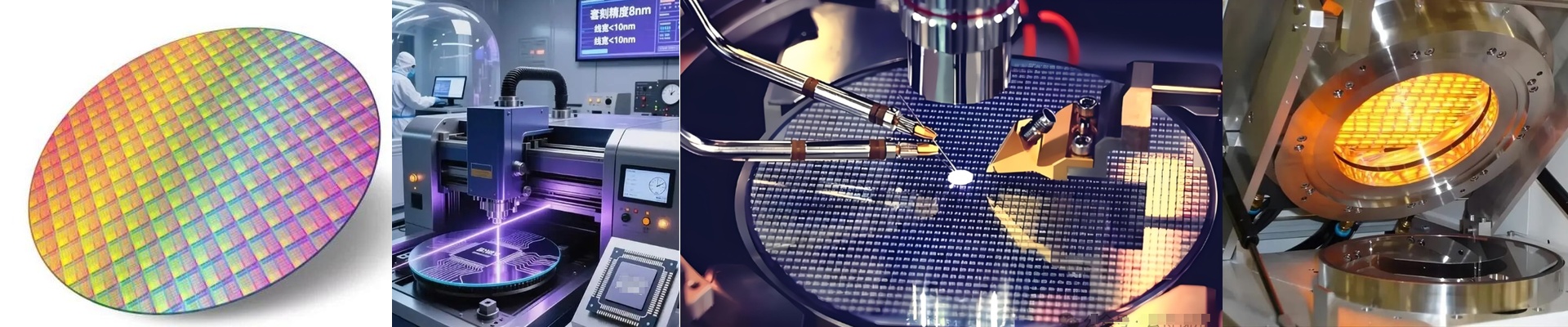
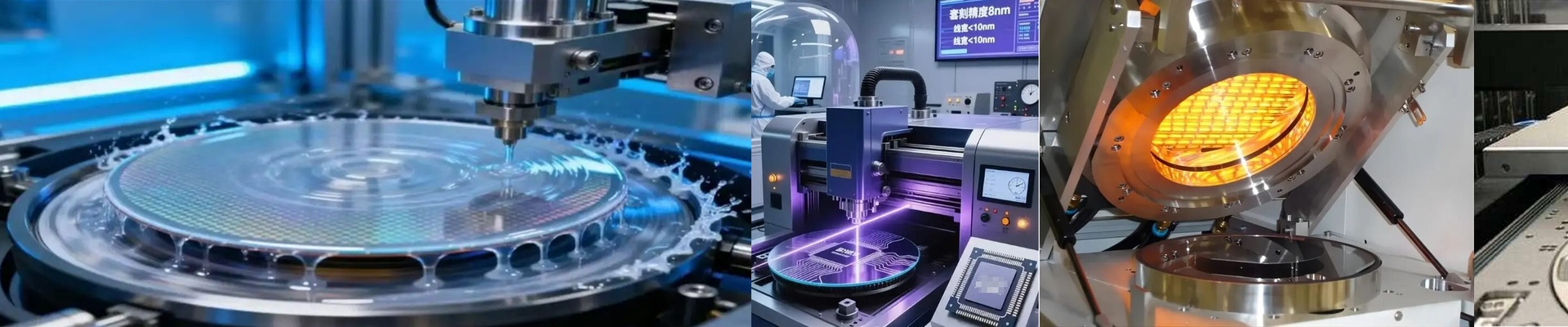
Here is the problem with most radiant heaters: they’re messy. They throw heat in every single direction. When you’re fabricating biosensors, you need that thermal energy hitting the substrate—and only the substrate. You don’t want it bleeding into the inner walls of a million-dollar piece of semiconductor gear. Because when that happens, the machine gets hot to the touch. That’s how you end up with warped hardware or a technician with a nasty burn. We fixed this by using directional infrared (IR) lamps. It’s all about the angle. Instead of that 360-degree glow that heats up everything in the room, we use reflectors and specific coatings to push the heat straight down. It’s like switching from a lightbulb that fills a room to a flashlight that hits a specific spot. The energy goes exactly where it belongs. The rest of your equipment stays cool because the “waste heat” isn’t wandering around looking for something to melt. Keeping the fab line safe When you actually put these lamps into your line, the difference is immediate. The ambient temperature inside the tool housing drops. You can touch the outer casing without worrying about it being a furnace. It just feels… controlled. But, there is a catch. Because the beam is so tight, you have to be spot-on with your alignment. If the lamp is even a tiny bit off-axis, you’ll get cold spots on your wafer. It’s frustrating. That’s why we obsess over the mounting brackets. They have to be rock-solid. If there’s any vibration or shifting, your heat profile goes out the window. At the end of the day, we’re just playing with physics. By narrowing the beam, you protect your investment and keep the shop floor safe. No more scorching your gear just to get the job done.