

Stopping the Clock: Why IR Curing Beats Hot Air in the Fab
Let’s talk about hot air circulation. It’s the old way of doing things. You heat the air, and then you hope that air heats your part. In a semiconductor setup, this is a nightmare. Air is basically an insulator—it just gets in the way. You end up waiting forever for things to warm up, and your ovens take up way too much floor space.
Why IR actually works
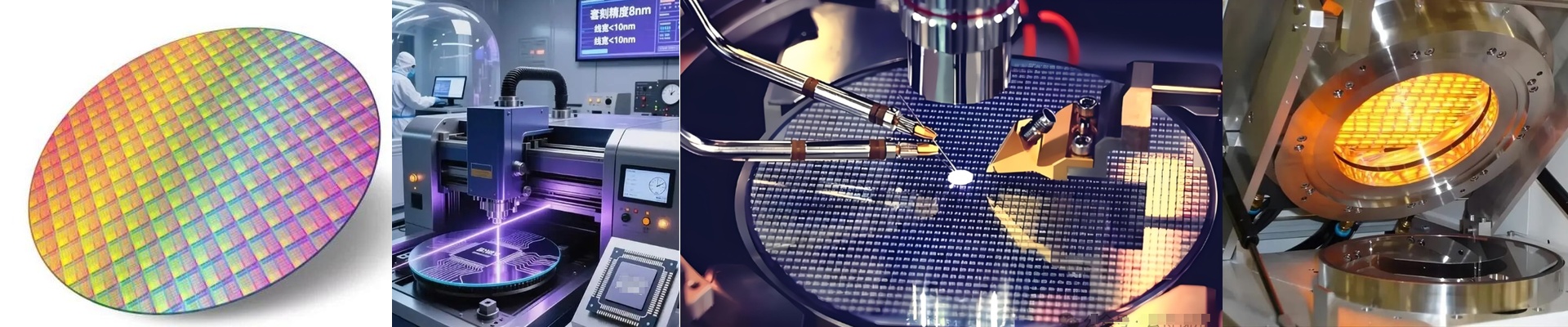
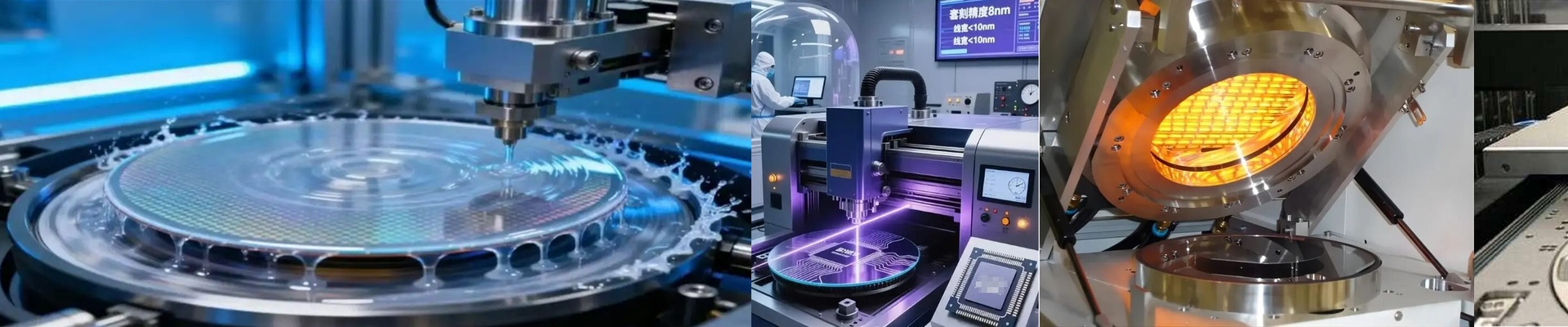
We use certified infrared (IR) lamps because they just skip the middleman. Instead of waiting for a fan to blow hot air around a room, IR sends electromagnetic radiation straight into the substrate. It’s instant. That changes the math on your “time cost” almost immediately. You aren’t staring at a timer waiting for the oven to reach temperature. Plus, the curing cycle itself shrinks because the energy actually digs into the material surface rather than just floating around it.
The reality of the switch
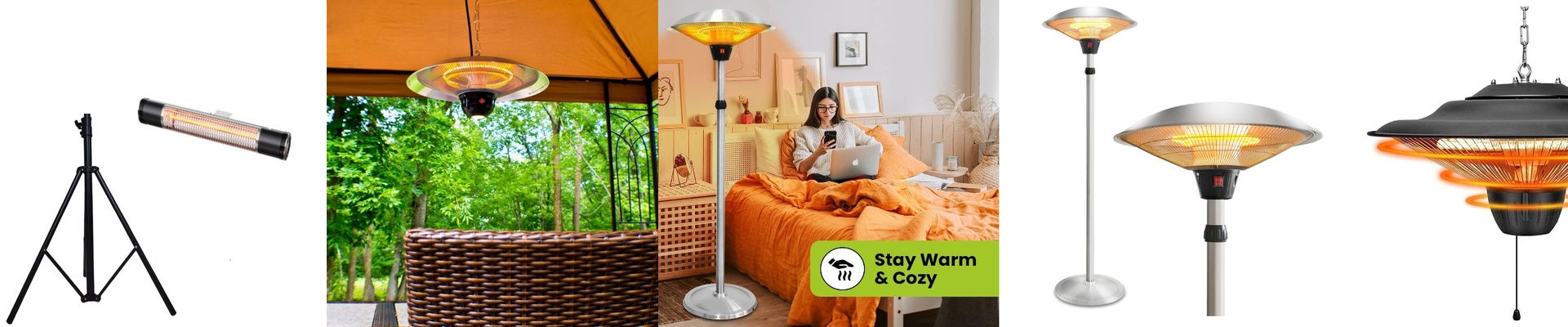
Now, I won’t tell you it’s a magic button. You’ve got to get your power supply right. IR lamps pack a lot of punch in a tiny space, which means they’re power-hungry. If you’re swapping out an old hot-air line, be ready to rewire your control panels to handle the voltage. Then there’s the “line-of-sight” problem. Hot air wraps around a part like a blanket, but IR is more like a flashlight—if the lamp can’t see it, it won’t heat it. We fix this with mirrored reflectors or by grouping lamps in arrays. You have to hit the wafer from every angle, or you’ll end up with cold spots that ruin your batch.
Getting things moving
At the end of the day, fab managers just want more parts out the door. When you ditch convection for IR, you can usually shorten your curing tunnels or crank up the belt speed. You get the same quality, just way faster. It turns the curing stage from that annoying bottleneck into a high-speed pass-through. It’s a huge relief for the workflow.