
Keeping it Clean: The Reality of Heating Hydrogen Sensors
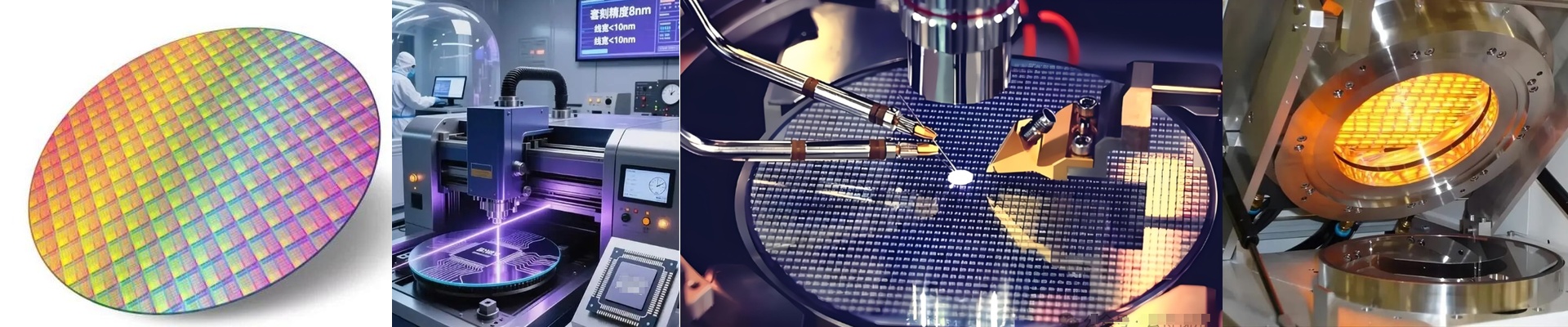
When you’re making hydrogen sensors, one tiny speck of dust isn’t just a nuisance—it’s a disaster. It can wipe out an entire batch in seconds. So, when we build heaters for this kind of work, we aren’t just thinking about temperature. We’re obsessed with stopping “outgassing” and keeping particles from shedding into your workspace.
Why we stick with high-purity quartz
Most glass or cheap quartz starts acting up when things get hot. They release volatile organic compounds (VOCs) or, worse, shed microscopic shards. That’s a nightmare for a Class 100 environment. That’s why we use high-purity synthetic quartz. It stays stable. We also rely on shortwave infrared radiation. The beauty of this is that the heat goes straight into the sensor substrate. It doesn’t waste time heating up the air or the machine frame. Since the surrounding area stays cool, you aren’t accidentally stirring up dust from the floor or the equipment. It keeps the air still and clean.
Designing for zero mess
We stripped everything away that doesn’t belong. No adhesives. No plastics. No organic coatings that might burn off and contaminate your air. We even use gold-plated or high-grade alloy contacts because oxidation at the terminals is just another way for gunk to enter the system. And we make sure everything fits tight. If a lamp wobbles or vibrates during a curing cycle, it creates friction dust. We don’t let that happen. The housing locks the tube in place, period.
The trade-offs (The “Watch Out” part)
Here is the catch: high-purity quartz is brittle. You can’t just grab these tubes with your bare hands. The oils from your skin leave deposits that create “hot spots.” Those spots are killers—they’ll either pop the tube or overheat your sensor in one specific spot.**Use lint-free gloves. Use isopropyl alcohol.**No exceptions. One more thing—these aren’t your typical industrial lamps. If your power supply has voltage spikes, they’ll burn out fast. Make sure your PID controllers are tuned right so you don’t overshoot the temperature. It takes a bit more care, but that’s the price of perfection.