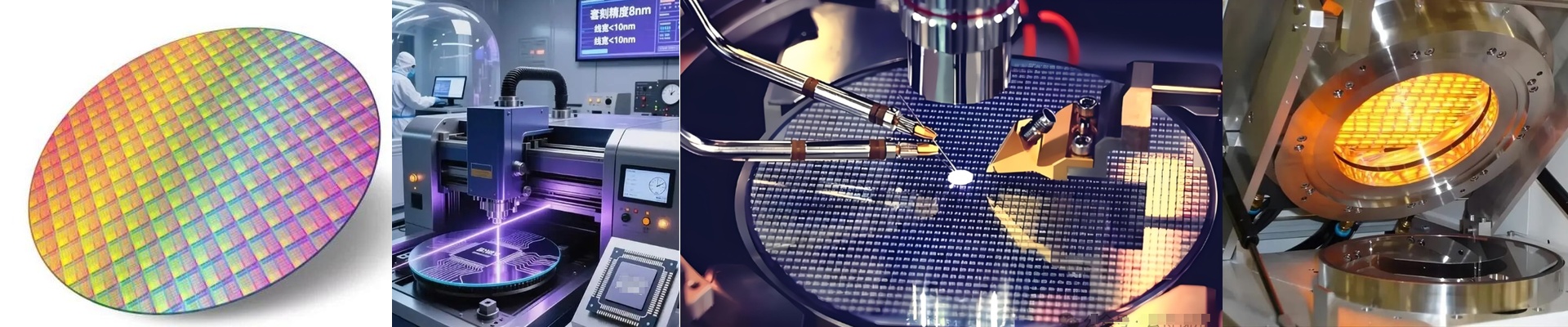
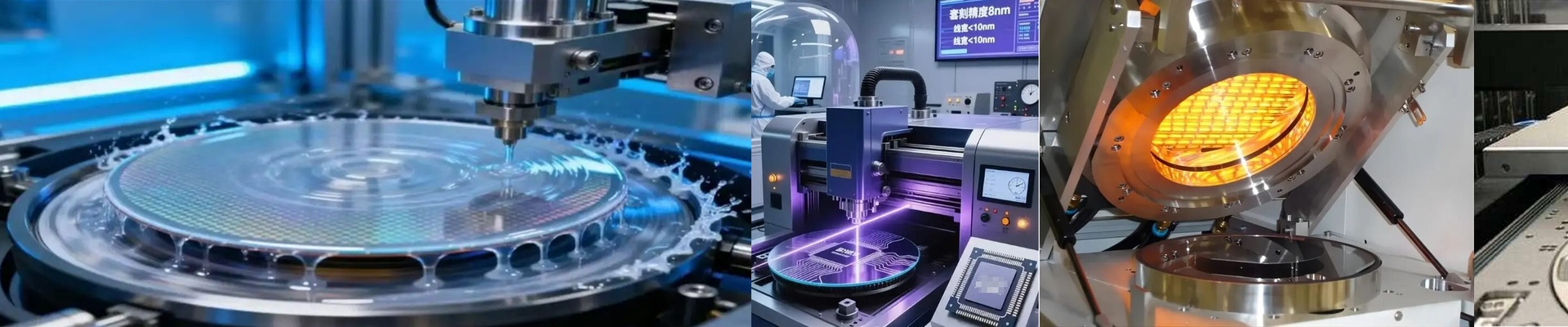

On the fab floor, thermal drift in the photoresist bake or leftover moisture after cleaning isn’t just a throughput killer. It moves critical dimensions and eats into yield. We built these semiconductor infrared heating lamps to keep thermal control where it needs to be: inside the spec, cycle after cycle. What matters under the hood We run short-wave infrared emitters with fast-response quartz elements. The result is rapid, directional heating and temperature recovery in sub-seconds. Wafer-level uniformity hits ±0.1°C, and repeatability stays tight across lots. The design is cleanroom-compatible from Class 1 to Class 100, with zero particle generation and low outgassing. Output stays stable over 5,000+ hours, with less than 5% intensity drift. Closed-loop control keeps your thermal budget honest, and the compact footprint makes it easy to retrofit or spec into new tools. Why it holds up in real work In wafer drying, the focused heat breaks surface tension fast, cutting carryover and giving you dry-to-process times that keep throughput high. In lithography, the lamp delivers the repeatable temperature profile you need for consistent soft bake and hard bake, so CD control and profile integrity don’t get compromised. In packaging, it speeds encapsulant and underfill cure without overshoot, shortening oven residence time and lowering energy use. In cleaning and drying, it finishes the rinse clean—no marks, no residues. The payoff is fewer excursions, stable SPC, and uptime you can plan around. Here’s what to keep in mind These lamps need clean power and accurate temperature sensing to perform the way they should. Match the emitter spectrum and power density to your material stack and tool geometry. Expect a short warm-up to reach setpoint stability, and plan the integration around beam path clearance and thermal isolation. Get the alignment and calibration right, and you’ll see repeatable results with minimal maintenance.