


Cutting Carbon in the Semi-Fab: The Ozone Problem
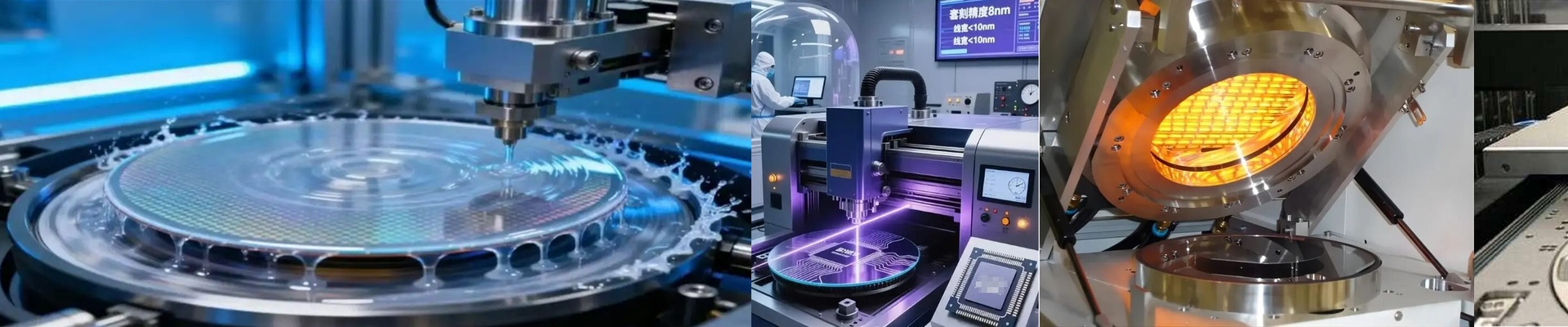
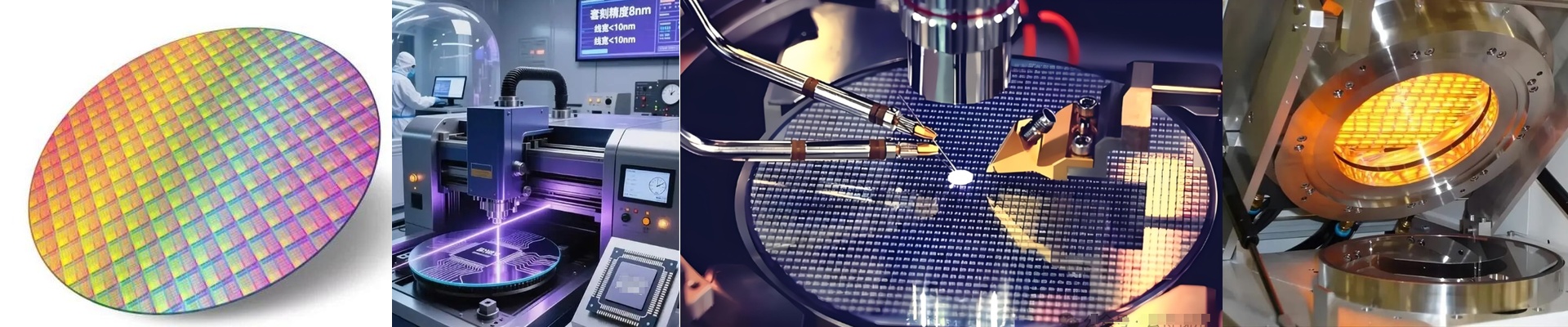
If you’ve spent any time in a semiconductor fab, you know how obsessive we have to be about thermal profiles. But there’s a hidden headache with standard shortwave IR lamps. They tend to leak wavelengths below 200nm, and that’s where the trouble starts. That light triggers ozone production right in the air. It’s a nuisance, sure, but the real killer is the energy bill. Your HVAC systems have to work overtime, scrubbing the air and cranking the ventilation just to keep things safe. It’s a massive waste of power. The fix? Stop making the ozone in the first place. We do this by using specialized quartz envelopes or internal coatings that act as a shield. They block out that 185nm wavelength—the specific part of the spectrum that splits oxygen molecules. You still get all the heat density you need, but without the chemical byproduct. Suddenly, your air handling units aren’t fighting a losing battle, and your energy draw drops. Now, let’s talk performance. These lamps ramp up fast. Really fast. Which is exactly what you want when you’re baking or curing wafers. Since the energy is concentrated in the infrared band, the heat goes straight into the substrate where it belongs. But a word of caution: keep an eye on your power density. High-wattage ozone-free tubes pack a punch. If your chassis isn’t built to handle that kind of concentrated heat, you’re going to burn through filaments way too quickly. I’d strongly suggest pairing these with precise PID controllers. It keeps you from overshooting your target temp and saves your hardware from a meltdown. The best part is how this hits your green metrics. It’s a double win. First, direct heating is just way more efficient than those old-school convection ovens. Plus, since you aren’t filling the room with ozone, you can stop running those high-volume exhaust cycles. Think of it as a simple swap. You wire it into your current power supply and you’re done. No need to rip out your entire production line or redesign your workflow. You just stop paying the “energy tax” of an oversized ventilation system. It’s a practical way to get closer to carbon neutrality without the usual corporate headache.