

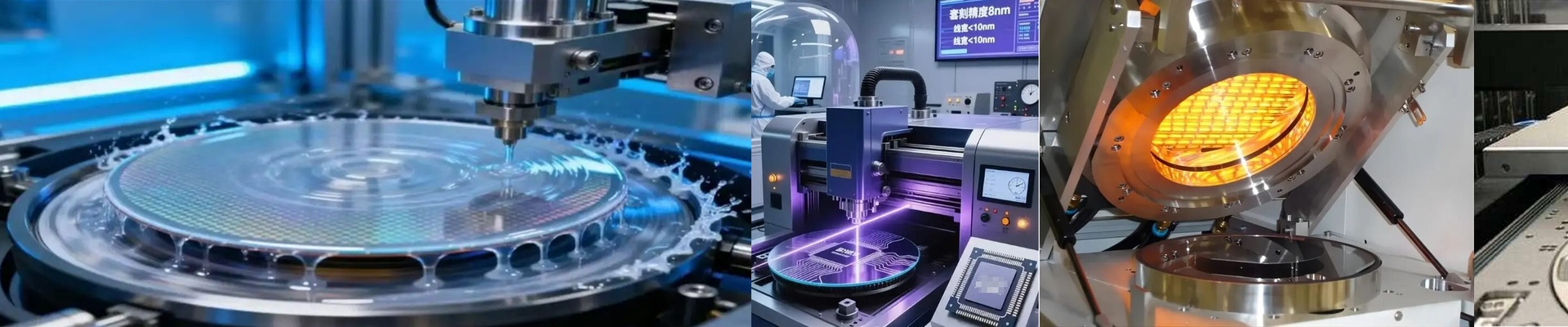
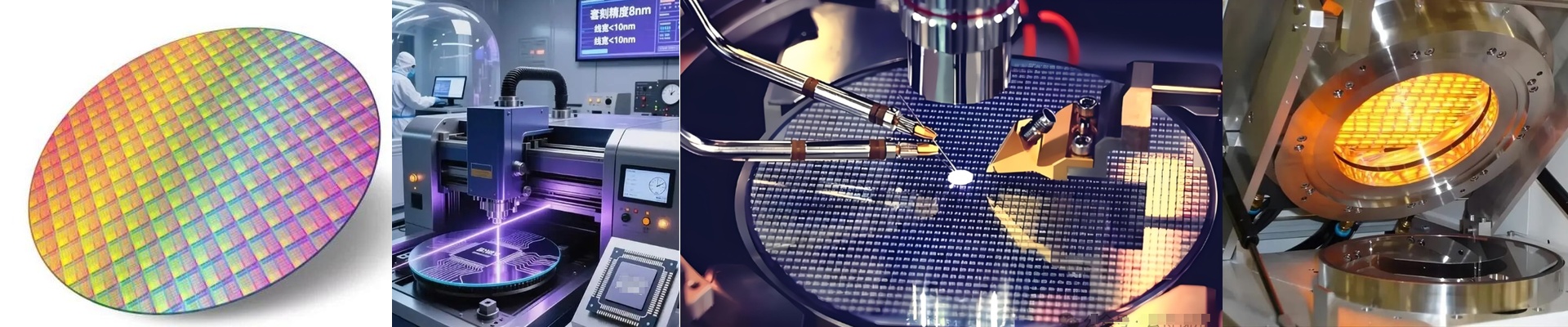

If you’re running a Class 100 cleanroom, you already know the drill: one tiny speck of dust and your whole batch is trash. Most heating elements are a nightmare in these settings because they flake or release gases right when you need them to be stable. That’s why we stick with high-purity synthetic quartz for our infrared lamps. They’re built specifically for those rinse and drying stages where “clean” isn’t just a goal—it’s the whole point. The secret is in the glass. We use fused silica with a high OH content. In plain English? It stops the tube from breaking down or getting “frosty” after being heated and cooled a thousand times. When a tube becomes porous, it starts acting like a sponge for contaminants. Then, it eventually spits those micro-particles right onto your production line. By keeping the surface smooth and chemically inert, we make sure the heating process doesn’t accidentally mess up your rinse cycle. Dealing with water and heat. Since these lamps live in rinse zones, we’ve put specialized waterproof seals on the ends. We skipped the cheap glues—those things smell and off-gas the second they get hot. Instead, we use high-temp gaskets that actually keep the moisture away from the electrical contacts. Just a heads-up: these tubes pack a serious punch. Because shortwave quartz ramps up heat so fast, you can get localized hotspots if your parts aren’t moving at a steady clip. You’ll want to double-check your conveyor timing so you don’t accidentally scorch your substrate. Making it work in the real world. We designed these to be “drop-in” replacements. No one wants to spend half a shift fiddling with hardware during downtime. We also tightened the connectors to handle vibration, which saves you from those annoying arc-faults that usually happen during industrial wash-downs. One last tip if you’re wiring these into a high-voltage array: keep an eye on your PID controllers. Quartz reacts fast. If your controllers are too sluggish, the lamps will overshoot the target temperature, and you’ll burn through your filaments way faster than you should.