
Keeping Your Birds Warm Without the Headache
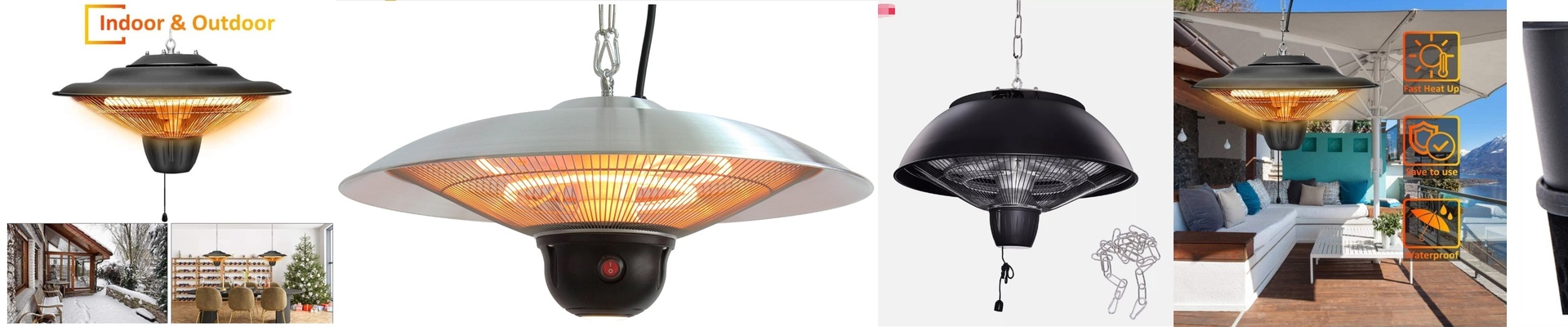
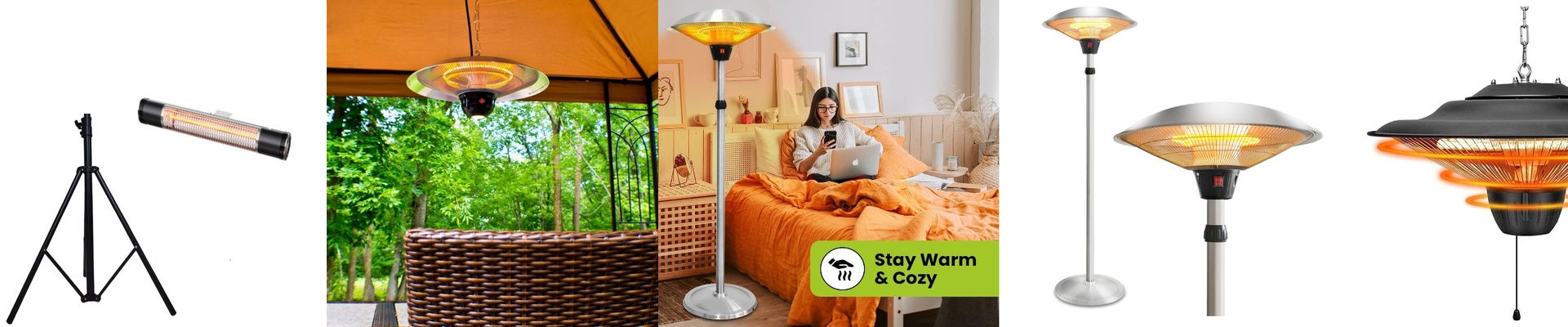
Trying to keep a chicken coop warm during a deep freeze is a battle. It’s not just about plugging in a heater; it’s about finding something that won’t blow a fuse or start a fire when things get dusty and damp. That’s why we lean on shortwave infrared. Instead of trying to heat up every cubic inch of freezing air in the building, this tech sends heat straight to the birds. It’s a lot more efficient. Heat that actually hits Most heaters just push warm air around, which takes forever. Infrared is different. It uses electromagnetic waves that warm things up the second they touch. It’s fast. Really fast. You get a temperature spike in the target area almost instantly, so you aren’t sitting around waiting for an oil-filled radiator to finally wake up. Built for the mess Let’s be honest: coops are gross. Between the breath, the waste, and the general humidity, it’s a nightmare for electronics. To stop the gear from corroding or shorting out, we use sealed quartz envelopes and waterproof junctions. We also use reinforced glass. Why? Because birds are curious, and debris flies. The equipment needs to be able to take a beating without shattering. Getting the setup right Installing these is pretty simple, but the height is where people usually mess up. If you hang the lamps too low, you’re going to scorch your birds. Too high, and the heat just vanishes before it ever reaches the floor. You have to find that sweet spot based on your ceiling height and how much air is moving through the coop. Plus, keep an eye on your ventilation. If you’ve got a massive draft, it’ll strip the heat away faster than the lamp can put it back. We usually suggest a zoned layout. That way, you don’t end up with freezing cold corners where the birds huddle together.