


Getting the Most Out of Your IR Energy in Sensor Packaging
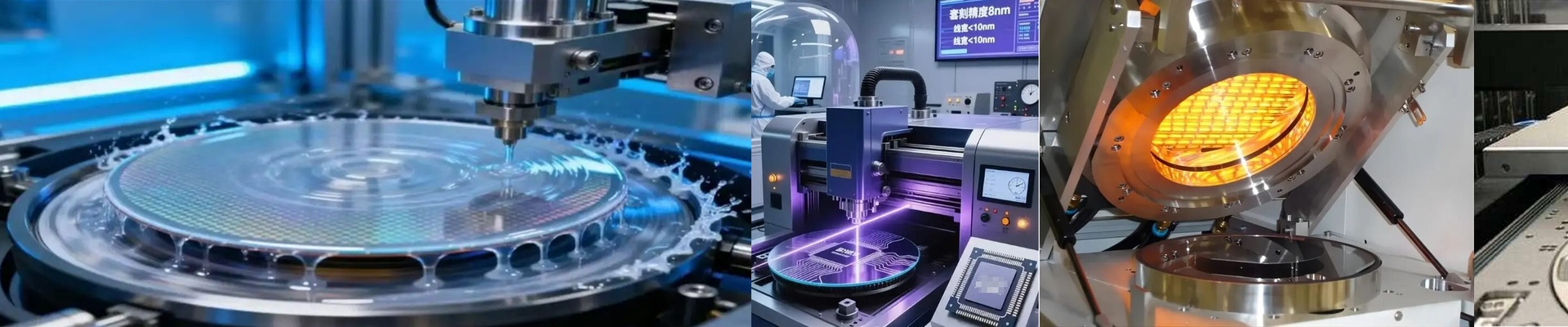
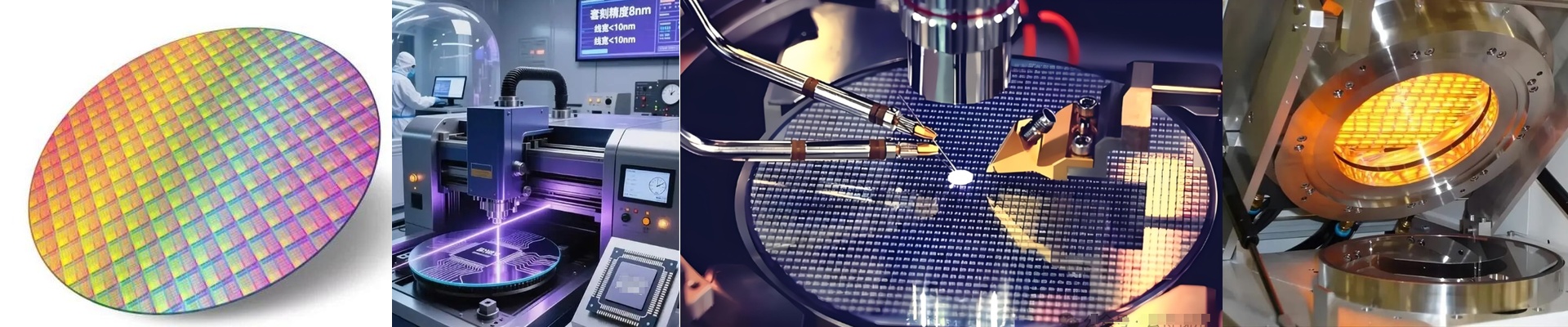
When you’re packaging smart sensors, every watt counts. There’s nothing more frustrating than watching energy bleed out into the chamber walls when it should be hitting the silicon. The trick is to get that thermal energy exactly where it needs to go. That’s why we lean on gold-coated infrared (IR) reflectors. Why go with gold? Most people start with aluminum, but here’s the problem: it absorbs too much. You’re losing power before it even reaches the wafer. Gold is different. It’s incredibly efficient at bouncing IR radiation. Instead of the energy just soaking into the housing or scattering randomly, the gold coating pushes those photons right back into the target zone. It basically acts like a mirror for heat, focusing everything on the wafer. The speed boost (and the risk) Because you’re concentrating the radiation, you get a much higher heat flux. It’s fast. Really fast. And that means your cycle times drop, which keeps the whole packaging line moving. But you have to be careful. Since the energy is so focused, your alignment has to be spot on. If your lamp is off by just a few millimeters, you’ll end up with hot spots that can ruin a batch. I always suggest using precise jigging to make sure that focal point hits the wafer dead-center every single time. The catch Gold is great, but it’s not invincible. If your process involves corrosive gases or a lot of outgassing from the packaging, that gold layer can get dirty. Once a film of residue or oxidation builds up, your reflectivity tanks. You’ll notice it pretty quickly—your wafers won’t hit the right temperature, even though your lamps are pulling the same amount of current. To avoid that headache, keep your chamber spotless. Or, better yet, throw in a protective quartz shield to keep those reflectors pristine. It saves a lot of scrubbing and downtime in the long run.