
Let’s Talk About Bathroom Heat
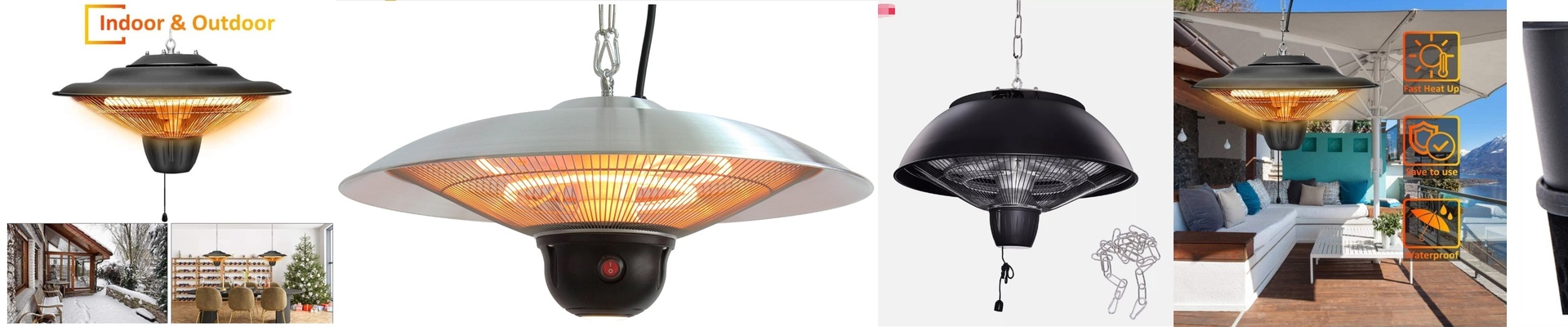
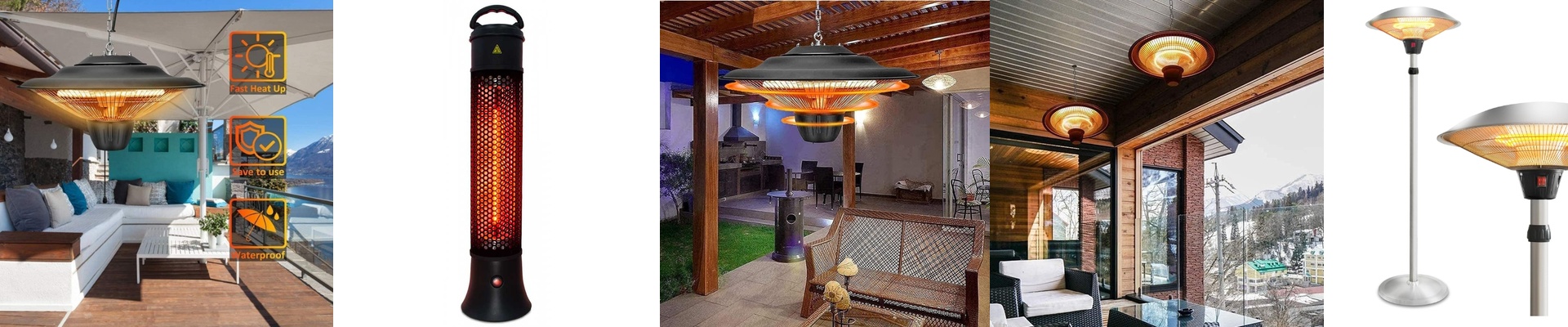
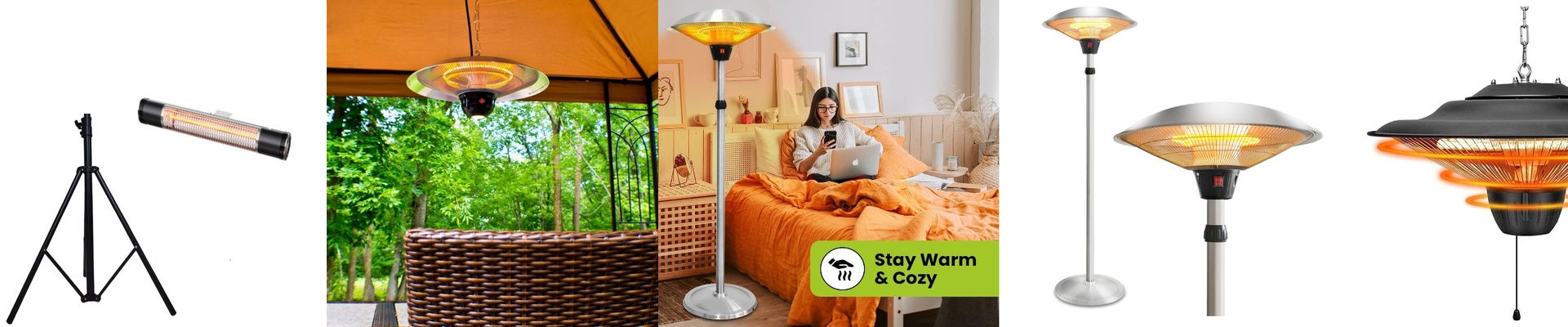
Ever notice how those old-school bathroom heat lamps always seem to give up right when you need them? Most of them aren’t actually built for the one thing bathrooms have in spades: steam. When you’re taking a hot shower, that vapor is sneaking into every little gap in your heater. Eventually, it hits the wiring, something shorts out, and—pop—your circuit breaker trips. It’s a pain, and it’s usually because the gear just wasn’t made for a wet environment. The secret is in the seal. That’s why we focus so much on the IP rating. Now, that sounds like technical jargon, but all it really means is that the unit is tight. We use heavy-duty gaskets and sealed casings so the moisture stays on the outside and the electricity stays on the inside. No more worrying about a mist-filled room killing your heater. Why infrared is just… better. Most heaters try to warm up the air. But here’s the thing: bathroom air cools down the second you open the door. It’s a losing battle. Infrared is different. Instead of fighting the air, it sends out waves that warm you and the surfaces around you directly. You feel that cozy warmth the second you flip the switch. Plus, because it works so fast, you don’t have to leave it running forever, which is a win for your electric bill. A quick tip on where to put them. We usually suggest mounting these in the ceiling to get the best spread of heat. Just a heads-up, though: these things pack a punch. If you mount a high-wattage unit too low, it can feel a bit too intense—like standing too close to a campfire. You’ll want to check the wattage and give yourself some breathing room so you get a gentle glow rather than a “hot spot” on your head. At the end of the day, it’s about stoping the cycle of replacing burnt-out bulbs every couple of years. Better waterproofing and smarter heat just make life easier.