
Why Your Bathroom Mirror Needs Explosion-Proof Quartz
Bathrooms are basically a nightmare for electronics. You’ve got steam everywhere, wild temperature swings, and water splashing just about every surface. Most heating elements just can’t hack it in there. That’s why we use explosion-proof quartz glass for our mirror heaters and lamps.
The “Cold Drop” Problem
Here is the thing about standard quartz: it’s temperamental. Imagine a tube running at 600°C. Now imagine a single, cold drop of water hitting it. Crack. That’s called thermal shock, and it’s a huge safety risk. We use a specialized version of quartz that can handle those sudden temperature jumps without freakng out. But we also add a safety layer. If the filament burns out or the glass somehow does crack, the explosion-proof coating keeps the shards from flying across your shower. It stays put. It’s just safer.
How the Heat Actually Works
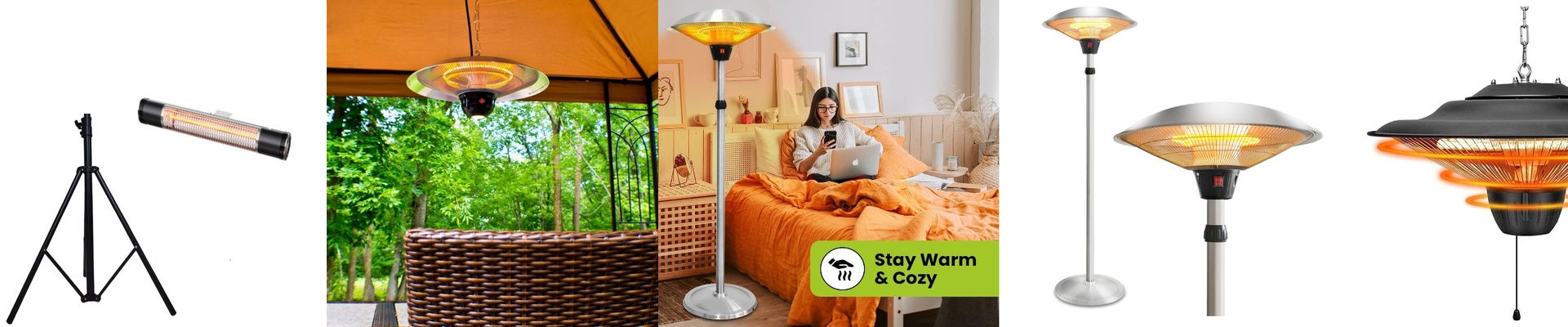
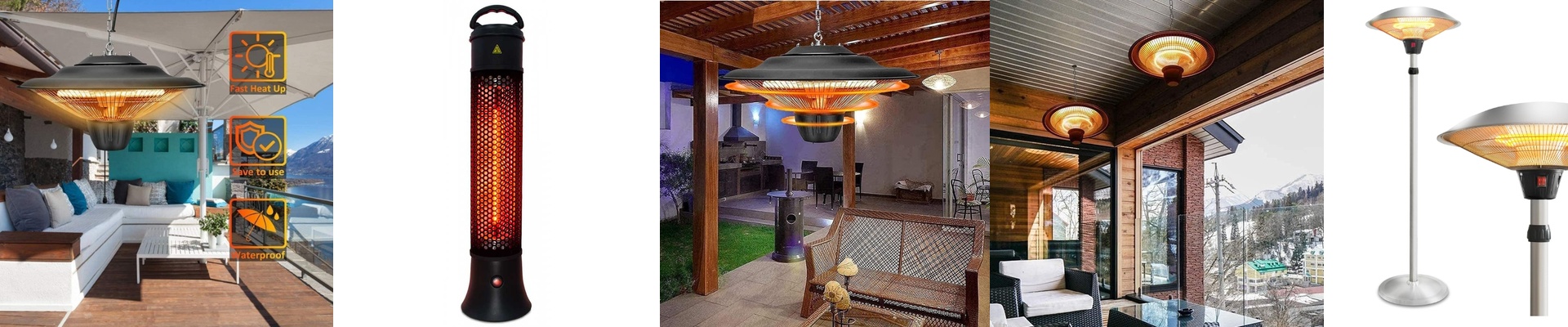
These lamps don’t bother trying to warm up the air in the room—that takes forever. Instead, they use short-wave infrared radiation. Think of it like the sun. The heat goes straight to the mirror or your skin. It’s fast. Really fast. Because the heat is so concentrated, we can keep the hardware small without losing any power. But there’s a catch. Because it gets so hot so quickly, the housing has to be built for it. If you use cheap plastic mounts or low-grade materials, they’ll melt, or you’ll end up ruining the silver backing on your mirror.
Getting it Right During Install
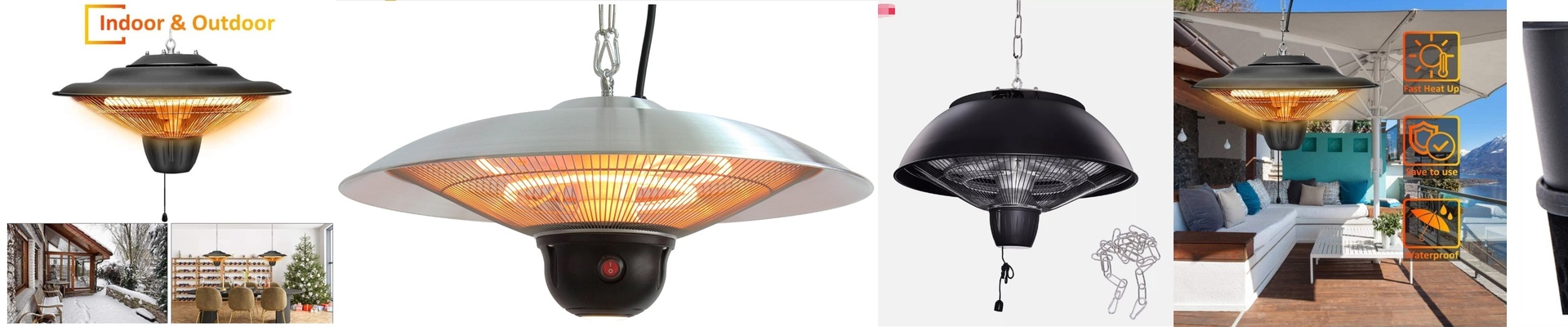
Putting these into a bathroom circuit isn’t something to wing. The quartz tube does the heavy lifting, but the actual safety comes down to the seal. You need the right IP rating to keep the moisture out of the wiring. Then there’s the balancing act with wattage. Sure, a higher-watt tube clears the fog off your mirror in seconds. But if you go too high, you might put too much stress on the mirror glass itself. We usually suggest adding a thermal cutoff switch. That way, the unit knows when to quit before it gets too hot for comfort.