



Keeping Your Outdoor Heaters Alive in the Rain and Humidity
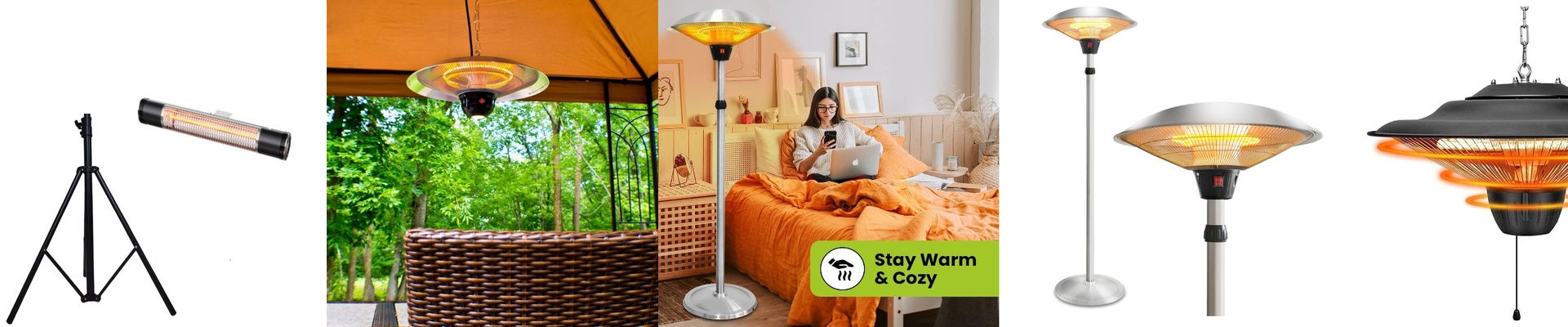
If you’ve ever run outdoor heaters, you know the two things that absolutely wreck them: moisture and condensation. It’s a nightmare. Water vapor sneaks into the electrical housing or hits a heating element at the wrong time, and suddenly you’ve got a short circuit or a burnt-out filament. That’s exactly why we build our units with an IP66 rating. What does that actually mean for you? Basically, it means the enclosure is tight enough to keep out dust and can handle a direct blast from a powerful water jet. We use heavy-duty gaskets and sealed cable entries to make sure nothing gets inside. But it’s not just about the rain. When the temperature swings wildly outside, you get condensation building up inside the chassis. To stop that, we designed specific venting paths and anti-fogging layouts. It keeps the moisture from pooling around the electrical terminals, which is usually where things go sideways. The guts of the machine We don’t cut corners on materials. We use high-grade quartz glass and housings that won’t pit or rust, even if you’re dealing with salty sea air or heavy humidity. Even the internal wiring is built for the long haul—it’s designed to handle constant heating and cooling cycles without the insulation cracking. The result? A heater that can take a beating from the weather and still put out the same amount of heat. One thing to keep in mind, though. Because the IP66 housing is so tightly sealed, it traps more heat inside than a cheap, open-frame unit. Just make sure your mounting bracket leaves a bit of breathing room around the chassis. It needs that airflow so the internals don’t overheat during a long night of use. Setting it up These are designed to be drop-in replacements for your existing outdoor arrays. By sealing off the optics and electronics, we’ve managed to make the lamps last a lot longer. It’s a huge relief. You spend way less time climbing ladders to swap out dead tubes and more time actually running your business. Just wire it up to a properly rated GFCI circuit, and you’re good to go.