
Stop Your Infrared Heaters From Blowing Up
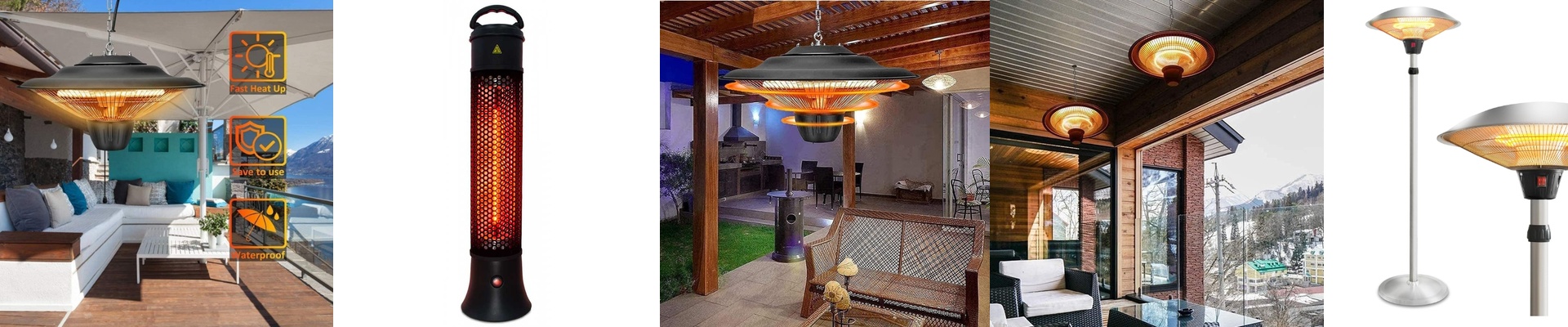
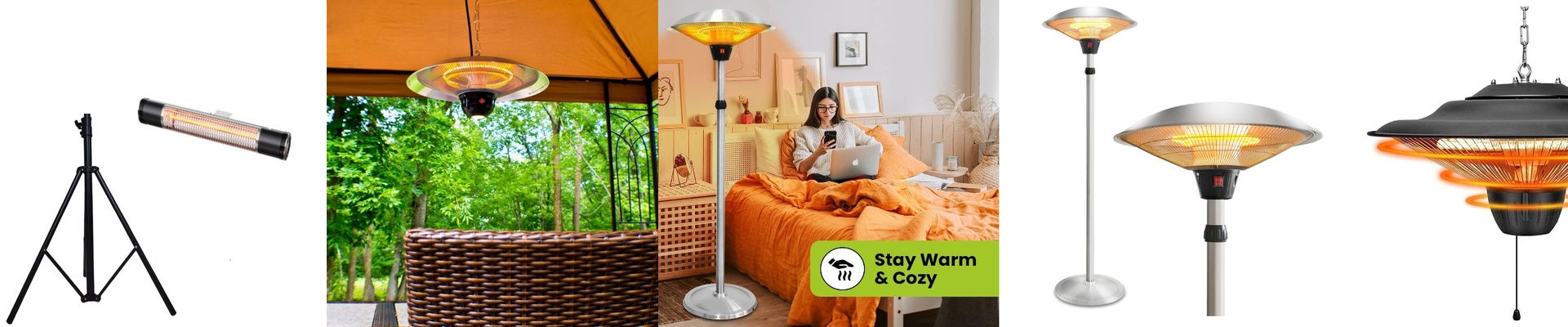
If you’ve ever put an infrared heater in a place that gets damp—think bathrooms or livestock barns—you know the nightmare. You’re fighting a losing battle against humidity and electrical shorts. The worst part? One single cold drop of water hitting a scorching hot quartz tube, and boom. It shatters. It’s a mess and it’s dangerous. That’s exactly why we use explosion-proof quartz glass. Why the “explosion-proof” stuff actually works Here is the deal with standard quartz: it doesn’t handle sudden temperature swings well. When one spot gets cooled down instantly by a water droplet while the rest of the tube is white-hot, the glass stresses out and bursts. We fixed that by changing the quartz mix and adding a special coating. This layer helps spread the heat across the surface more evenly, so you don’t get those crazy temperature gaps between the inside filament and the outer shell. And if the glass does happen to crack? The internal reinforcement keeps it from flying apart into a million shards. It stays put. Don’t skimp on the wiring We use reinforced seals on these lamps to keep moisture away from the filament. Most of them use R7s or SK15 bases, but here is where people usually mess up: the sockets. If you’re running a 250W or 500W lamp, those contact points get incredibly hot. If you use cheap cables, they’ll melt or burn out in a month. Use high-temp wiring. It’s not worth the risk. The trade-off Now, nothing is perfect. That explosion-proof coating shifts the infrared spectrum a little bit. You won’t get quite the same raw, searing heat intensity you’d get from a clear, uncoated tube. You’re losing maybe 5-10% of that heat density, but in exchange, your lamp won’t blow up during a temperature spike. I’ll take that deal any day. Just remember to keep the air moving. Even with the toughened glass, the fixture itself needs to breathe so the plastic parts don’t warp from the heat. Oh, and for heaven’s sake, wire it into a GFCI breaker if you’re working in a wet zone. Safety first.