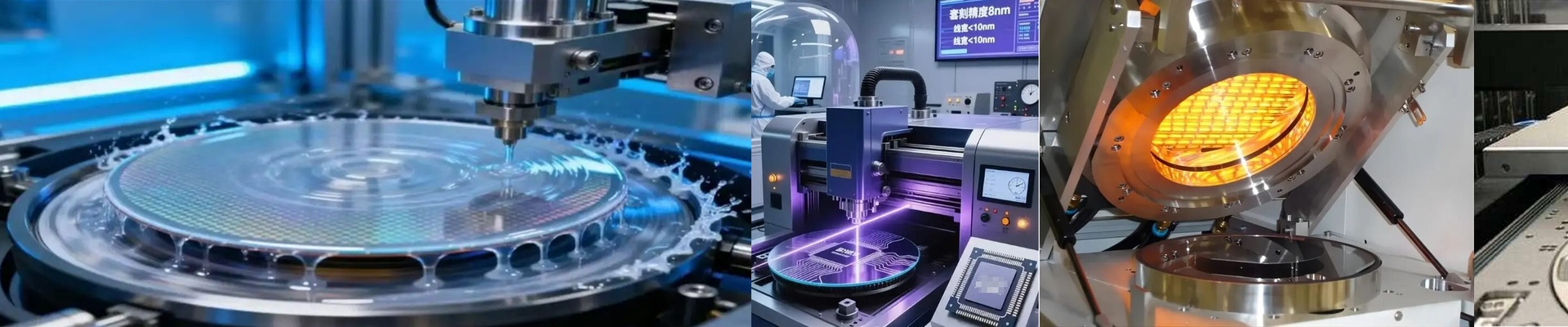

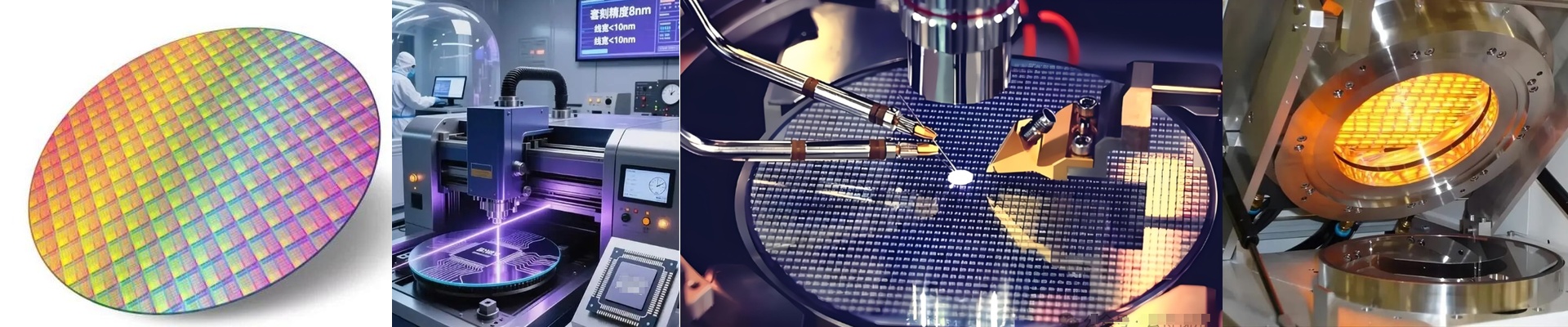

Why we’re switching to CNTs for infrared curing
The semiconductor world is finally cleaning up its act. We’re seeing a huge push to ditch those old solvent-based drying methods and get rid of lead-heavy processes. It’s about time. To keep up with these “green” mandates, we’ve been leaning on Carbon Nanotube (CNT) heaters. Instead of using those chunky resistive elements you’re used to, these use a network of nanotubes to turn electricity into radiant heat. There’s hardly any waste. It just works. The secret is in the heat. Here’s the thing about CNT radiant heating: it creates a thermal field that’s actually uniform. We use this for infrared (IR) curing because the heat doesn’t just sit on the surface—it sinks right into the substrate. If you’ve ever dealt with “skinning,” you know the nightmare. That’s when the top layer dries too fast, trapping solvents underneath and ruining the batch. With IR, that doesn’t happen. You get a consistent cure across the whole wafer, every single time. Better for the planet, better for the bill. Most old-school heaters rely on heavy metals or sketchy coatings to hit those high temperatures. CNTs? They’re just pure carbon. No toxic chemicals floating around when you ramp things up. And the speed is wild. We’re talking seconds to hit target temperatures, not minutes. Because they’re so fast, you can toss those massive, energy-hogging pre-heating chambers in the trash. Your electric bill will thank you. The “Gotchas” (Read this before installing) Now, look—you can’t just slide a CNT heater into an old oven and call it a day. It won’t work. Because these things heat up so incredibly fast, your temperature controllers need to be snappy. If your sampling rate is too slow or your PID tuning is off, you’ll overshoot your set point and burn your substrate. It happens. On the bright side, these heaters are lean. They don’t take up much space and they aren’t heavy. If your power supply can handle the specific voltage of the CNT film, they’re a great way to replace those bulky halogen arrays. It’s honestly the most practical way to hit zero-lead standards without slowing down your production line.