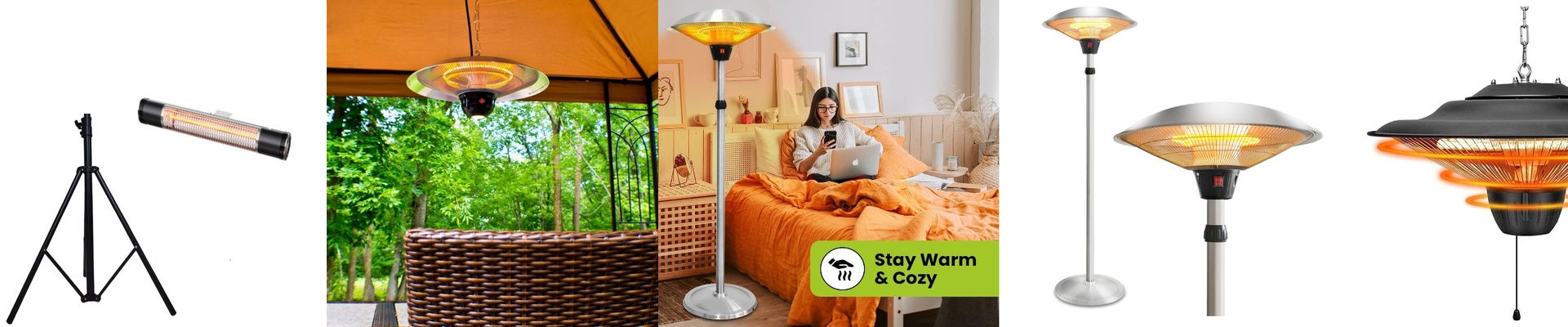

Stop Shivering in the Bathroom: How We Use Shortwave IR
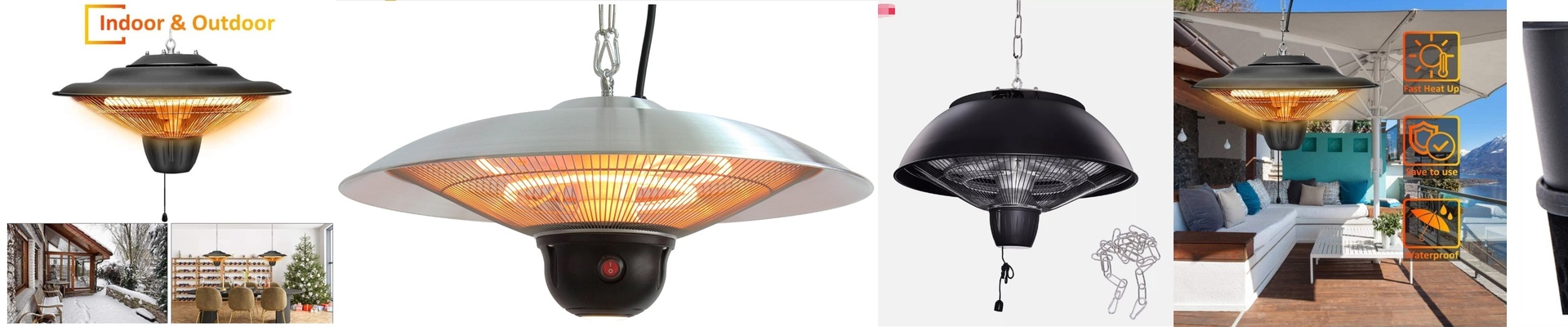
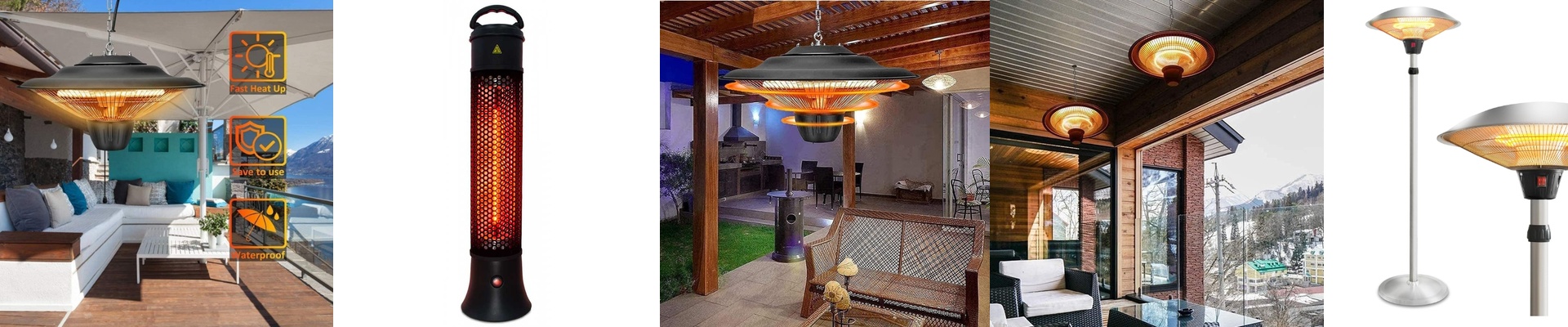
Nobody likes that bracing chill when you’re stepping out of the shower or trying to get dressed in a cold bathroom. And don’t even get me started on the foggy mirrors. To fix this, we don’t bother trying to heat up the air. That takes forever. Instead, we use shortwave infrared. Think of it like the sun. You don’t feel the air around you get hot when you step into a sunbeam; you feel the heat hitting your skin instantly. That’s exactly how this works. It skips the air and goes straight for the objects—and you. You feel the warmth in seconds. The secret is in the power To make a freezing dressing area feel cozy right away, we use lamps with a high power density. Because these waves are shorter, they punch through surfaces faster and deeper. We usually tuck these into mirror frames or mount them on the ceiling to get the best angle. The goal is simple: hit the target with enough energy to clear the fog off the glass and warm up your skin without needing a giant, clunky heater taking up half the room. The build quality We use high-purity quartz glass for the heaters. Why? Because these things click on and off constantly. Regular glass would just crack under that kind of thermal shock, but quartz handles it like a pro. Depending on where the heater is going and the safety rules for that specific bathroom zone, we wire them into either low-voltage transformers or direct AC lines. We also spend a lot of time tweaking the length and wattage so the heat spreads evenly across the mirror, rather than leaving you with one hot spot and three cold ones. The balancing act Here’s the catch: more power isn’t always better. If you cram too much wattage into a small mirror frame, you’re asking for trouble. You could melt the sealant or damage the mirror backing. It’s all about finding that sweet spot between the heat output and the size of the surface. To keep things safe and make the filaments last longer, we usually add a timed relay or a humidity sensor. That way, the lamp isn’t just blasting away 24/7. It kicks in when you actually need it, keeps the glass from overheating, and saves you a bit on the electric bill.