
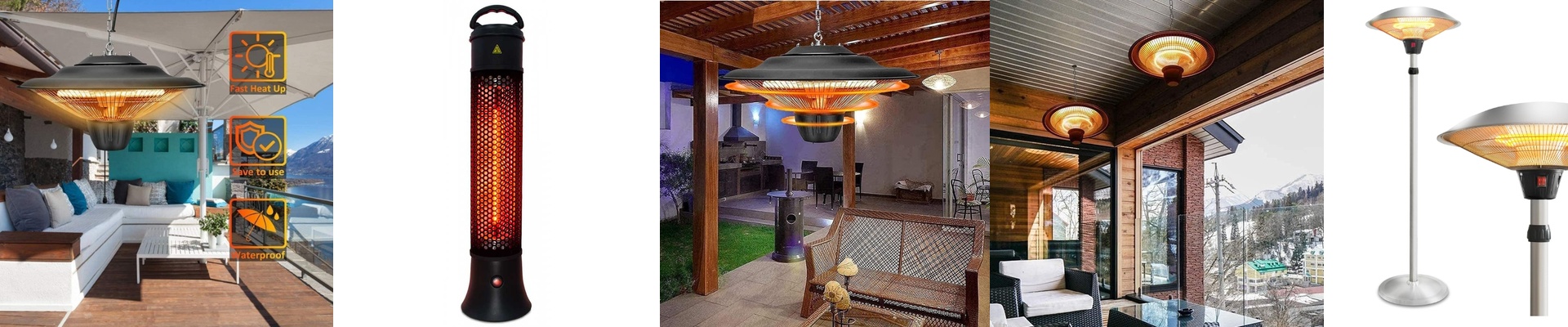
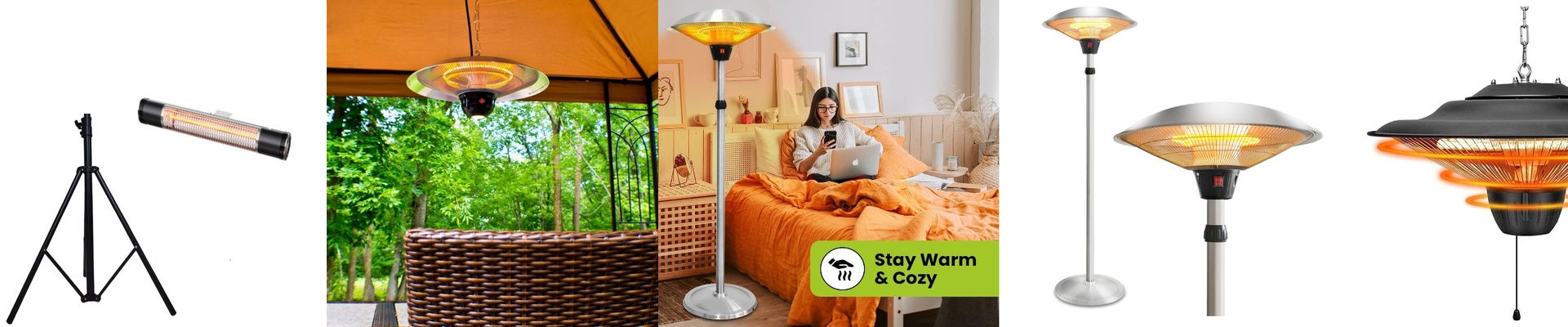

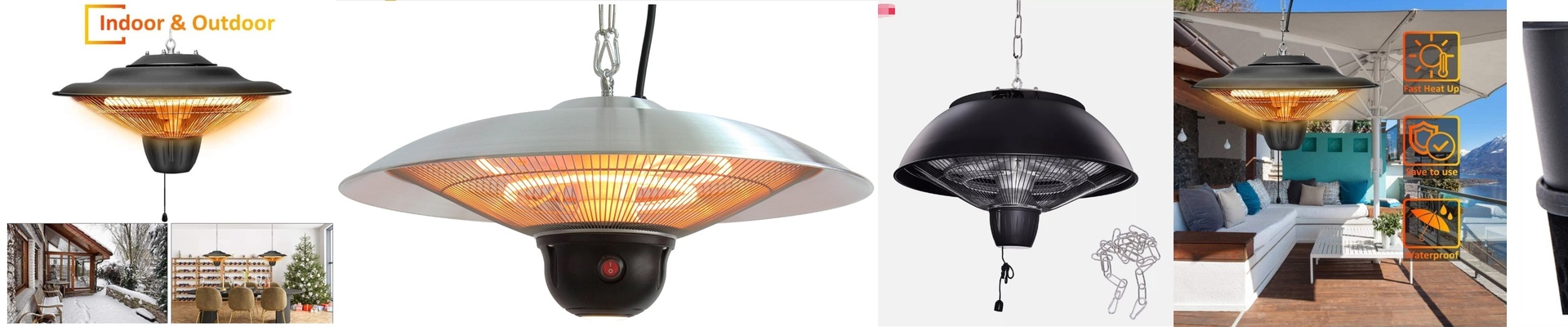

Step into the gazebo on a cool evening, and the warmth hits you right away—no waiting, no draft, just a steady glow that reaches you in seconds. That’s infrared warmth at work. It behaves more like the sun than a traditional heater, warming people and surfaces directly instead of chasing the air around them. You feel cozy while the air stays still. Here’s what’s happening under the hood. Infrared gazebo heaters use radiant heat, usually delivered through a quartz tube or a carbon fiber element. Power hits the element, it heats fast, and infrared energy travels in straight lines to warm whatever it lands on. Most are electric, running on standard household voltage, and built for outdoor use with an IP rating that keeps moisture and dust out. A built-in thermostat holds the temperature steady, and safety features—tip-over protection and protective grills—help keep things sensible. In practice, you get quick response, often within seconds, without fan noise, and you don’t have to heat the entire yard to feel comfortable. Gazebos are semi-enclosed, and air heaters can struggle because warm air slips right out the openings. Infrared shines here because it targets the people seated, the table, even the floor underfoot. You feel the warmth immediately, and it stays consistent as you move, talk, or lift a glass. That direct heating is efficient for the space you actually occupy, so evenings run longer without cold snaps breaking the mood. For hosts, that means fewer temperature swings and comfort that’s easier to predict. Placement matters. Mount the heater high enough to spread warmth across the seating area, but keep it clear of anything flammable and stick to the listed clearance distances. Make sure your gazebo’s structure can support the unit, and that you have access to a properly grounded outlet. Most infrared heaters are designed for dry, covered outdoor areas. They’re built to resist the elements, but they do their best work when sheltered from heavy rain. Pair the unit with a thermostat, and you get steadier comfort—plus one less thing to worry about.