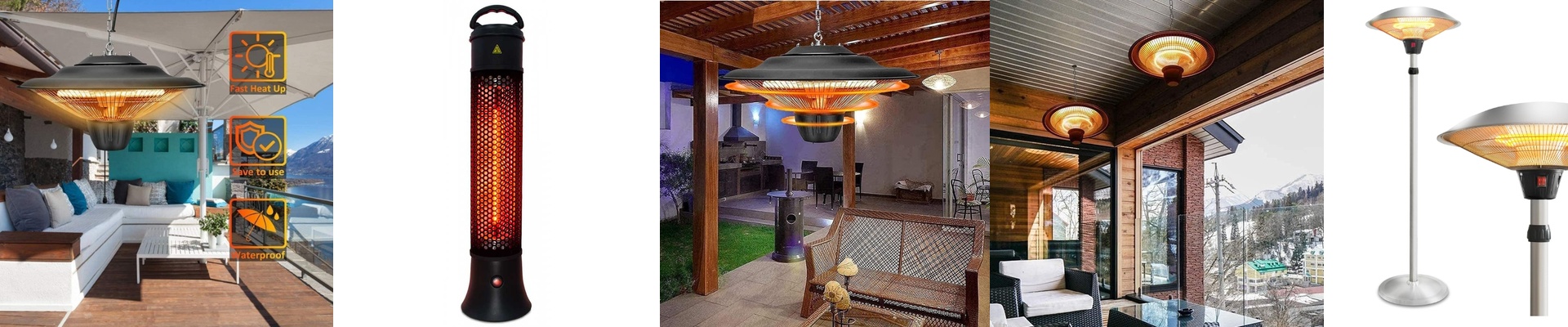

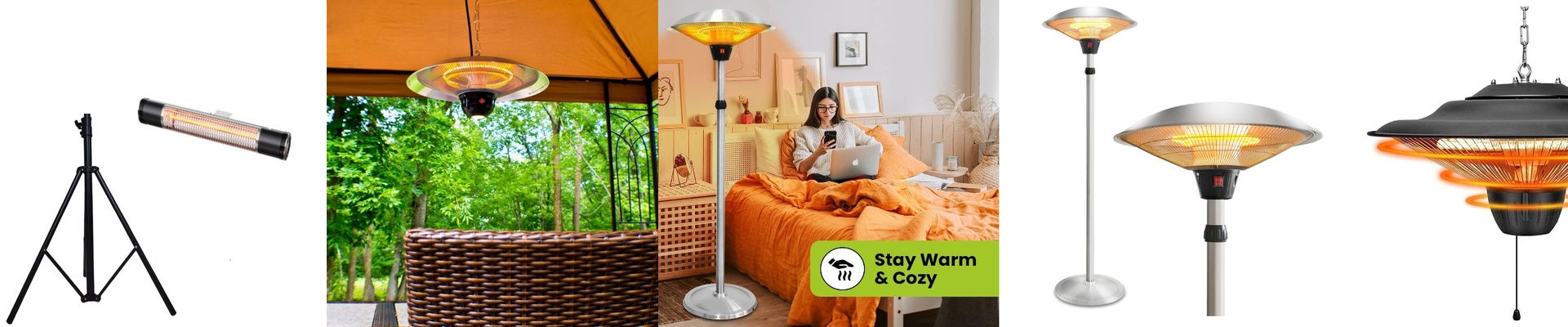

Steam coats the walls, the floor stays slick, and the air has a bite. Mirrors fog the moment you breathe, and towels feel cold before they feel dry. In a bathroom like that, adding heat isn’t a nice-to-have—it’s a practical fix. But comfort can’t come at the cost of electrical safety. That’s why we build infrared bathroom heaters around one simple idea: solid electrical reliability in wet conditions. What matters under the cover We use a quartz infrared element inside a fully enclosed, double-insulated housing. The heating core is electrically isolated from the outer shell, and every internal joint is sealed against moisture getting in. The unit runs on standard 120V or 230V circuits, depending on the region, and is designed for low current draw so it delivers focused warmth without spiking energy use. An integrated thermal cut-off and a tip-over switch add a second layer of protection. For wet zones, we specify IP ratings that actually mean something in a bathroom—keeping water out while the heat stays steady. Here’s why this works in a bathroom: infrared warmth is direct. It heats people, tiles, and towels first, instead of trying to warm the air and fighting steam. You feel the comfort almost immediately, and you don’t need to run the heater long to notice the difference. Because the system is sealed and insulated, performance stays stable even when humidity is high and surfaces are wet. Energy use stays sensible, too, since the heater targets the spaces you actually use—not the whole room that cools down fast. A few practical notes. For full safety, this unit must be installed by a qualified electrician on a dedicated circuit, with correct GFCI protection where local code requires it. It’s designed for indoor, high-humidity locations like bathrooms—not for outdoor exposure or direct water spray. Keep clear clearances around the unit for proper ventilation. When it’s installed as specified, it delivers dependable warmth in the places where damp air and cold surfaces make every minute feel longer.