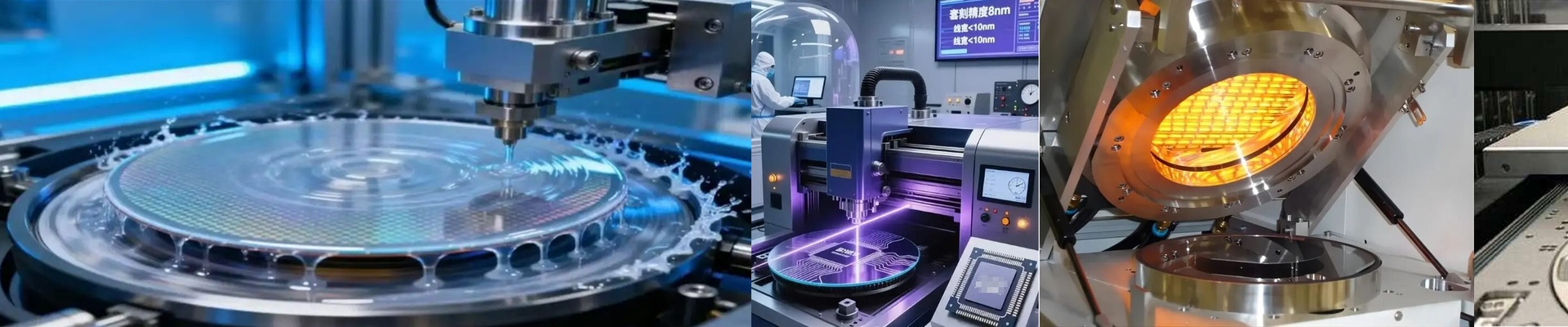

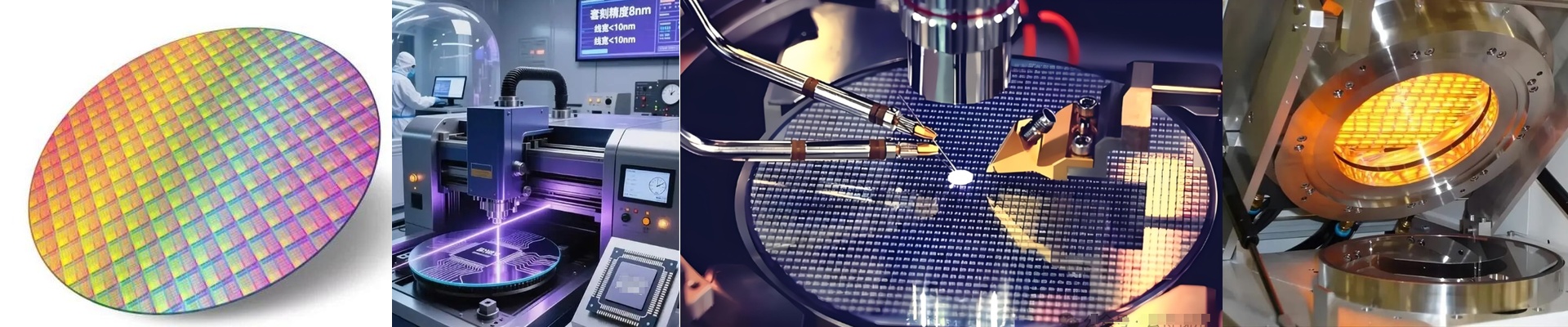
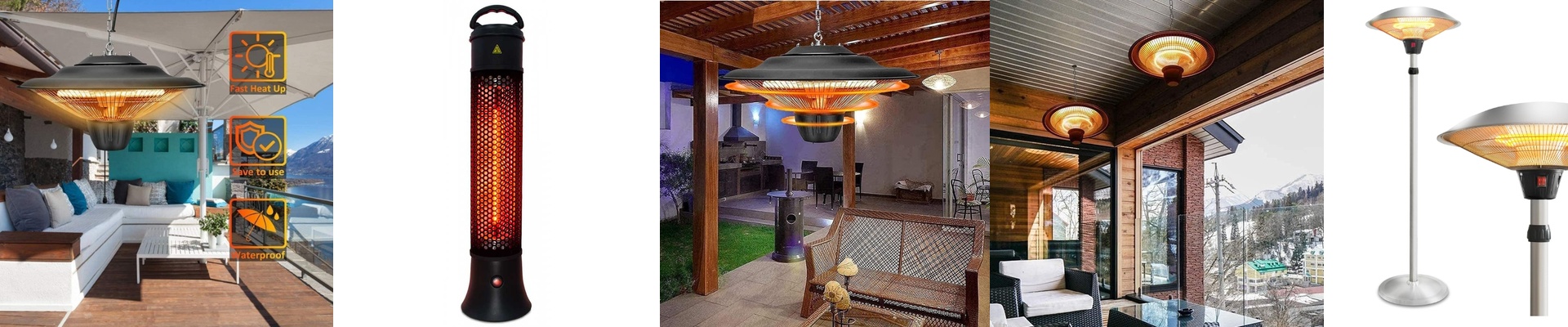
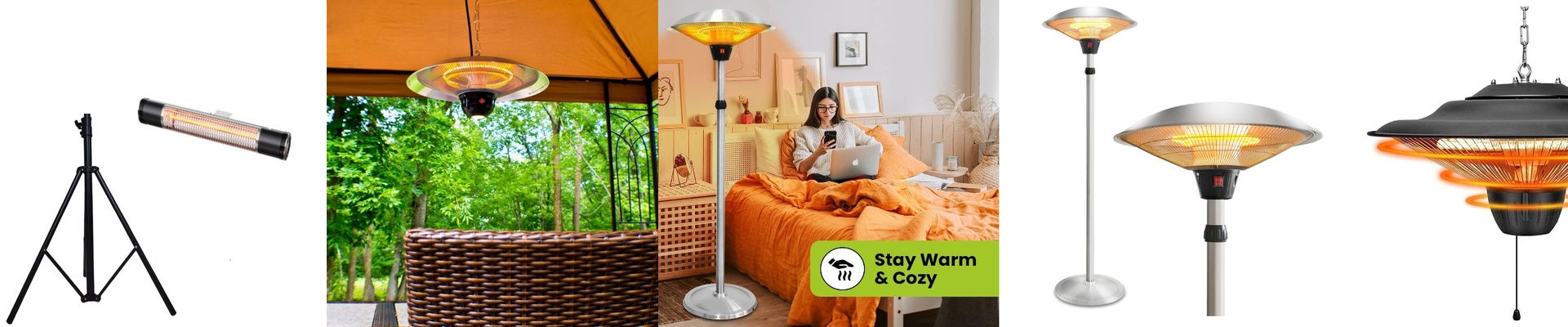

On the fab floor, you know the drill. A photoresist bake drifting by even 0.2°C is enough to throw critical dimension control off spec. When the vacuum chamber infrared heater starts underperforming, you don’t just lose yield—you lose the schedule. We built our vacuum chamber infrared heater to handle the thermal discipline modern wafer processing demands, meeting the expectations of semiconductor equipment specs and proving itself as a solid drop-in. What matters under the hood We run short-wave NIR emitters with fast response and tight spectral control, so wafer-level thermal uniformity lands within ±0.1°C across the chuck. Cycle-to-cycle repeatability holds at ±0.5°C, which keeps soft bake and hard bake profiles locked in. The heater body is built for Class 1–100 cleanrooms, using low outgassing materials and a particle-averse layout to keep contamination off the wafer. Power stays stable under vacuum, and the thermal profile stays repeatable even on 24/7 duty cycles. Why it fits lithography and photoresist work In lithography and photoresist processing, the thermal budget is fixed. This heater holds setpoint during bake steps without overshoot, which cuts line-edge roughness and improves CD uniformity. Efficiency comes from heating the target, not the chamber walls. Reliability means fewer unplanned stops—units routinely run 5,000+ hours with less than 5% output drop. For process engineers, that translates to more predictable qualifications and less rework. What to watch for on install You’ll need to match the chamber flange, feedthrough, and power interface. Confirm chamber geometry and voltage class before integration. The heater performs best when the chamber walls stay clean and reflective—any coating or residue can shift the thermal balance. Expect a short thermal soak-in period after start-up to stabilize emissivity and the control loops. Once it settles, the process stays in control.