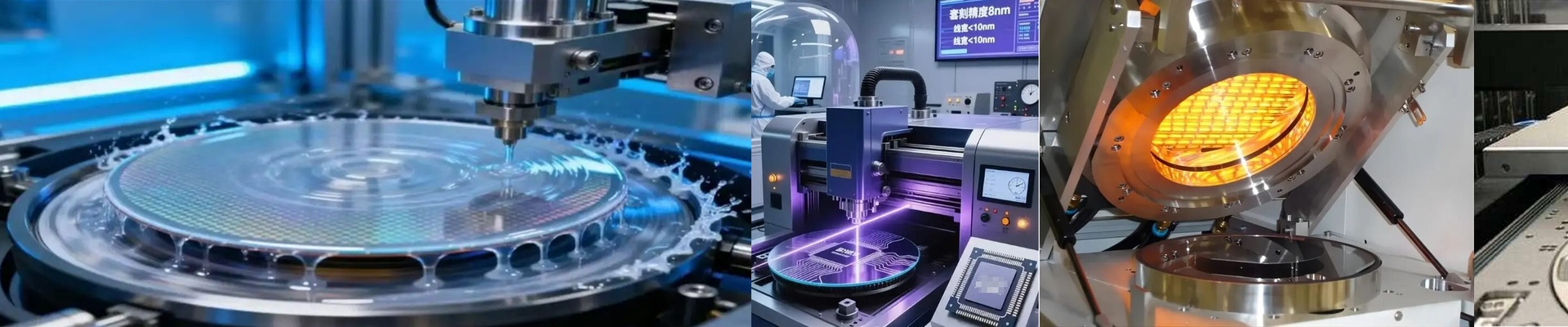
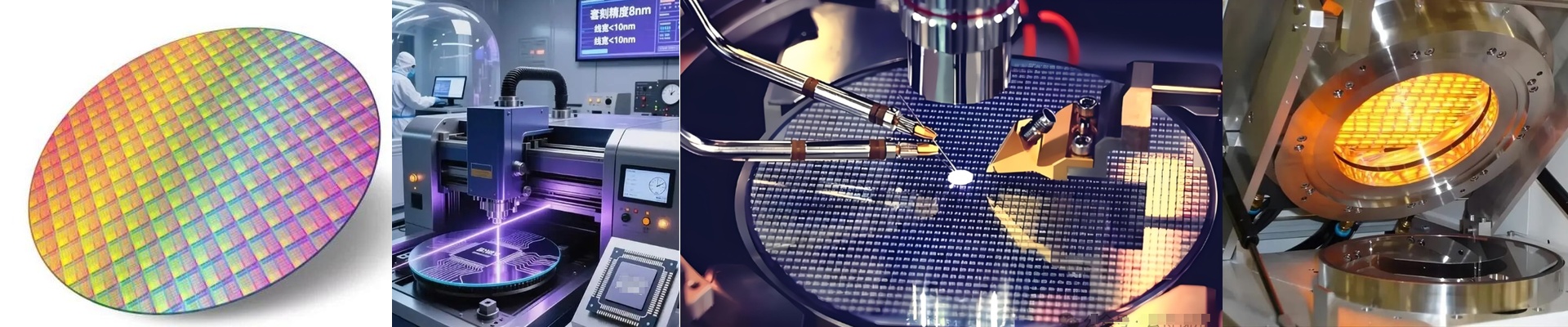

On the lithography floor, the bake step isn’t a breather—it’s a hard process boundary. Soft bake and hard bake temperatures that drift even a fraction can tilt the photoresist profile, throw off critical dimension control, and send yield out the window. When your coater/developer line is running 7×24, thermal stability isn’t a “nice to have.” It’s the constraint that keeps the fab honest.
What actually matters, technically
We built the coater/developer infrared heater around short-wave NIR sources—fast response, tight thermal control. The target is wafer-level uniformity of ±0.1°C, so photoresist bake stability holds across the entire bake window. That’s what keeps line-to-line and lot-to-lot behavior from wandering. The heater is compatible with Class 1–100 cleanrooms and generates zero particles, which keeps contamination counts where they need to be: off the wafer surface.
Why this works in a coater/developer track
In tracks, you need heat that hits fast, settles precisely, and repeats without drift. The infrared profile gives you rapid ramp-up and rapid cool-down, shaving cycle time without blowing your thermal budget. In 7×24 operation, it’s engineered for zero unplanned downtime, with life and stability that hold up over long campaigns. The payoff is predictable photoresist performance, fewer rework lots, and bake results that stay consistent shift after shift.
The practical details you’ll want to get right
Installation comes down to matching the heater to the specific coater/developer platform and confirming cleanroom airflow and exhaust conditions. Infrared performance is sensitive—reflector alignment and thermal load paths matter. Plan a short commissioning run to lock in temperature profiles and verify the bake curve matches the resist stack. Once it’s set, you’re mostly doing routine verification: temperature calibration and cleanroom housekeeping to keep the same performance, day after day.