
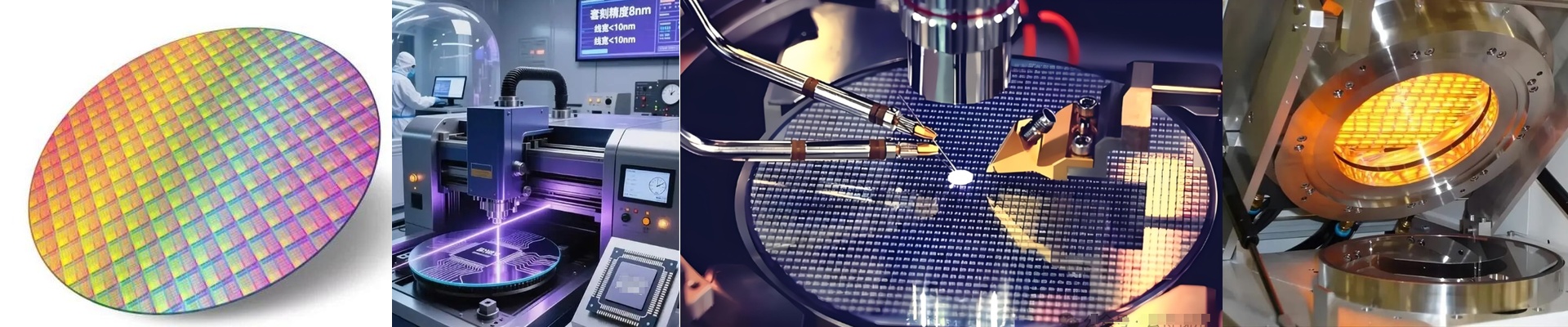
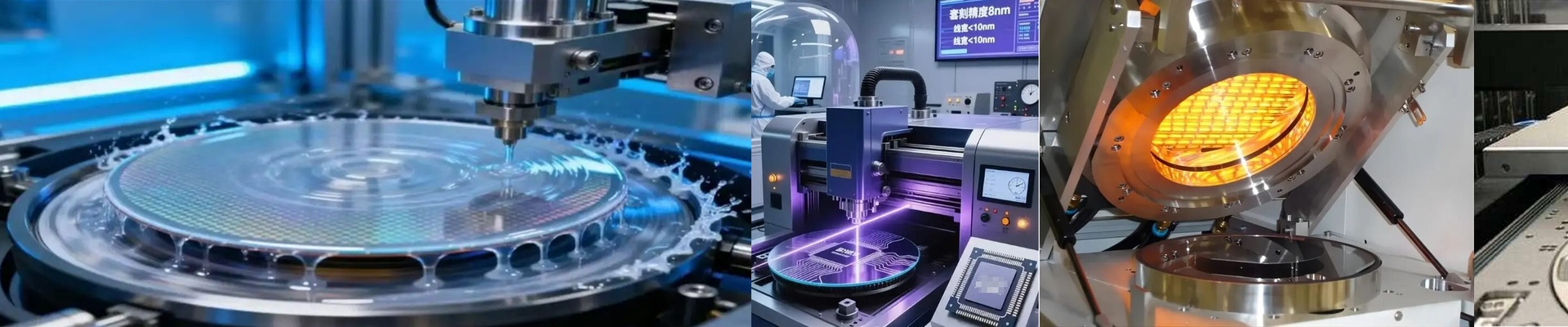
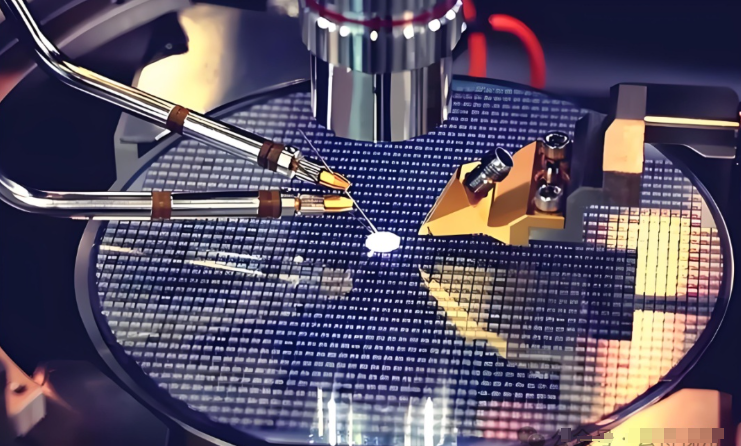
On the fab floor, thermal drift doesn’t announce itself — it quietly eats yield. Quantum dot work demands thermal control that doesn’t just sit inside spec; it locks the budget down across wafer drying, photoresist bake, and packaging cure. Let temperature uniformity drift, and you’ll see line-width control slip, residues hang around after cleaning, and encapsulation bonds miss the mark. We built our quantum dot fabrication heater to keep the thermal envelope tight where it matters. What matters, technically We run a short-wave halogen emitter tuned for fast ramp response, giving wafer-level uniformity within ±0.1°C across the active zone. Cleanroom Class 1–100 compatibility comes from a quartz-isolated heating chamber and an airflow path that hates particles, keeping generation below detectable thresholds in steady state. Temperature repeatability stays better than ±0.2°C over 24 hours, so your soft bake and hard bake profiles stay consistent. The system stays up 24/7 with predictive thermal drift compensation, cutting unplanned downtime. Here’s why this matters in practice. On wafer drying, the fast, controlled ramp keeps surface tension from spiking. That means fewer defects and a tighter cycle time. In lithography, the heater protects photoresist profile integrity by holding the soft bake and hard bake steps steady, which improves CD uniformity and cuts rework. During packaging, you get a uniform cure without hot spots, so bond strength distribution tightens up. The upshot: predictable process windows, less scrap, and measurable energy savings from efficient, on-demand heating. A few practical notes. The heater needs cleanroom-rated power and compressed air with verified filtration. Performance hinges on matching the chamber exhaust flow to your process exhaust spec. After maintenance or when you switch substrate types, expect a short warm-up stabilization window. We include interface documentation for integration with existing ovens, coaters, and curing platforms, and we recommend periodic quartz inspection to keep long-term uniformity where it should be.