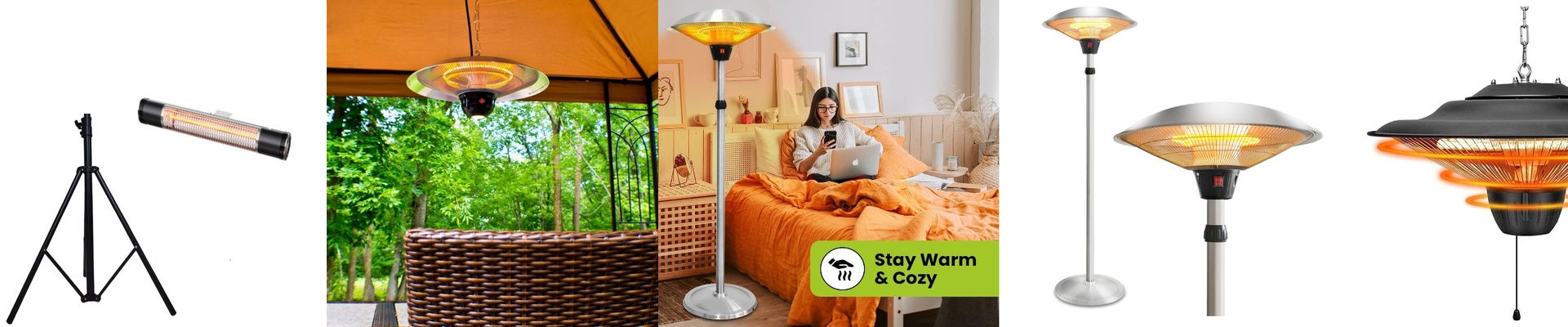

Out on the road, you hear it the minute the sun drops—the inverter’s steady hum, the battery pulling a little harder. Cabin temps fall fast, and a heater that chews amps can drain your whole setup before the evening even settles. That’s where a compact infrared heater, built for RV and off-grid duty, earns its keep: warmth that stays in line with your power budget.
What matters under the hood
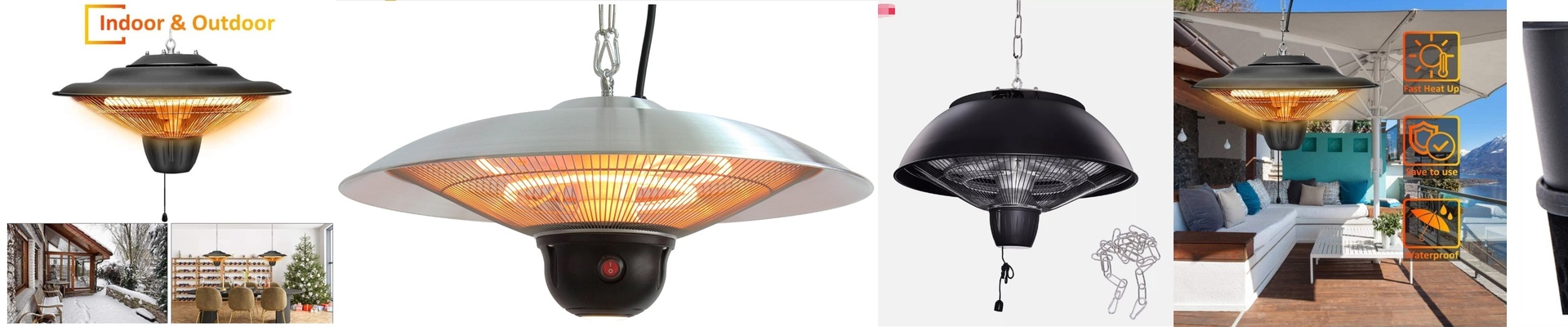
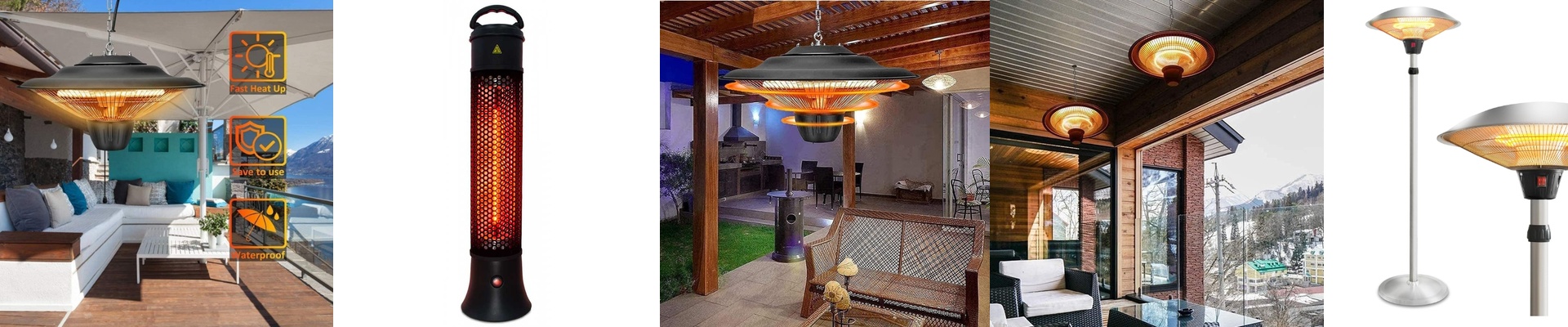
We lean on an infrared quartz tube element, so the heat is radiant—targeting people and surfaces directly instead of trying to warm the air. For tight spaces, that’s inherently efficient. You’re heating what you can see, with far less wasted convection. In practice, these units run on 120V and pull around 1.5 kW, which keeps the load manageable for many inverters and shore-power rigs. The footprint is small enough to slip under a counter or sit securely on a shelf, and the standard 3-prong plug keeps installation straightforward. Inside, a tip-over switch kills the element if the unit gets knocked over, and a built-in thermostat helps maintain comfort without constant on/off cycling.
Why this approach fits RV life
RV living demands heat that’s fast, focused, and predictable. Infrared warmth delivers that immediate comfort—hands, feet, and the seat across the table warm up within moments, even when the air around them is still cool. Because the heat is directional, you feel it where you’re sitting. You don’t have to overwork the heater to chase the whole cabin volume. That translates to steadier evenings, better sleep, and less strain on the electrical system. For off-grid travelers, that balance is the whole point: a dependable heat source that supports longer stays without keeping your eyes glued to the battery gauge.
The details that matter on the job
This heater is designed for indoor use in the living and sleeping areas of an RV. Keep it where airflow isn’t blocked. It’s not meant to be the sole heat source in brutally cold conditions. For sustained sub-freezing temps, pair it with your RV’s main heating system. And like any electric heater, it needs a dedicated outlet—don’t share the circuit with other high-draw gear. If you’re on a smaller inverter, match the unit’s wattage to your battery capacity and planned runtime, and always maintain a safe clearance around the quartz tube.