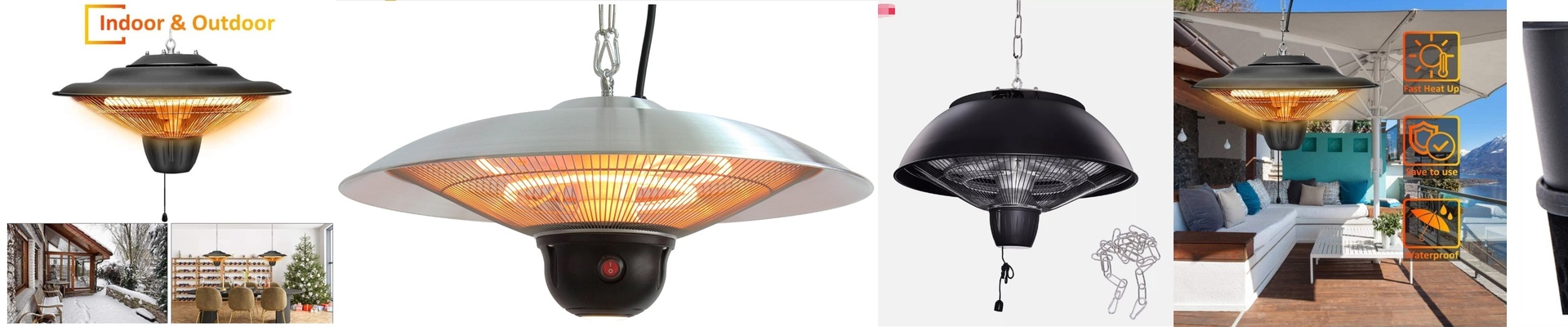

Making Bathroom Heaters That Don’t Blind You
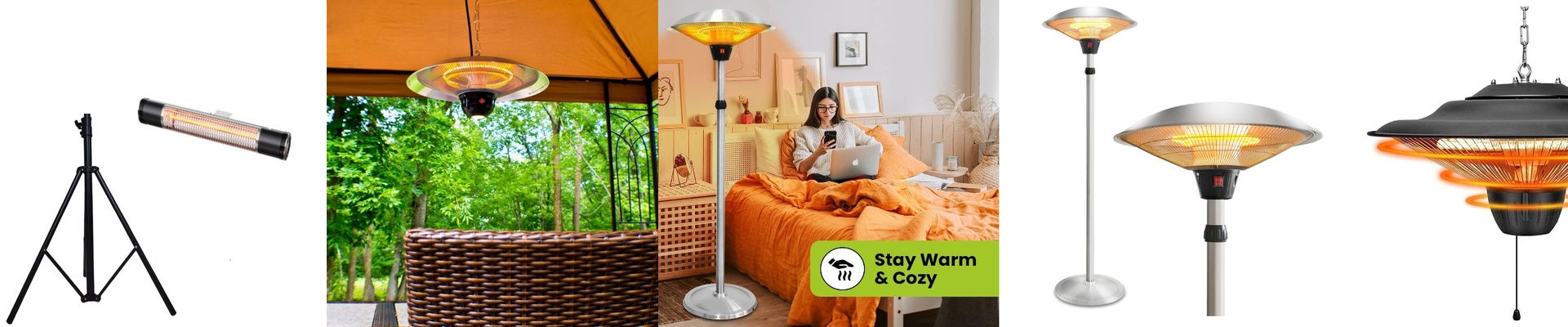
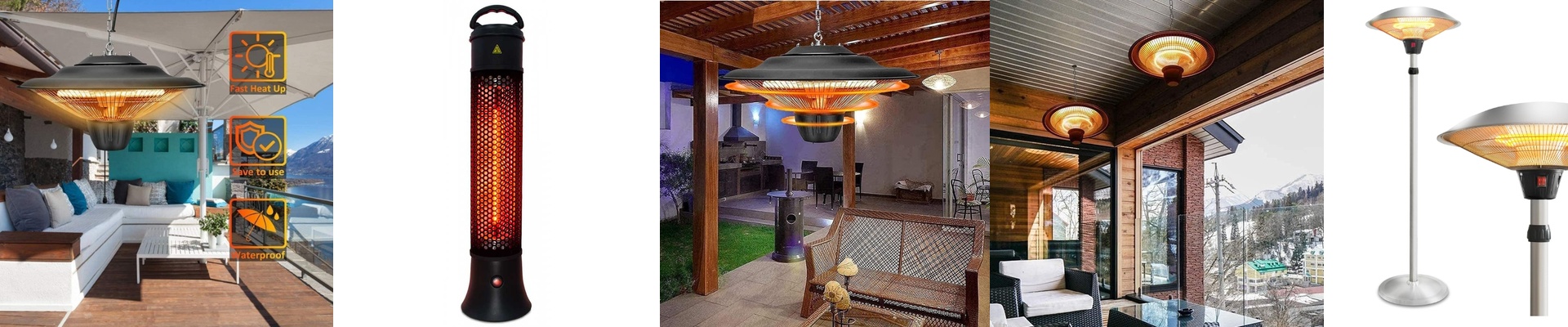
Most bathroom heat lamps use short-wave infrared. It’s great for drying off a towel or warming up your skin the second you step out of the shower, but there’s a catch. That intense glare and the UV rays can be way too harsh on the eyes—especially for babies. We figured out a way to fix that by tweaking the light spectrum. Keeping your eyes safe We use special quartz coatings and dopants to scrub out those aggressive blue lights and UV rays. Instead of that blinding white light you see in industrial tubes, we shift the energy toward long-wave infrared. The result? The light feels soft. You get all the warmth you need to take the chill out of a damp room, but without the retinal stress. No more squinting when you turn the heat on. The nuts and bolts These lamps are a bit of a balancing act. We have to get the wattage and voltage just right so the filament doesn’t burn out too quickly. The quartz glass is the real hero here. It has to handle “thermal cycling,” which is just a fancy way of saying it goes from freezing to 500°C in a few seconds without cracking. Since it uses radiation to heat things up, you feel the warmth immediately, even if there isn’t a breeze in the room. The trade-offs Now, you can’t get something for nothing. Because we filter out the harsh light, these lamps aren’t as bright as the clear ones. That means you can’t really use them as your main room light. They’re for heat, not for illuminating the whole bathroom. You also have to be careful with the power. If you cram too much wattage into a small towel rail, you’ll end up warping the plastic or metal mounts. And a pro tip: always use high-temp wiring. Nobody wants their insulation to melt.