
Getting Your Bathroom Heating Right: A No-Nonsense Guide to Infrared
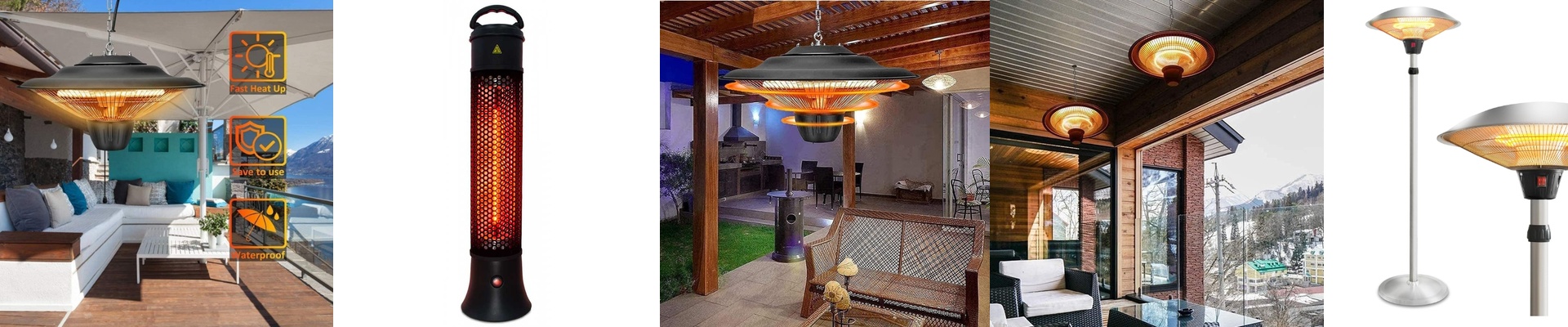
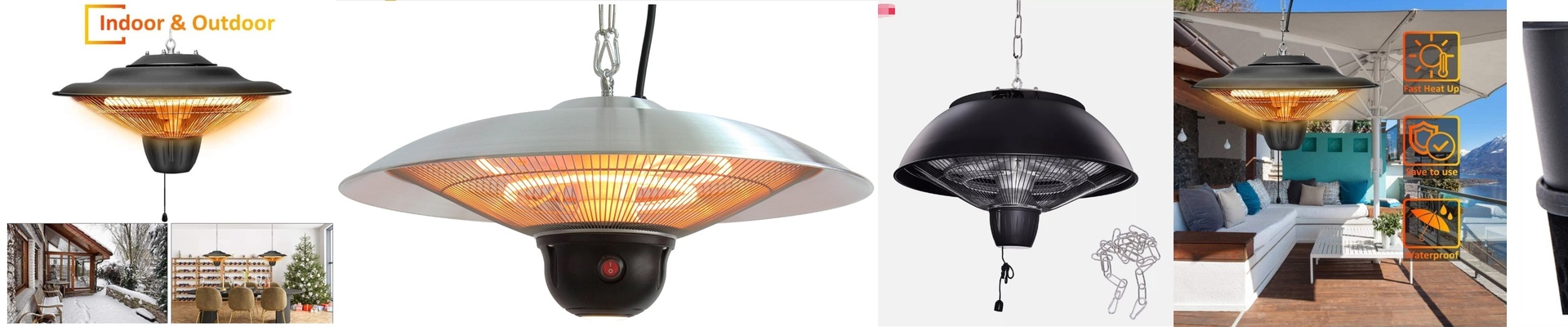
When you’re picking out heaters for a bathroom, you’re dealing with more than just a chilly room. You’ve got steam, splashes, and high humidity. That’s why you can’t just throw any heater in there. You need IP65-rated gear. In plain English? It means the unit is sealed tight. Dust stays out, and if a bit of water sprays on it, you won’t be dealing with a short circuit or a tripped breaker.
Picking the Right Wattage
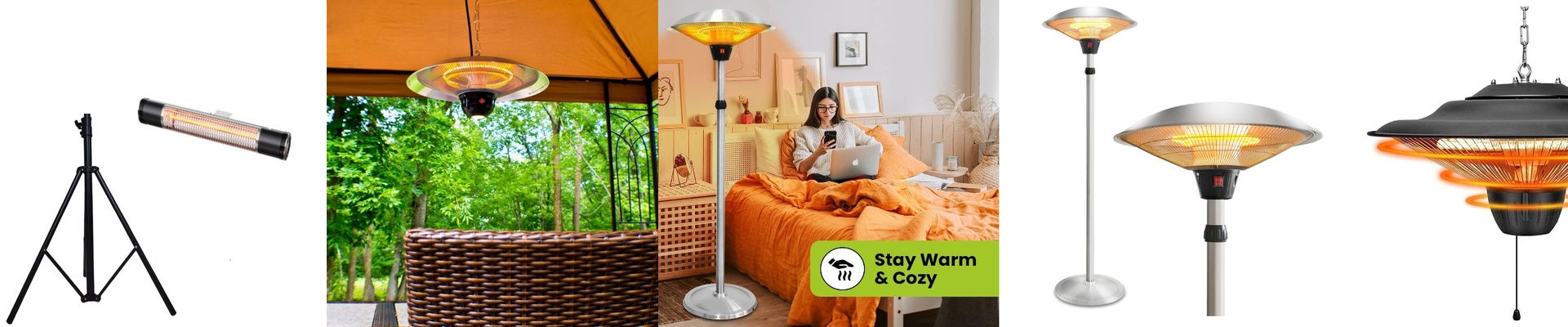
Here is the thing: over-speccing your wattage is just throwing money away. If you’re working with a tiny powder room, a 500W lamp is plenty. It gives you that targeted warmth without turning the room into a sauna. But for those big master baths? You’ll want to jump up to 1000W or 1500W to actually feel the difference. But don’t forget to look up. Ceiling height changes everything. The higher you mount the lamp, the more that heat fades before it actually reaches you. If you put a low-wattage lamp on a 3-meter ceiling, it’s going to feel cold—no matter what the energy bill says.
How It Actually Works
Most heaters just warm up the air, which is slow and often feels thin. These infrared lamps are different. They send energy straight to your skin and the surfaces around you. The result? Instant warmth. We use tungsten filaments and quartz glass to make this happen. The IP65 housing is key here because it keeps the steam away from the glass. Without that protection, the thermal shock from the steam could actually crack the glass.
The Trade-offs (What to Watch For)
Higher wattage is great because it warms up fast, but it puts a lot more stress on your wiring. If you try to run three 1500W heaters on one circuit, you’re probably going to trip the breaker the moment you turn them all on. Double-check your cable gauge. Make sure it can actually handle the current. One last tip: be careful with placement. High-wattage lamps create some seriously intense heat in one spot. If they’re mounted too low, they can actually burn someone. It’s all about finding that sweet spot between the wattage and the mounting height so it feels cozy, not scorching.