

Stop Heating Your Vacuum Chamber Walls
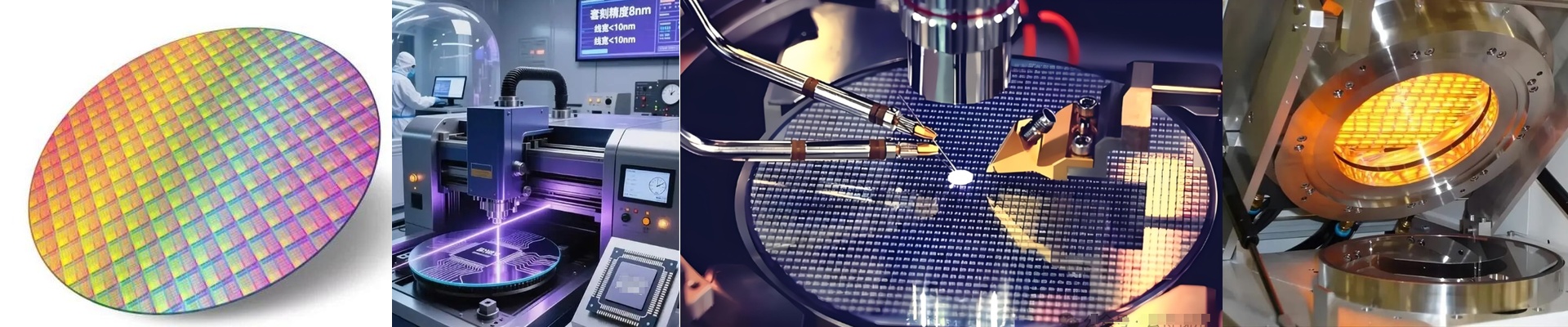
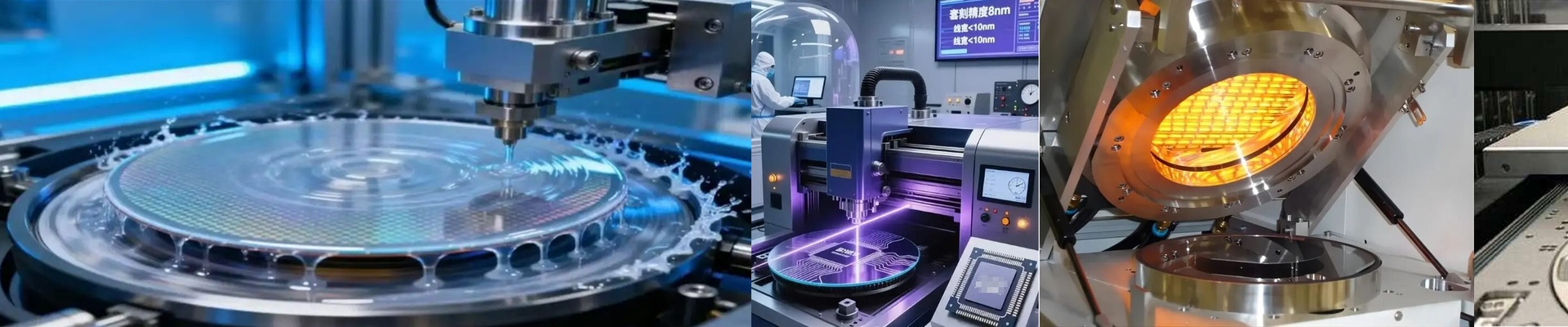
Heating a wafer inside a vacuum chamber is a bit of a nightmare. If you’re using standard radiant heaters, the heat just goes everywhere. It’s messy. The result? “Hot walls.” Your expensive semiconductor tool basically becomes a giant sponge for waste energy. It’s not just a waste of electricity—it’s a safety risk for whoever is standing next to the machine, and it can actually warp your chamber walls over time. Not ideal. How we fix the heat leak We handle this by getting directional with the infrared. Instead of letting the lamp blast heat in every direction, we use specific reflectors and vacuum-safe coatings to point that energy exactly where it needs to go: the substrate. By tightening that beam, the heat stays off the walls. You get your wafer up to temp without turning the rest of your hardware into a heat sink. The vacuum problem Here’s the thing about standard IR lamps: they usually fall apart in a vacuum because of outgassing. In the semiconductor world, one tiny particle can kill an entire batch. That’s a disaster you can’t afford. That’s why we use high-purity quartz and specialized seals. It keeps the chamber clean. Period. The trade-off (and how to handle it) Now, there is a catch. When you focus a beam, you’re packing a lot of heat into a small spot. While this saves your walls, it puts a lot more pressure on the target material. You’ll want to be really careful with your PID controllers so you don’t overshoot your target temperature. Also, double-check your cooling jacket. If it isn’t built to handle that concentrated heat at the lamp base, you’re going to burn out your filament way too soon. The good news? We’ve designed these lamps to be drop-in replacements. They fit right into your existing vacuum arrays, so you don’t have to redesign your hardware to get a better thermal profile.