


Step inside a commercial building on a winter morning and you feel it immediately—cold air pooling low, drafts curling around doors, and the heating bill quietly climbing. For property owners, comfort is one thing, but performance is the real scoreboard. The right electric heater can trim energy use while keeping people warm, and that balance matters when you’re juggling budgets, sustainability targets, and tenant satisfaction.
What matters, technically
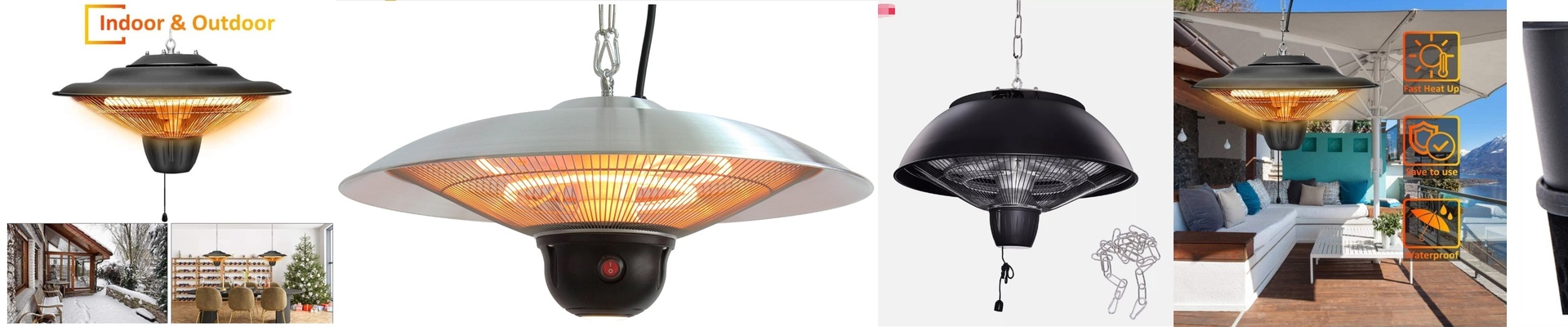
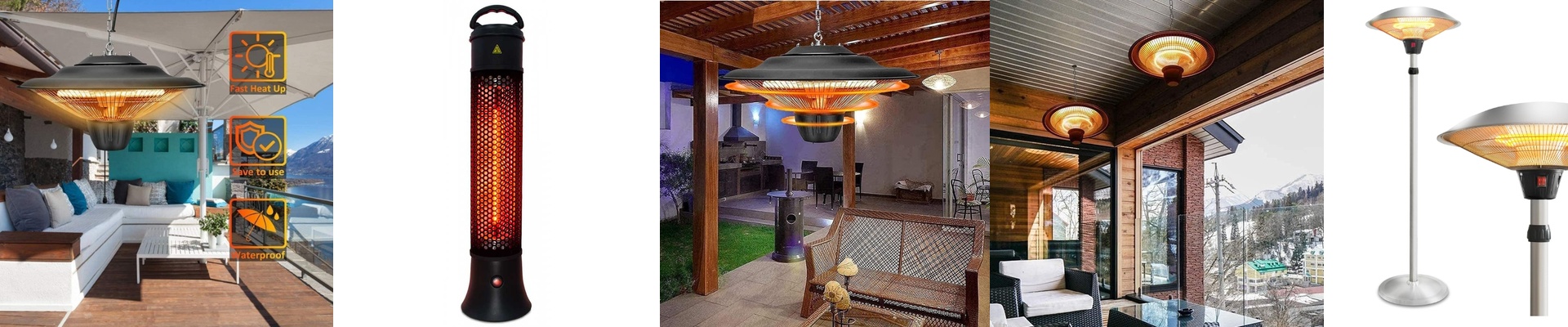
Infrared electric heaters work the way the sun does—radiating heat straight onto people and surfaces—so you don’t have to warm every cubic foot of air. In our 2026 lineup, the most efficient models pair a carbon fiber element with a quartz tube, giving you a clean, directional radiant field. You get warmth the instant it’s needed, with no warm-up lag, and because the heat is localized, the thermostat doesn’t cycle as much. In the field, these specs matter: 120V or 240V options to match your circuits, compact footprints that fit tight entries and lounges, and built-in safety like tip-over protection and an overheat cutoff. For outdoor-facing common areas, look for an IP rating that stands up to moisture and dust, plus a stout reflector and protective grill so output stays consistent year after year.
Why this works in commercial real estate
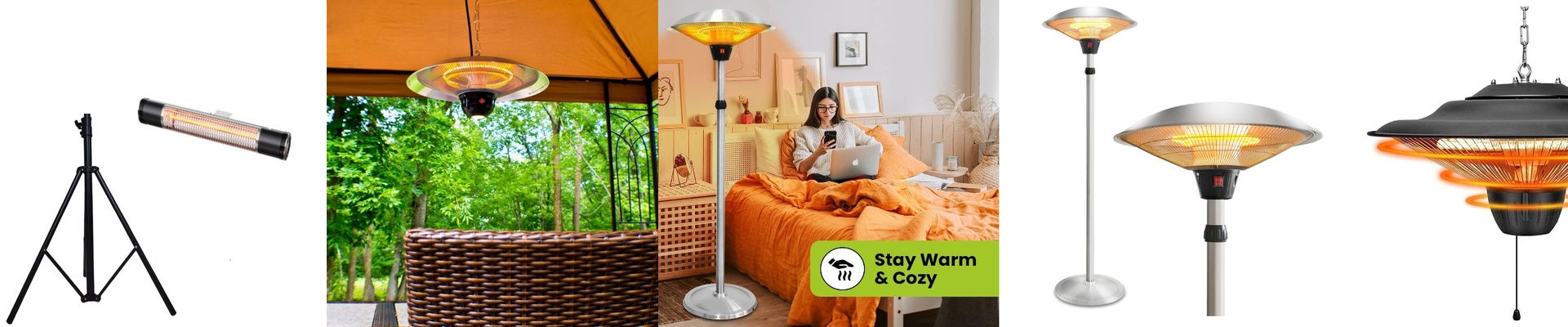
Commercial real estate runs smoother when operations feel both effortless and responsible. Infrared heating zeroes in on the spaces people actually use—lobbies, corridors, waiting areas, and sheltered outdoor seating—so you’re not spending energy on empty air. That focus lowers overall electricity demand, which helps cut operating costs and supports ESG metrics. Tenants feel the difference, too: steady warmth without drafts, and heat that shows up the moment they step in. When comfort is reliable, satisfaction climbs, and so does the perceived value of the asset.
The practical details
Infrared warms people and objects directly, not the air, so in very open, windy spots you may still want supplemental air movement. Plan on dedicated circuits and the right mounting heights to get even coverage, and always check local codes for outdoor and commercial installations. The payoff is simple: less wasted heat, fewer complaints, and a heating approach that lines up with a forward-looking sustainability strategy.