

Keeping Your Outdoor Heaters Dry and Clear
Let’s be honest: the outdoors is a nightmare for electronics. Between the humidity, the sudden rain showers, and that annoying morning dew, there are a million ways for water to sneak into a heater. If it gets into the electrical housing, you’re looking at short circuits or a filament that burns out way too soon. That’s why we spend so much time obsessing over the seals.
Dealing with Splashes and Fog
Most water leaks happen at the seams or where the cable plugs in. It’s the path of least resistance. To stop that, we use silicone gaskets and reinforced seals. It’s a simple fix, but it means you don’t have to panic every time a few raindrops hit the unit. But then there’s the mist. Mist is a different beast. When you flip on a hot heater in a cold, damp yard, you get that instant condensation on the lens. It’s like a foggy bathroom mirror. If that lens fogs up, you lose your heat throw, and suddenly you’re shivering again. We handle this with special coatings and a specific airflow path that keeps the lens clear. You get the heat, and the heater stays clear.
Why This Actually Matters
Cheap heaters usually die because moisture eats away at the contact points. It’s just basic corrosion. By locking out the water and the mist, we stop that oxidation before it starts. Your connection stays solid, even after thousands of uses. Now, there is a catch. When you seal something tight to keep water out, it’s harder for the heat to escape. To keep the electronics from overheating, we use aluminum heat sinks. They pull the heat away from the sensitive bits while keeping the rain exactly where it belongs—outside.
Setting It Up
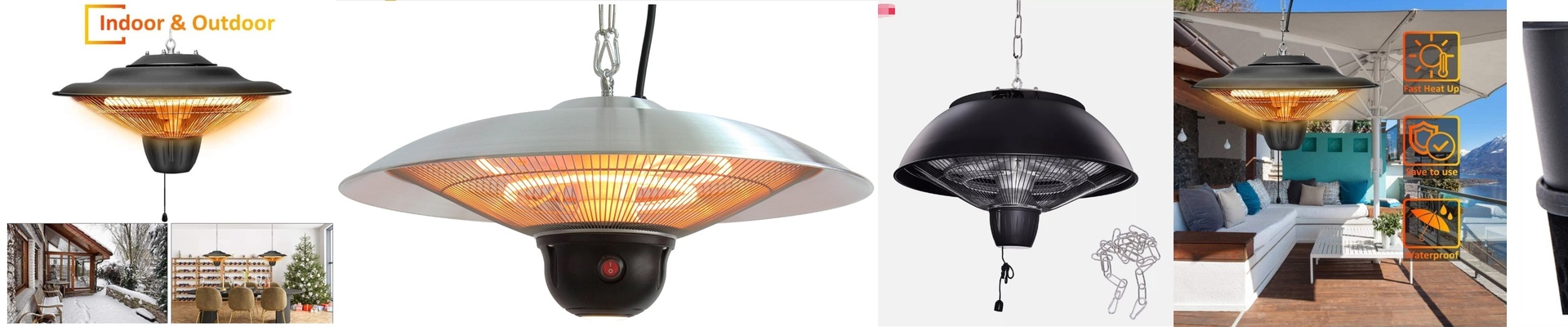
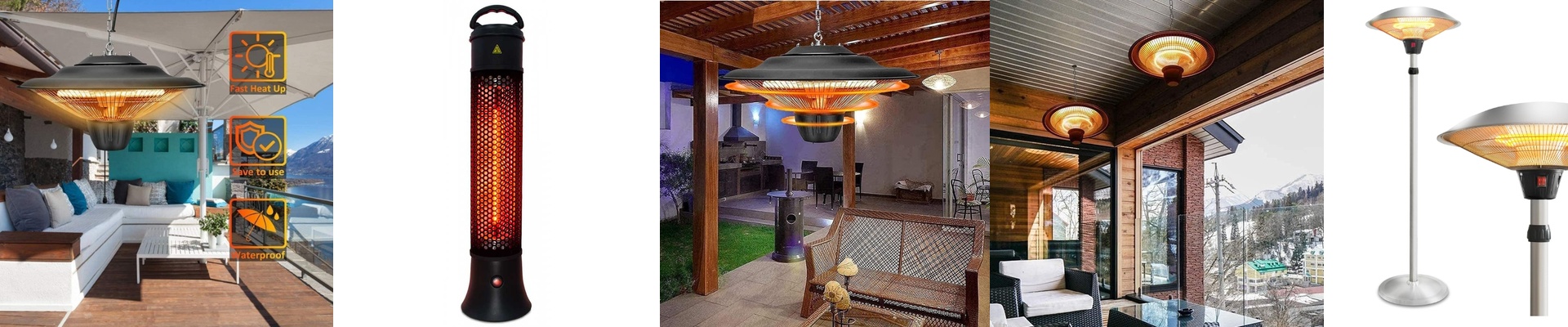
You can put these on an open patio or tuck them under the eaves of your roof. You don’t need to build some fancy custom shelter just to protect the gear. Just a heads-up: check your circuit breaker. Make sure it can handle the total wattage of your setup. A waterproof housing is great, but it won’t stop a tripped breaker if you overload the line. Also, give the seals a quick wipe every now and then. If grime and dirt build up on the gaskets, they can’t do their job. Keep them clean, and they’ll keep you warm.