Stop Losing Money on Your Patio Just Because It’s Cold
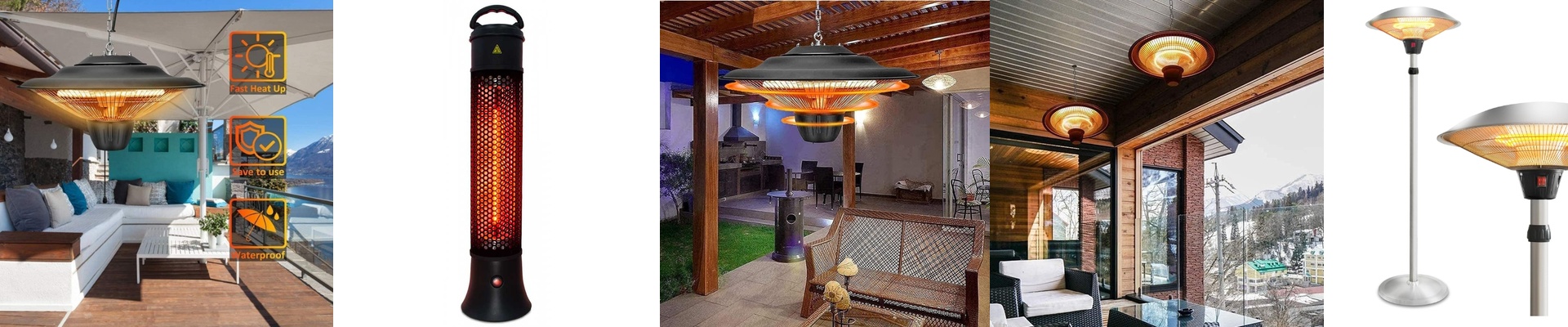
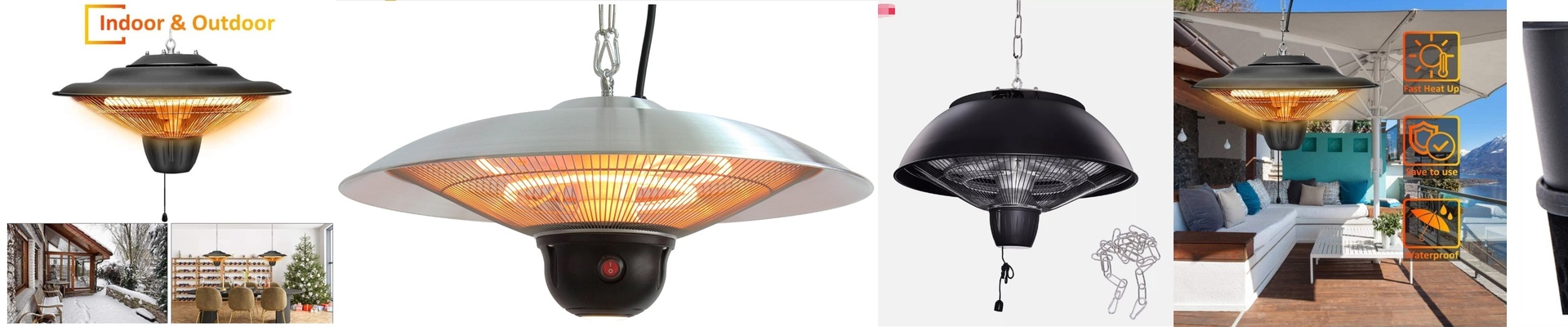
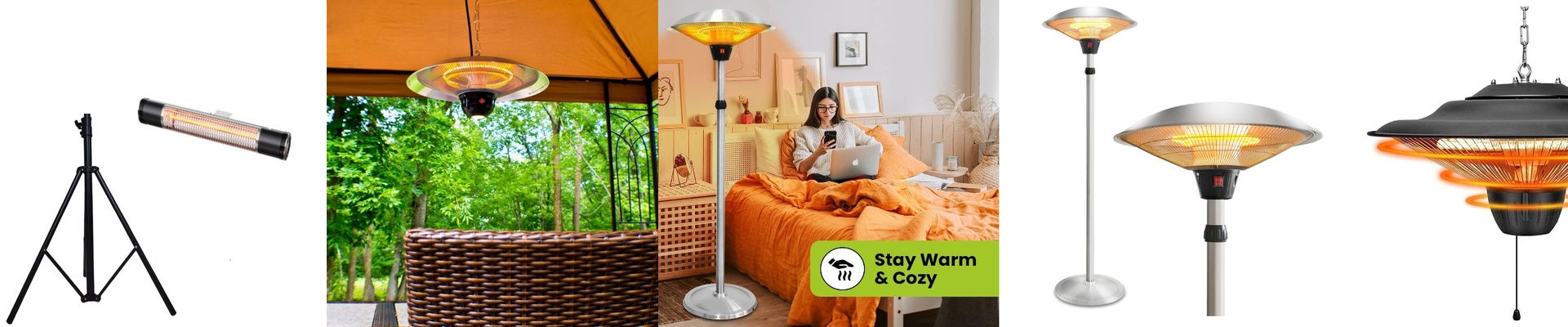
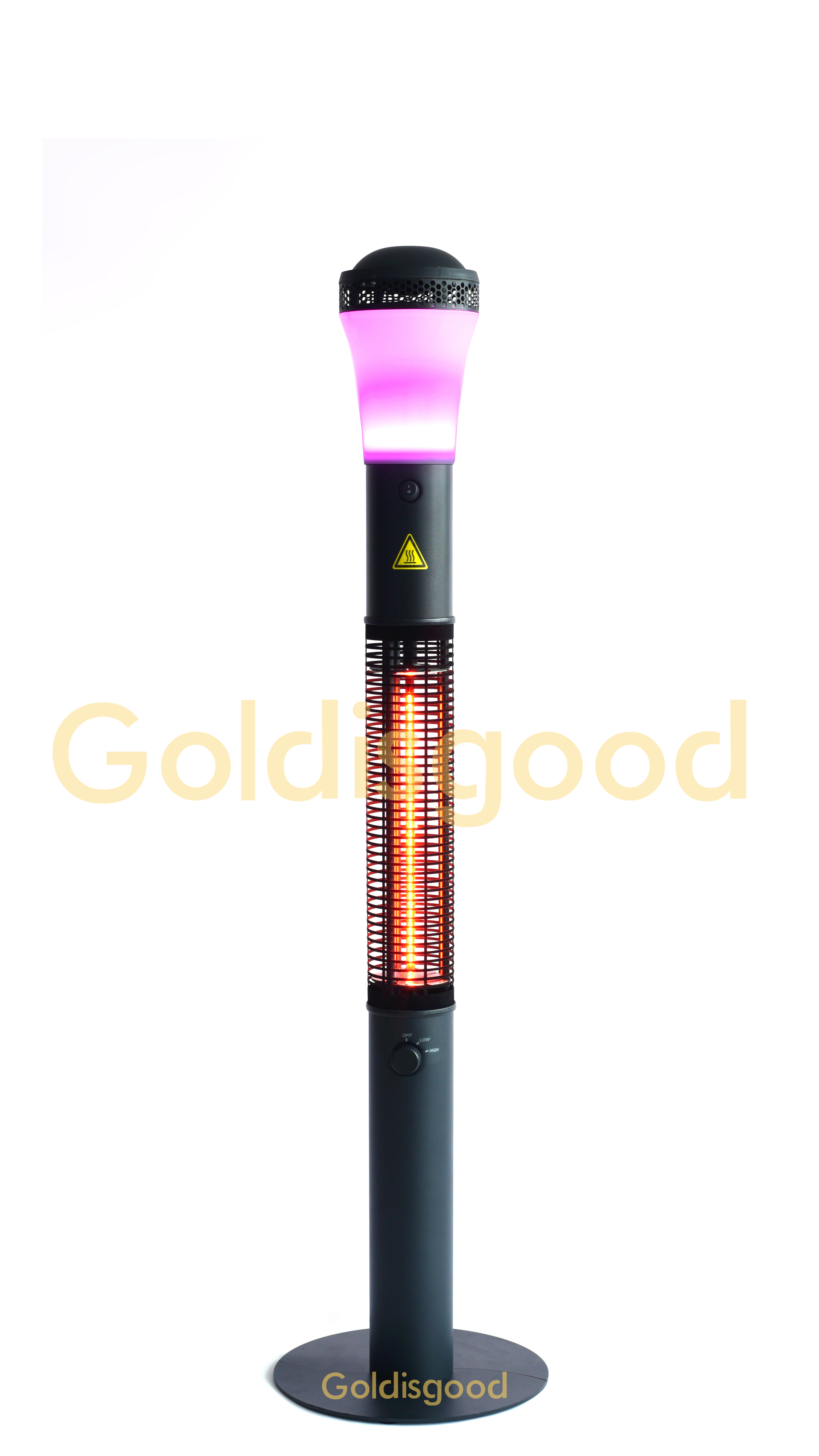
Let’s be honest: most outdoor heaters are a joke. You turn them on, the wind blows for two seconds, and all that expensive heat just vanishes into the night sky. Your guests are still shivering, and you’re losing money on empty tables. We do things differently. We use shortwave infrared. Instead of trying to heat the air—which is a losing battle outdoors—these emitters send heat straight to your customers and their chairs. It feels like standing in the sun. The wind can howl all it wants; the warmth stays put.
Built for the Real World
If you’re putting gear outside, it’s going to get beat up. Rain, dust, humidity—it’s a mess. That’s why we stick with IP55-rated units. In plain English? It means the housing is sealed tight against dust and can handle water jets hitting it from any angle. You can wire these up and forget about them, without worrying that a little rain is going to short your circuit in the middle of a Friday night rush.
Why “Shortwave” Actually Matters
We use shortwave lamps because they’re fast. Really fast. The heat travels further and hits harder. When a guest sits down, they feel it instantly. No “waiting for the area to warm up”—just immediate comfort. We also focus on heat density. By packing more wattage into every inch, we can mount the heaters higher up (usually around 2.5 to 3 meters). This keeps the gear out of the way while still keeping the people at the table cozy.
The Bottom Line (and the Catch)
Here’s the reality: if you can bump your patio temp up by 5-10°C, people stay. They order another round of drinks. They order dessert. They don’t rush inside because they’re freezing. But there is a catch. These arrays pull a lot of power. Before you buy ten 2000W units, please, for the love of everything, check your breaker panels. You’re adding 20kW to your load. If your cabling isn’t up to the task, you’ll end up with dimming lights or a tripped breaker right when your dining room is full. Get the wiring right first, and the rest is easy.