
Why we’re ditching the old ovens for Infrared Curing
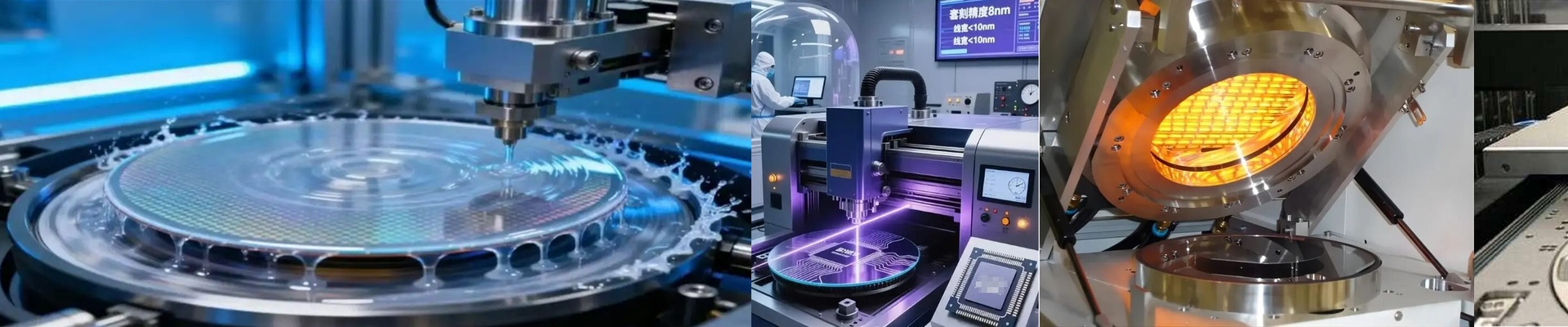
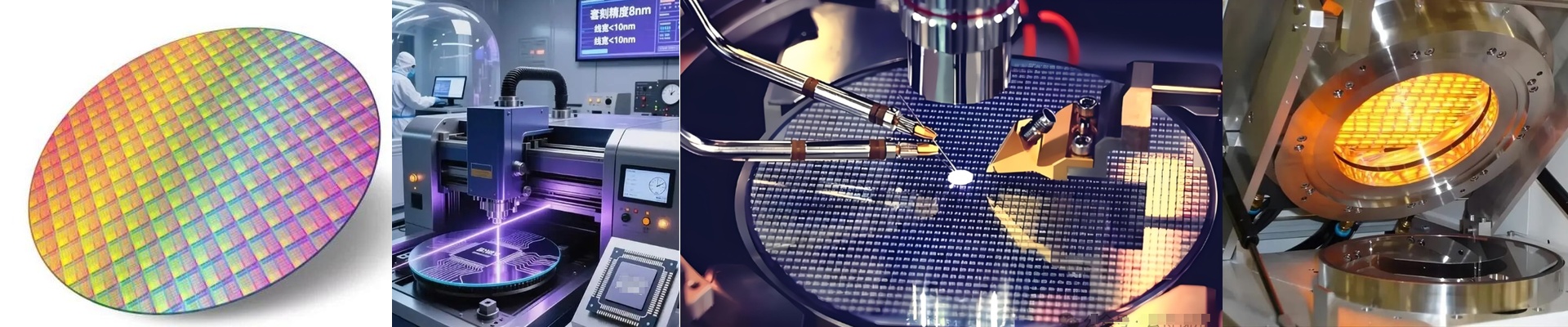
Let’s be honest: those old convection ovens are basically giant, energy-hungry boxes that heat up everything except what you actually need. Semiconductor fab is moving away from that, and for good reason. We’re seeing a huge shift toward digital IR controllers because they make “green” manufacturing actually work without slowing down the line. Here is the real difference. With conventional drying, you’re heating the air, hoping the air heats the substrate. It’s a waste. IR is different. It uses electromagnetic radiation that goes straight into the material. You aren’t trying to heat the whole room; you’re just hitting the target. It’s cleaner, too. You can stop relying on those nasty organic solvents that used to be the only way to get things dry quickly. But there’s a catch. Lead-free solder and the new eco-friendly resins are picky. They have a very narrow temperature window. If you go too hot, you’ve just warped your board or fried a component. That’s where the digital PID controllers come in. They act like a smart thermostat, adjusting power in real-time based on what the sensors are seeing. No more “hot spots” or guessing games. It just stays where it needs to be. Now, I won’t tell you IR is a magic wand. It has its quirks. The whole thing depends on how much energy your material actually absorbs. If you’re working with a surface that’s basically a mirror, that energy is just going to bounce right off. You have to be smart about where you put your lamps and how you set up your reflectors, or you’re just burning electricity for nothing. The best part, though? The space you save. When you switch to digital IR, you can rip out those massive venting ducts and heavy heating elements. It’s a much smaller footprint. You can swap out a clunky convection tunnel for something that hits curing temps in seconds. Your line moves faster. Your power bill goes down. Everyone’s happier.