

Why we’re ditching forced air for infrared in cleanroom trolley heaters
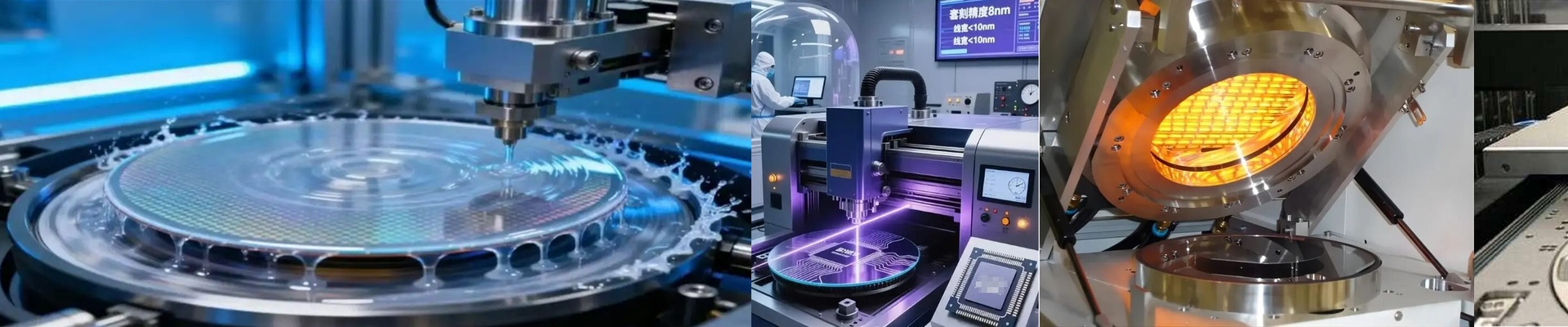
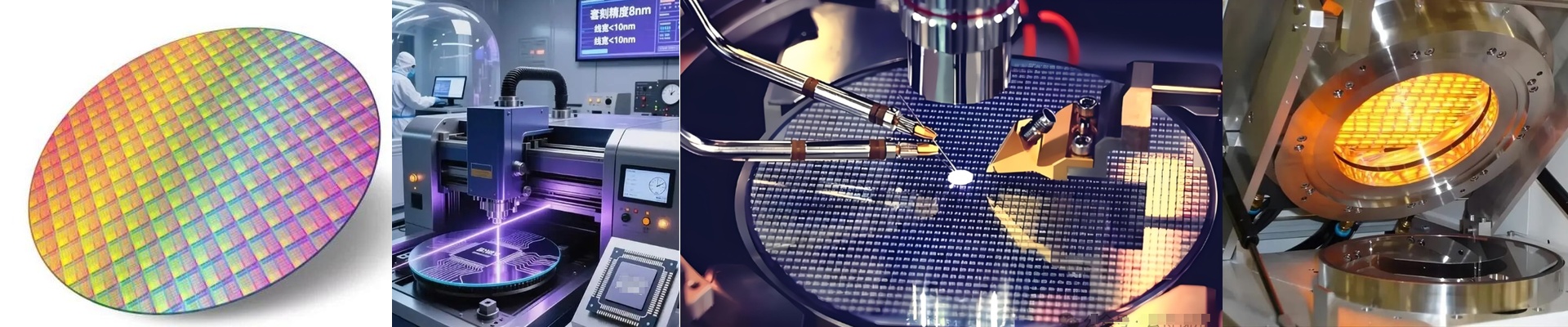
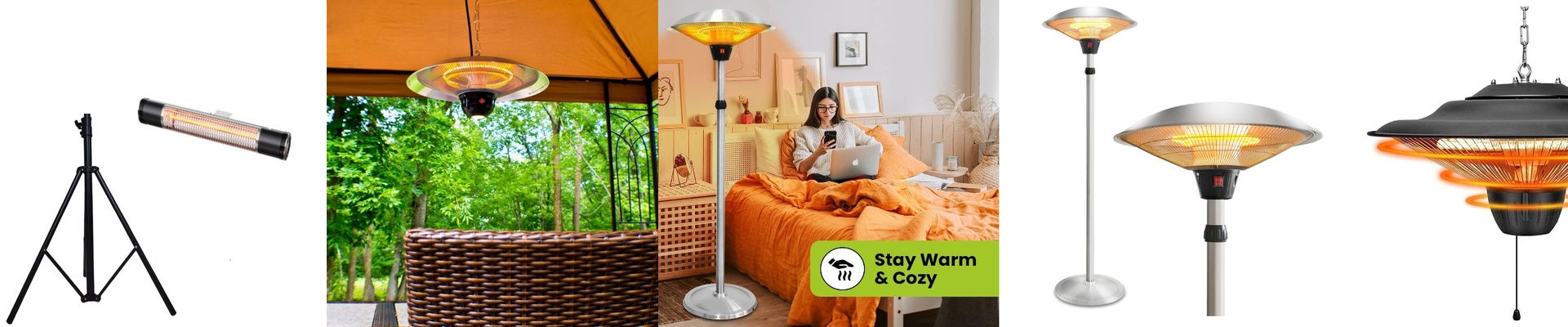
If you’ve spent any time in semiconductor deep processing, you know the frustration of the “trolley wait.” It’s a classic bottleneck. Most of the old-school setups use hot air circulation. The problem? It’s slow. You have to heat the air, then the air heats the trolley, and finally, the trolley heats the wafer carrier. That’s a lot of waiting around for the heat to actually get where it needs to be. It’s a drag on the whole process. Cutting out the middleman Infrared (IR) heating changes the math. Instead of messing around with the air, IR emitters beam energy straight into the material. It’s a direct hit. When we switch a shop over from forced air to IR, we see ramp-up times drop from minutes to seconds. In a high-volume fab, those saved seconds add up fast. Suddenly, you’re pushing more wafers through the line every single shift. Keeping things clean (and quiet) Then there’s the cleanroom factor. Forced air is basically a giant dust-blower. It stirs everything up, which means you’re stuck dealing with heavy filtration and constant maintenance. IR is different. It’s silent. Nothing moves. No fans to burn out, no filters to clog. Plus, the gear is smaller, so you get some of your floor space back. Another win? Heat density. You can actually aim the heat at specific zones of the trolley. This stops the carrier from expanding unevenly, which is a huge relief for anyone worried about precision. The catch Now, IR isn’t magic. It needs a clear line of sight. If your trolley has a weird shape or deep pockets, the radiation won’t reach every nook and cranny. You’ll end up with cold spots. That’s why we can’t just “plug and play” these systems. We have to spend time mapping out exactly where the emitters go. If the lamp is too close to the load, you’ll scorched the surface of the carrier. You also need PID controllers that can react instantly, because when the temperature spikes, it happens fast.