

Stop Throwing Away Your Gazebo Heaters
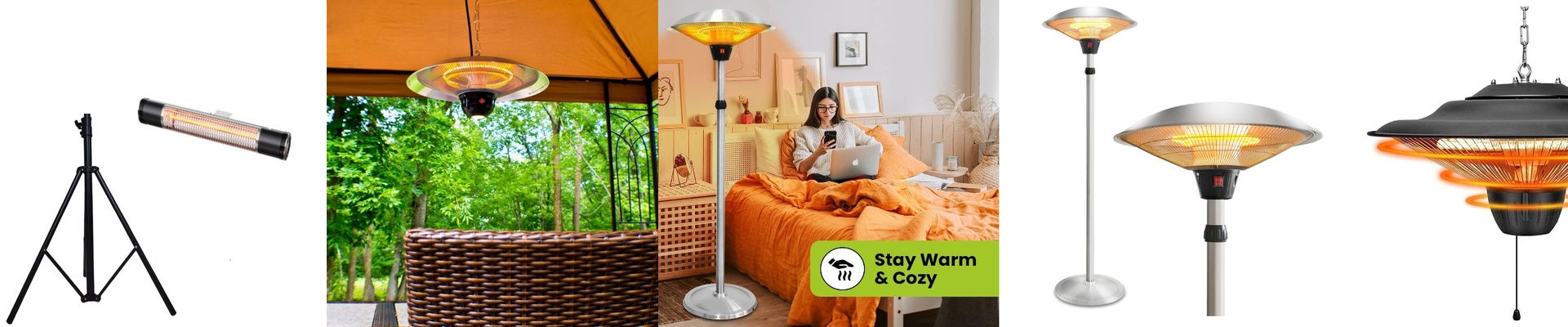
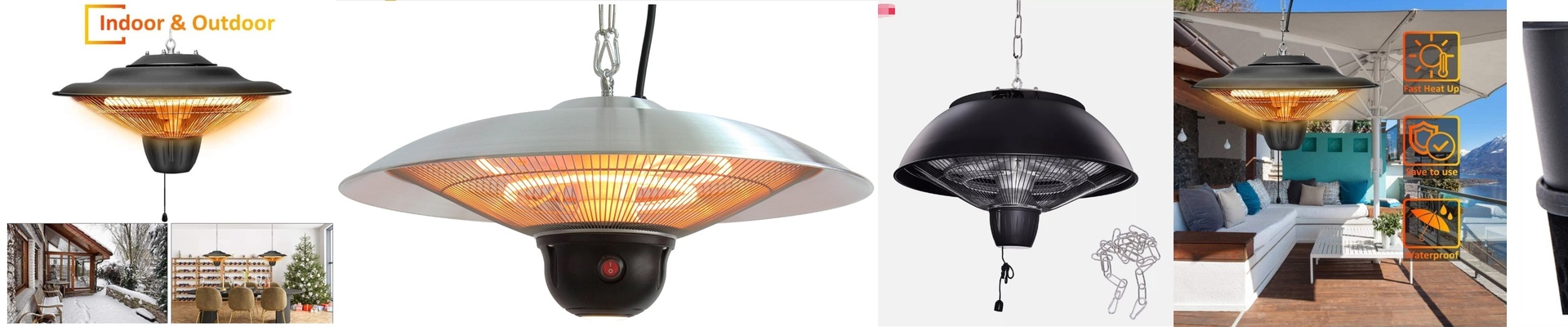
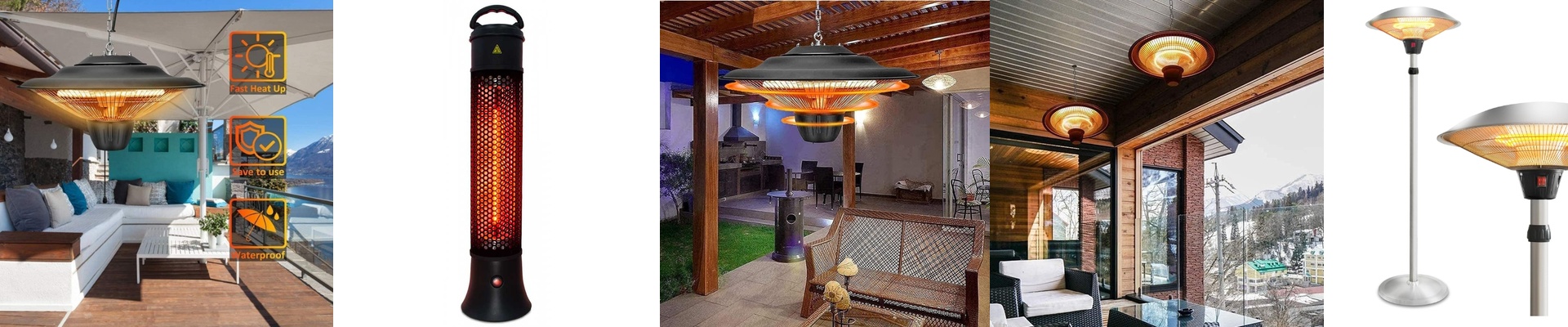
Most ceiling heaters for outdoor gazebos are built like disposable cameras. They pump out 1500W of heat, work great for a few seasons, and then—the moment a heating element burns out—the whole thing is trash. You can’t open them. You can’t fix them. You just toss the entire metal box in the landfill and buy a new one. We got tired of that. So we decided to build them differently. Why 1500W? It’s basically the magic number for home circuits. It gives you enough punch to actually feel warm in an open-sided gazebo without blowing a fuse the second you flip the switch. We use shortwave infrared emitters. The best part about these is that they don’t bother trying to heat the air—which is pointless outdoors because the wind just carries it away. Instead, they heat you and your furniture directly. It feels like standing in a patch of sunlight, even when there’s a breeze kicking up. The “Fix-It-Yourself” Design Instead of gluing everything shut or soldering parts together, we use a modular chassis. Think of it as “plug-and-play” for your ceiling. We use simple mechanical fasteners and standard connectors. Here is why that matters: If a heating tube dies five years from now, you don’t need an electrician to rip out the whole fixture. You just pop a clip, pull the old tube out, and slide in a new one. It takes five minutes. No stress, no new wiring, and no wasted hardware. The Trade-off Now, to make the tubes easy to swap, the housing has to have a little more breathing room. It’s not a “perfect,” airtight weld like those disposable units. But honestly? I’ll take a slightly looser fit any day if it means I can actually repair my gear. It’s the difference between owning a tool and owning a piece of planned obsolescence. A Quick Tip on Install If you’re wiring these into your gazebo, just keep two things in mind. First, make sure your junction boxes can handle the moisture. Being outdoors is tough on electronics. Second, 1500W gets hot—especially at the terminal blocks. Do yourself a favor and use high-temp wiring. It prevents the insulation from melting down after a few years of use, which is a headache you definitely don’t want.