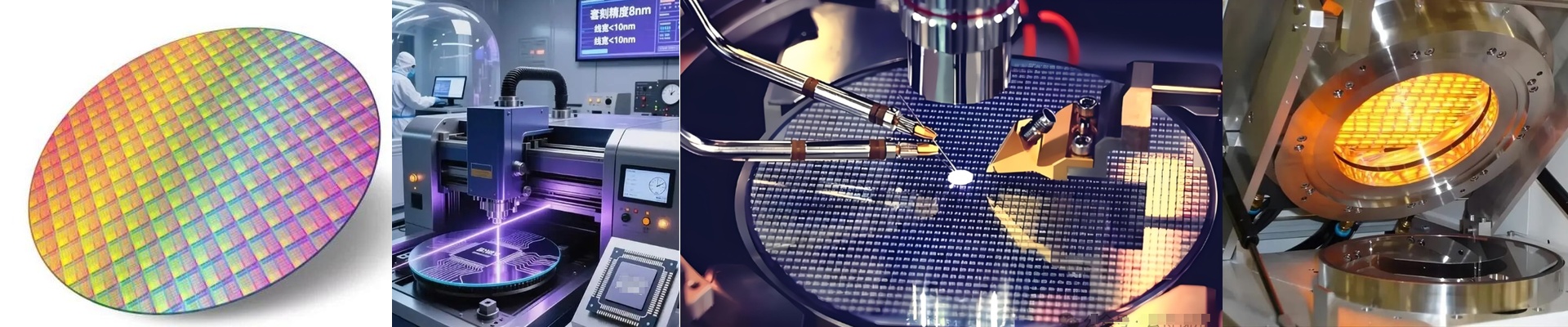

Cutting Carbon in the Fab: Why IR Drying Actually Works
If you’re trying to hit carbon neutrality in a semiconductor fab, you have to look at the drying stage. It’s an energy hog. Most old-school convection ovens just blast hot air everywhere, heating the entire chamber just to dry a few wafers. It’s a waste. We’ve found a better way: targeted infrared (IR) heating.
How the physics actually plays out
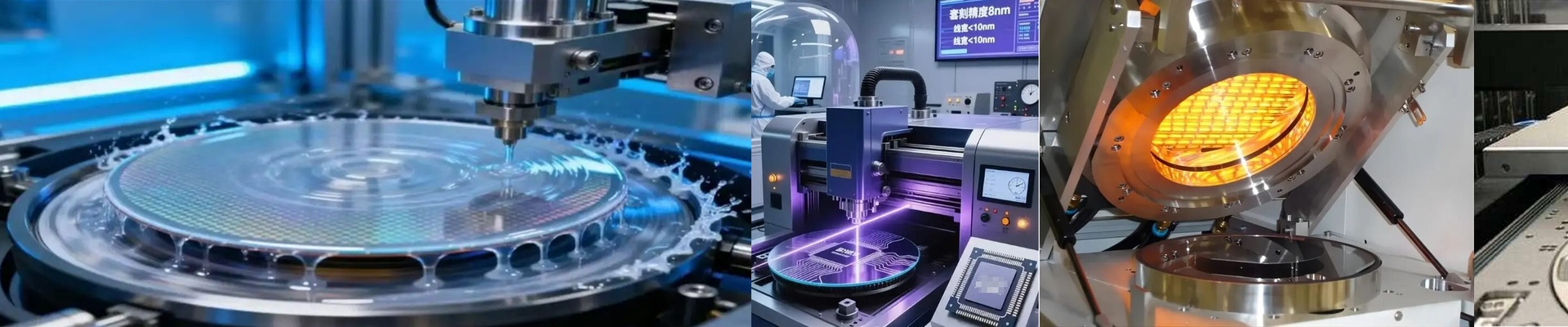
Instead of heating the air, we use short-wave IR lamps. The energy goes straight to the wafer surface. No middleman. No heating up the room. The radiation hits the moisture and it just… vanishes. It’s nearly instant. Because you aren’t waiting for a giant box of air to reach the right temperature, you save a ton of power. Your ramp-up is faster, and you aren’t burning electricity while the machine sits idle.
Getting the specs right
You can’t just swap out a few bulbs and call it a day. That’s a rookie mistake. You have to match the wattage and wavelength to your specific substrate. Here’s the thing: if the wavelength doesn’t line up with how water molecules actually absorb energy, you’re basically just heating up the metal frame of your machine. That’s not efficiency; that’s a space heater. We spend a lot of time tuning the emitter materials. The goal is simple: get the energy into the water and nowhere else. Plus, the faster the drying cycle, the less time that lamp is drawing power. We track the kWh per wafer because, at the end of the day, that’s the only number that proves your emissions are actually dropping.
The real-world headache
Now, it’s not all magic. High-intensity IR puts out a massive amount of heat. Great for your throughput, but it’s a nightmare for your cooling system if you aren’t ready for it. If your chilled water loop can’t handle the heat coming off those lamp housings, you’ll start seeing thermal drift. Your process gets unstable. You have to play a balancing act. You’re saving energy at the heater, sure, but you might be spending it on extra cooling fans and pumps. We only care about the net gain. If the total power draw is lower, you win. Everything else is just noise.