
Stop Burning Your Hands: A Better Way to Heat Fab Equipment
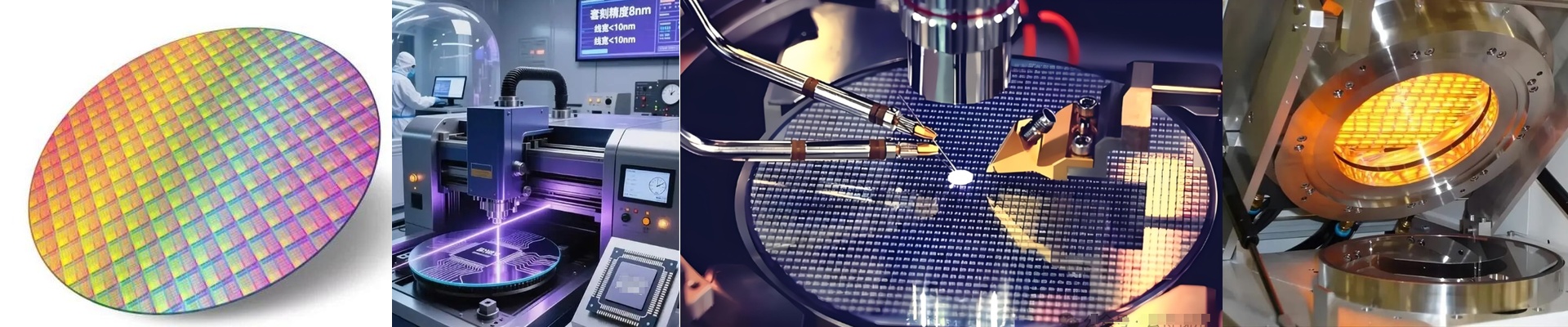
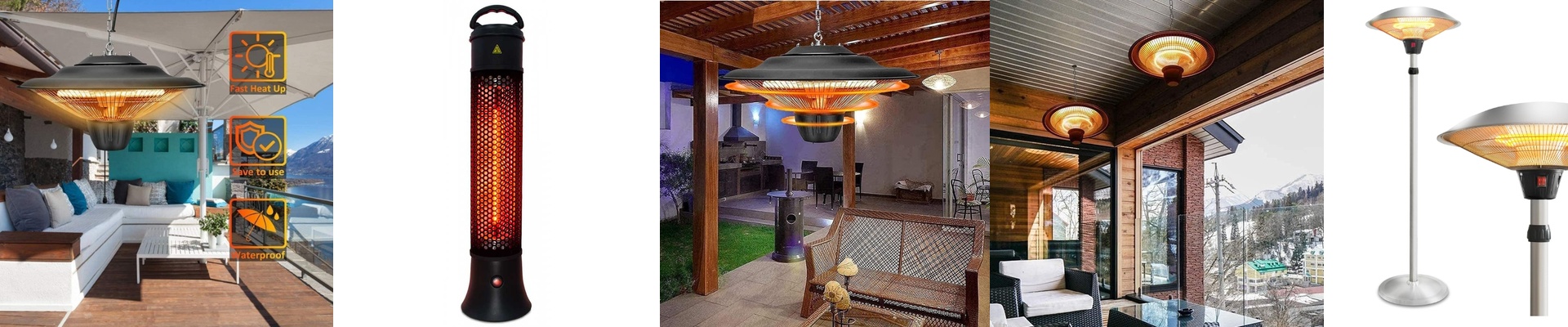
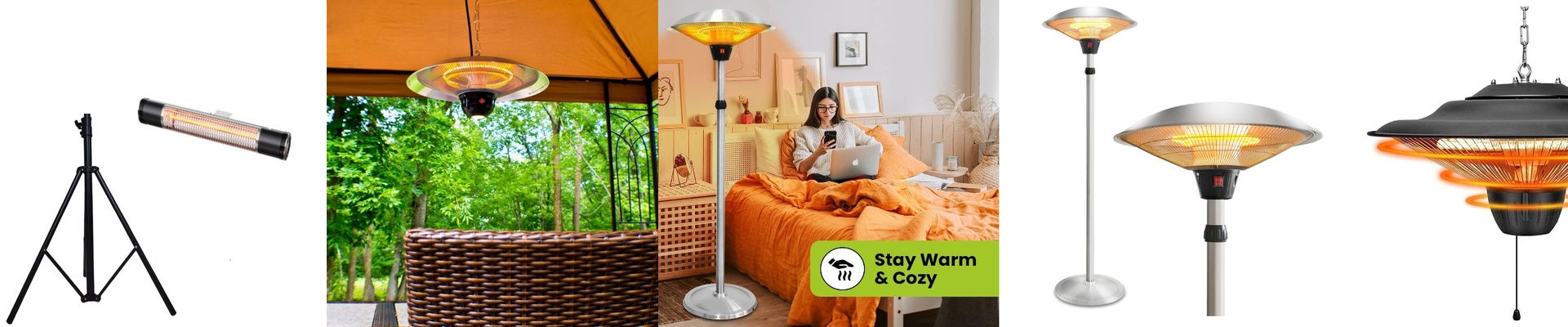
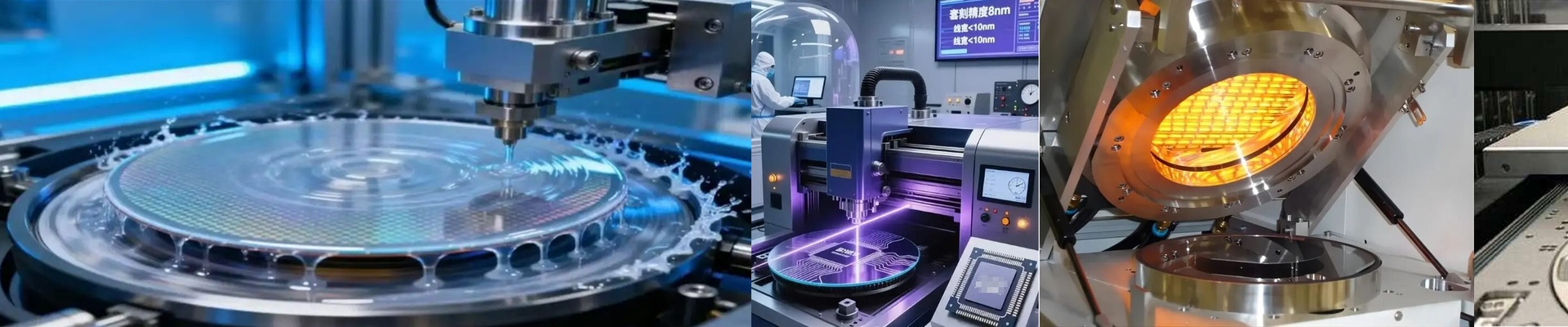
If you’ve spent any time upgrading clean room gear, you’ve probably run into this: the inner walls of a machine getting so hot they’re practically a hazard. It’s a frustrating problem. You’ve got these expensive tools, but the operators are dodging burns because the equipment is radiating heat in every single direction. Most standard heating elements just dump energy everywhere—360 degrees of heat. A huge chunk of that energy never even touches the wafer; it just bakes the machine chassis instead. The trick is getting that heat to actually go where it’s needed. We use directional infrared (IR) tech to fix this. Instead of letting the heat spray everywhere, we use reflectors or specific coatings to push the radiation straight at the target. It concentrates the energy exactly where it belongs. The best part? The surrounding walls stay cool because the thermal load isn’t hitting the shell anymore. Now, when you’re picking out these lamps, you have to watch your wattage and voltage. That’s what controls your ramp-up speed. If you go with a high-wattage shortwave lamp, you hit your target temperature almost instantly. It’s fast. Really fast. But there’s a catch. When you push that much power, your cooling fans or chilled water loops have to be able to keep up. If you under-spec the cooling, you’re going to melt your lamp sockets or fry the connectors. It’s a simple trade-off, but one you can’t afford to ignore. Moving to directional heating isn’t just about saving a few bucks on the electric bill. It’s about the people on the shop floor. When the inner walls aren’t soaking up wasted heat, maintenance becomes a lot less stressful. No one likes bracing for a burn every time they reach into a machine. We’ve made these as drop-in replacements. You just wire them into your existing controllers and you’re good to go, but you get a much tighter, cleaner thermal footprint. Just one thing to keep in mind: those directional coatings don’t last forever. After thousands of hours, they start to wear down. You’ll want to keep an eye on the output to make sure the beam is still focused. Once the coating goes, that heat starts leaking back into the walls again, and you’re right back where you started.