
Keeping Things Safe (and Not Explosive) When heating Chemical Wafers
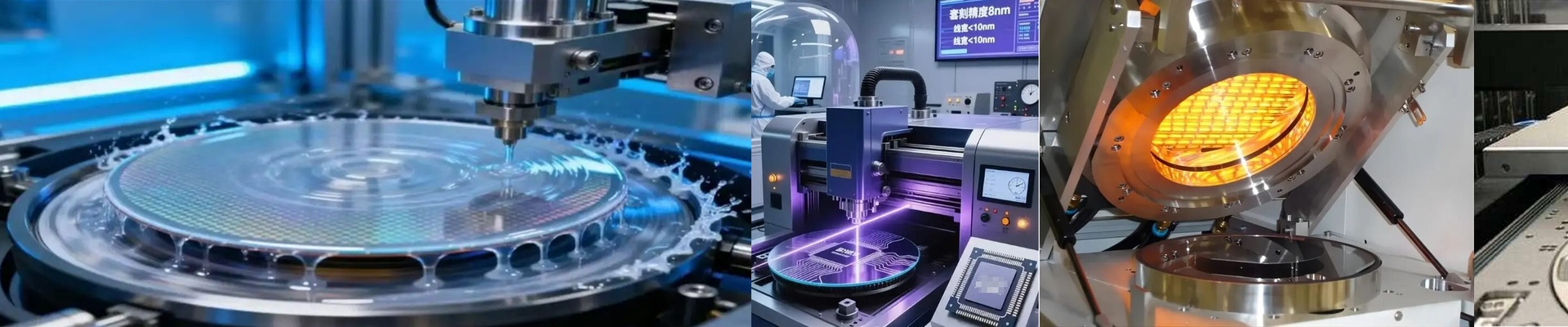
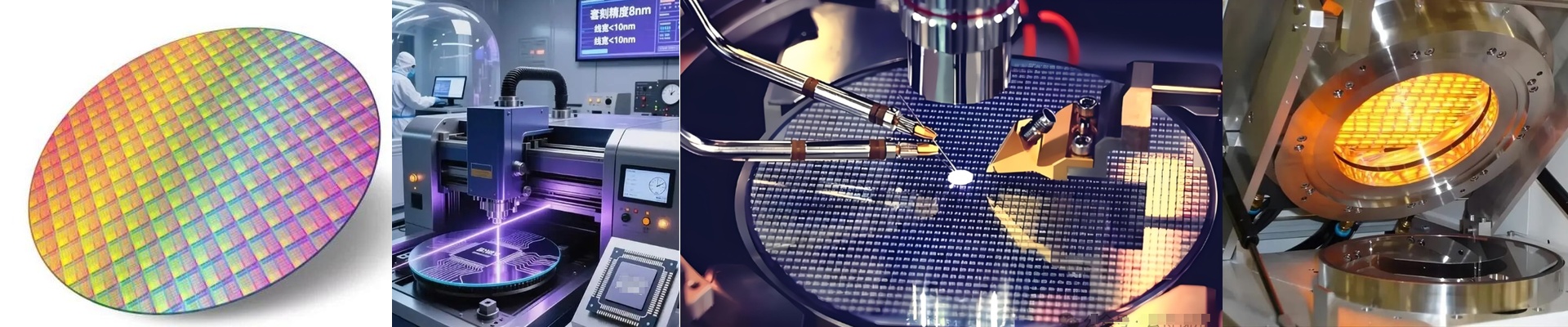
Let’s be honest: running IR lamps over chemical cleaning baths is a bit like playing with fire. You’ve got volatile organic compounds and flammable vapors hanging in the air. One stray spark or a sudden spike in surface temperature, and you’re not just looking at a ruined batch—you’re looking at an explosion. That’s why we stopped using bare quartz tubes. Instead, we went with specialized encapsulation. The tricky part about the “Safety Gap” Getting the distance between the IR emitter and the wafer just right is a balancing act. It’s not just about getting the heat even. It’s about making sure you don’t ignite the room. If the lamp is too close, you risk overheating the chemical residue left on the wafer. That leads to off-gassing, which is exactly what we want to avoid. But if you push the lamp too far away, your heat density drops and your cycle times start dragging. We handle this by using custom quartz sleeves and sealed housings. Think of it as a physical shield. It keeps those chemical vapors from ever touching the energized filaments. Why the materials actually matter We seal our heating elements in high-purity quartz or specific glass envelopes. This keeps any electrical arcs trapped inside the tube where they belong. We also put reinforced seals at the lead-in points. Why? Because corrosive fumes love to eat through wiring. If you just toss a standard lamp into a chemical environment, the seals will give out and the lamp will burn out in a few weeks. It’s a waste of money. Our encapsulated units are built to take a beating from acid fumes without quitting. The trade-offs Now, here’s the catch. When you wrap a lamp in a protective housing, you’re adding a layer of thermal resistance. You’ll notice a slight dip in how fast the heat transfers compared to a bare tube. It’s not a dealbreaker, though. You can usually fix this by bumping up the wattage or tightening the safety distance—as long as you stay within your facility’s explosion-proof limits. And a quick tip: make sure your exhaust system is actually pulling those vapors away from the heating zone. It keeps the whole footprint safe and gives you some peace of mind.