
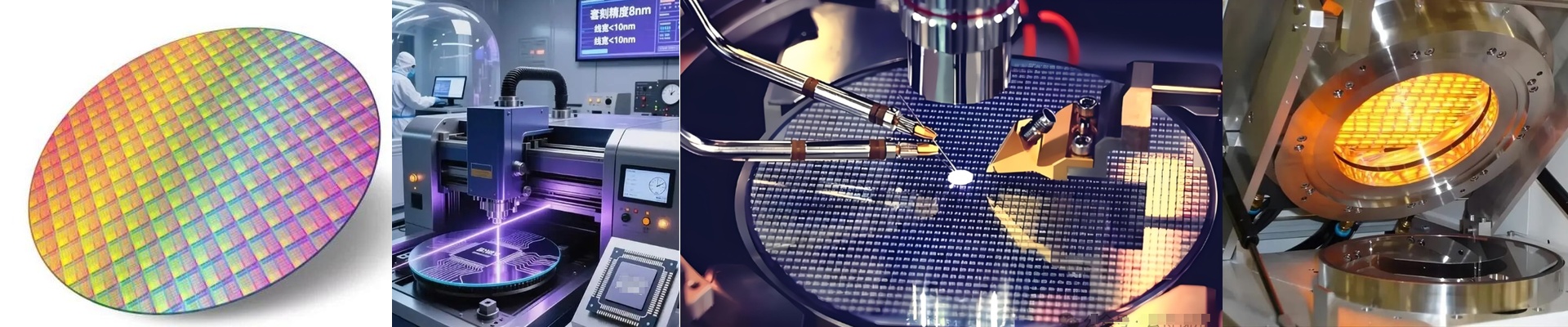
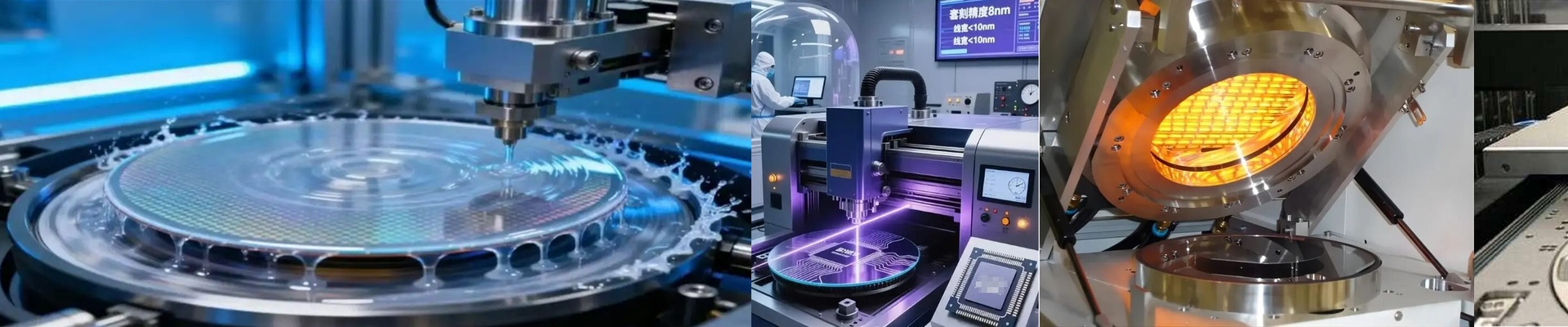


On the fab floor, the furnace heating element isn’t just a heat source. It sets film thickness, controls stress, and keeps junction integrity intact. A few degrees of drift and yield falls off a cliff. Add particle generation and you can scrap an entire lot. We built our LPCVD furnace heating element to hit the thermal profile modern wafer processing demands, and it meets the same performance bar as international semiconductor equipment standards. What matters under the hood We use high-purity quartz with embedded resistive elements to get wafer-level thermal uniformity within ±0.1°C across the boat. Fast ramp rates shave cycle time without blowing the thermal budget. Cleanroom Class 1–100 compatibility comes from a low-outgassing design that keeps particle counts at baseline. Zero particle generation during temperature transitions protects photoresist integrity in adjacent tools. Why this plays in LPCVD Temperature stability drives deposition rate and film quality, plain and simple. Our element holds setpoint through thousands of runs, so repeatability stays tight for oxides, nitrides, and polysilicon. The same precision helps photoresist bake steps—soft bake and hard bake profiles that cut CD variation and line-edge roughness. Efficient heating with minimal heat loss drops energy use, and reliability means fewer unplanned maintenance stops. The details that make it work Installation hinges on matching the furnace hot-zone geometry and the connector interface. We supply dimensional drawings and calibration routines to line up with your existing tool. Respect maximum power density and thermal cycling limits to preserve element life—overshoot during fast ramps will shorten service intervals. We provide full traceability, qualification documentation, and on-site validation to slot cleanly into your process control plan.