
Why we’re moving to IP65 Infrared for bathrooms
Let’s be honest: old-school bathroom heaters are kind of a mess. They usually rely on basic filaments that just aren’t built for the damp. You’ve probably seen it—they flicker, they burn out, or they just stop working because the humidity finally got to them. That’s why we’ve shifted to IP65-rated infrared elements. They’re built for the chaos of a bathroom—the steam, the accidental splashes, and the constant switching from freezing cold to boiling hot.
The deal with IP65 and actual warmth
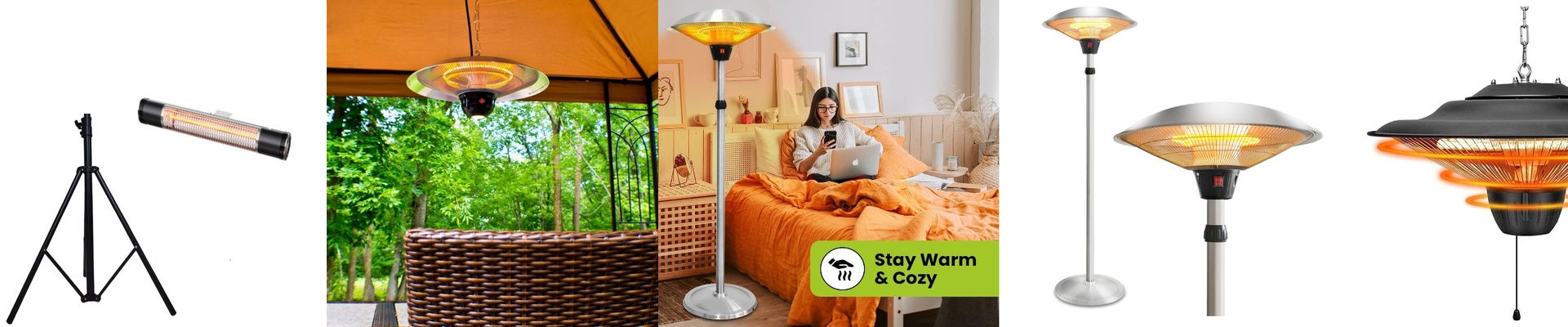
When you see “IP65,” it basically means the unit is dust-tight and can handle a direct jet of water. That’s a big deal in a shower. In a normal heater, steam sneaks into the housing, eats away at the terminals, and eventually causes a short. We seal these units tight so the moisture never even touches the electrical parts. But the real magic is how it feels. Most heaters try to warm up the air in the whole room. That takes forever. Infrared is different. It sends out short-wave radiation that hits you directly. You feel the warmth the second you turn it on. It’s immediate. Which is exactly what you want when you’re stepping out of a shower into a cold room.
The materials (and the trade-offs)
We use quartz glass and tungsten filaments to keep the heat focused. To make it waterproof, we wrap the whole thing in a sealed housing with heavy-duty, high-temp gaskets. Now, there’s a catch. Because the unit is sealed tight to keep water out, the heat gets trapped inside the housing more than it would in an open-air heater. We have to be really picky about the materials we use for the casing. If we use cheap plastic, it’ll warp or start smelling weird over time. Quality materials are the only way to make this work.
Getting it installed
If you’re upgrading an old system, these are pretty much drop-in replacements. You wire them into your existing circuit, and you’re good to go. The best part? Those sealed terminals mean you can stop worrying about corrosion from the humidity. Just a quick tip: if you’re doing a full renovation, double-check that your breaker can handle the initial surge when the infrared kicks in. Once that’s sorted, it’s a simple swap that gets rid of all those annoying failure points that plague non-waterproof heaters.