Stop Turning Your Wafer Tools Into Ovens
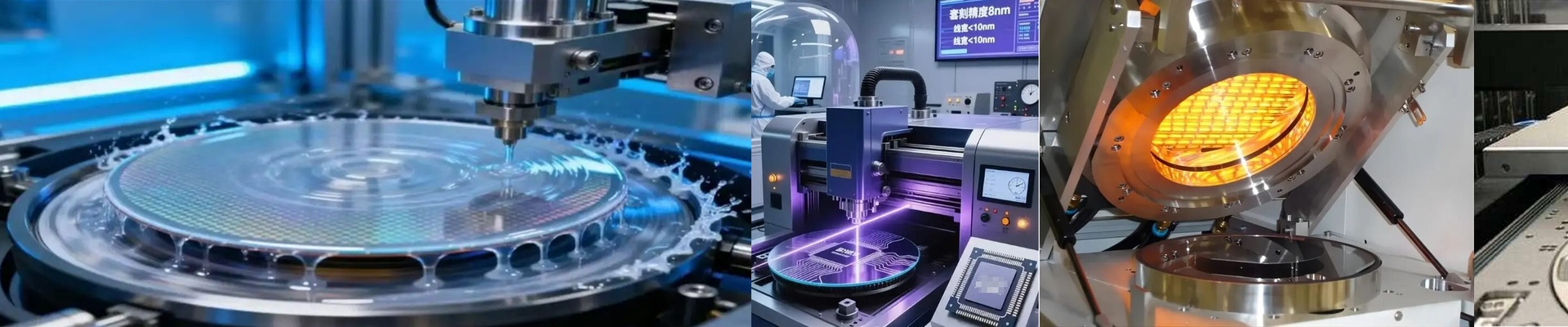
When you’re building a wafer tool, the last thing you want is to waste energy heating up the inner walls. Most traditional heating elements just blast heat in every direction. It’s messy. You end up with “hot walls” that make the equipment frame expand and—even worse—create a real safety risk for whoever has to work on the machine. We handle this differently. We use directional infrared (IR) heating.
How it actually works
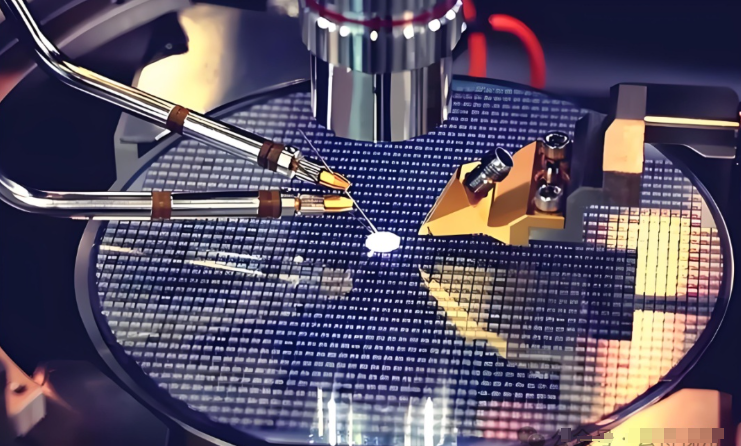
Think of it like a flashlight instead of a lightbulb. Instead of letting heat leak everywhere, we use specific reflectors and wavelength emitters to push that energy straight at the wafer. The heat goes where it’s supposed to go. The chassis stays cool. You get the exact temperature you need on the substrate without turning the inside of your cabinet into a sauna.
Why this makes life easier
This is a huge win for your cooling system. If you’re using standard lamps, your chillers are basically fighting a losing battle just to keep the walls from overheating. They’re working overtime. But when you direct the flux, the ambient temperature inside the tool drops significantly. It’s a simple fix, but it means your operators won’t get burned when they open the chamber for maintenance. That’s a win for everyone on the shop floor.
The catch (and how to handle it)
Now, this isn’t “plug and play.” Directional IR is precise, which means it’s picky. If your lamp alignment is off by just a few millimeters? You’re going to see cold spots on your wafer. It’s frustrating. To avoid that, you’ve got to make sure your mounting brackets are rock solid—zero drift allowed. And one more thing: these lamps get incredibly hot at the filament. Don’t cheap out on the wiring. Make sure your connectors are rated for the thermal load, or you’ll be dealing with burnt-out terminals sooner than you’d like.