

Precision IR Sensor for Wafer Processing
When you’re building a fab that’s ready for the future, heat isn’t just heat—it’s information. The real question isn’t whether you can warm up a wafer. It’s whether your system can read that heat and make sense of it, with real precision. That’s exactly where a precision infrared sensor comes in. It becomes the backbone of your thermal data strategy, feeding your digital systems a clean, dependable signal. That’s how you get semiconductor manufacturing that’s consistent, repeatable, and under control.
A Closer Look: The Physics Behind the Precision
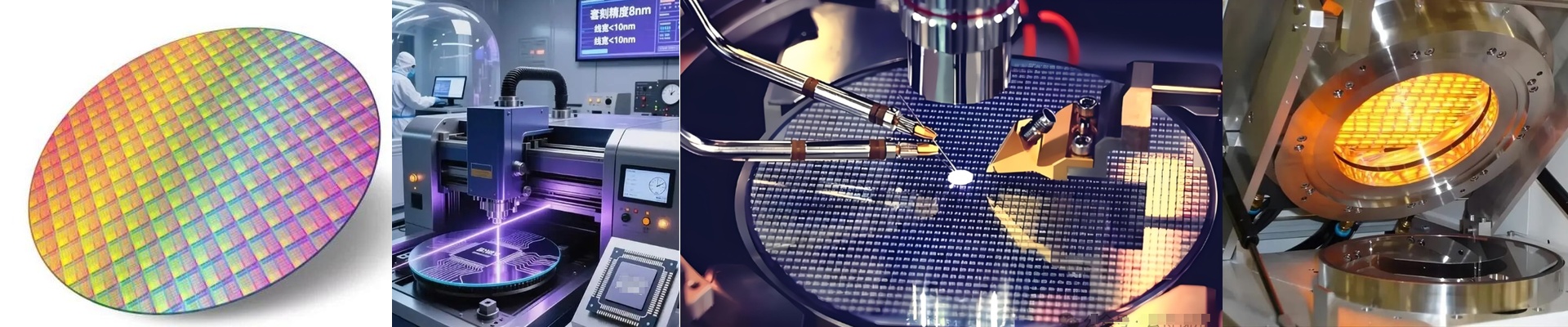
We built this infrared sensor system to live up to the exacting demands of wafer processing. It gives you a signal that’s stable and high-resolution, which translates into tighter control over your process temperature. In semiconductor work, that kind of control isn’t optional—it’s mandatory. The design handles rapid thermal shifts, so your control system can respond in real time as conditions change on the wafer. We tune the sensor to a specific spectral response, so it measures the exact thermal signature of the material you’re working with. The outcome? Data engineers can trust, not just glance at.
Built to Last. Built to Connect.
The optics and housing are made for the fab floor—tough, reliable, and ready for 24/7 duty. Quartz components bring the thermal stability and chemical resistance you need when the line never sleeps. Inside, the electronics are shielded to keep electrical noise from pushing your signal around, which is a headache you don’t want in a busy automation environment. And when it comes to integration, this system plays nice. It outputs clean, digitized thermal data that plugs straight into your process control logic. No more guessing with analog signals—just solid numbers. The sensor becomes part of your network, not just another box on the bench.
What It Does on the Fab Floor
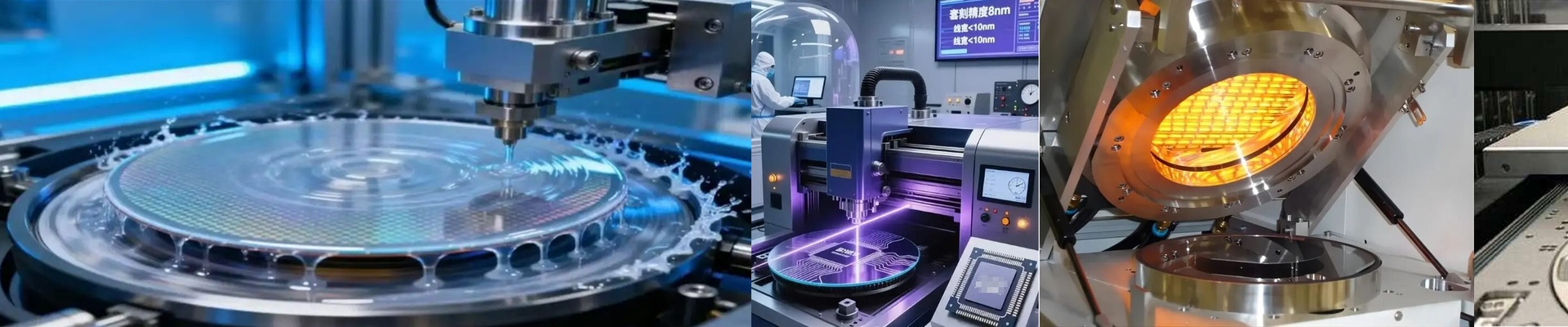
In a smart fab, this sensor isn’t just measuring temperature. It’s enabling control that anticipates what’s coming. With accurate thermal data, your system can adjust power on the fly, protecting the wafer from thermal stress and cutting down on wasted energy. That means fewer scrapped runs and better protection for expensive tooling. Plus, it’s designed to drop right into existing lines, so you can upgrade without dragging out downtime. Here’s the trade-off, though. High-resolution thermal data needs a network that can carry it and processing power that can keep up. You’ll need the compute muscle to match what the sensor delivers. We bring the precision. You bring the processing. Together, the system runs smarter—not just hotter.
The Bottom Line
A precision IR sensor turns heat into actionable intelligence. If you’re planning a true Industry 4.0 wafer fab, it’s the bridge that connects thermal energy to digital smarts.