
Stop Wasting Your Heat: Why Aluminum Reflectors Actually Matter
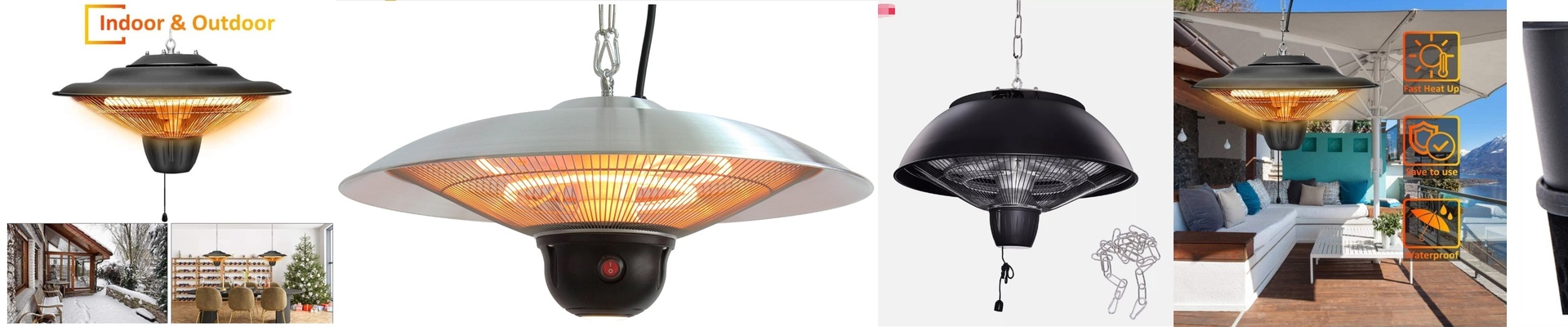
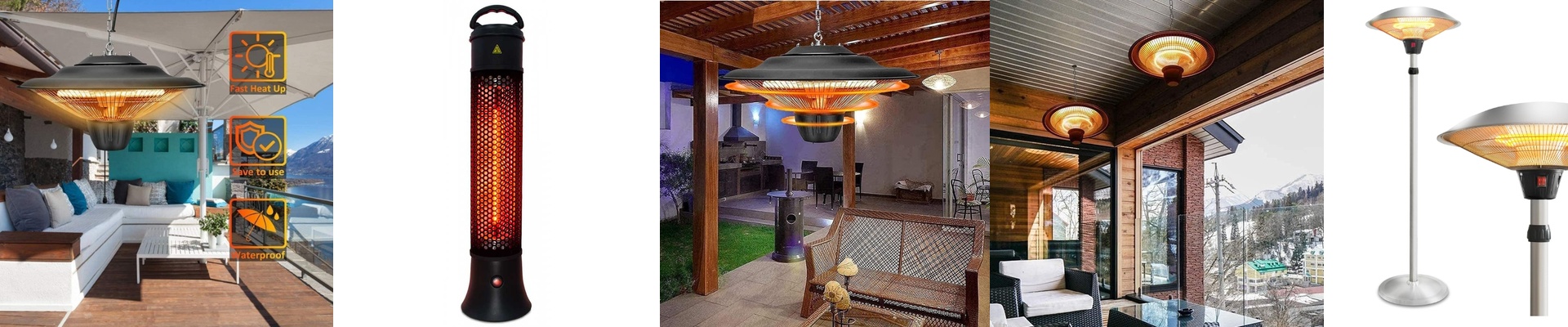
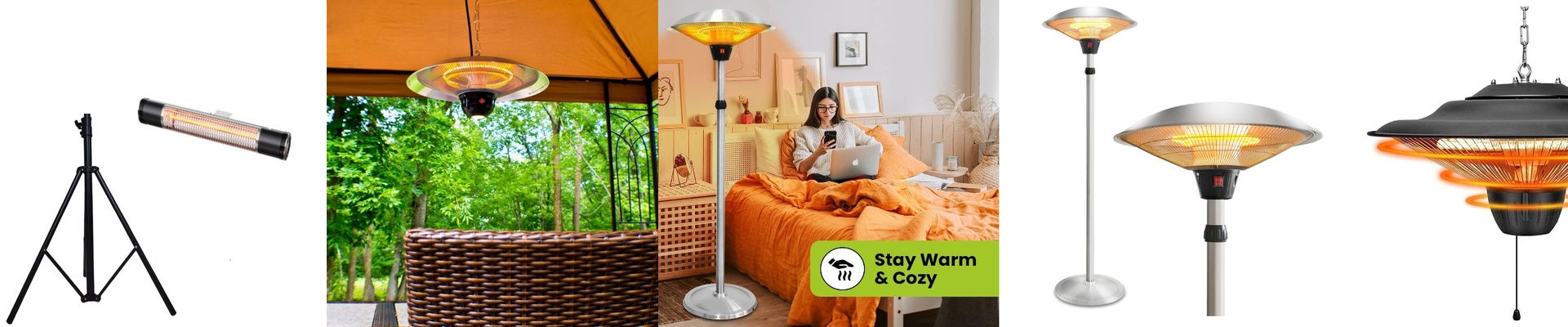
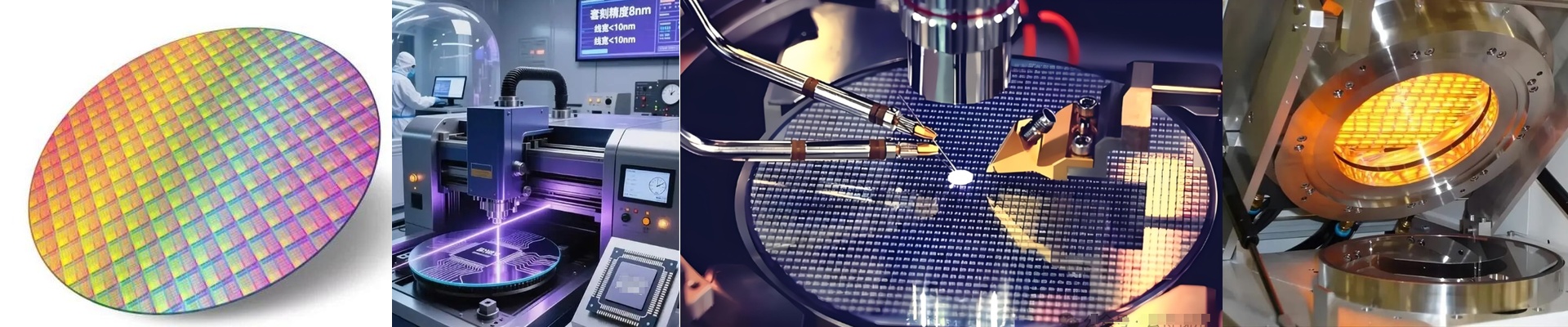
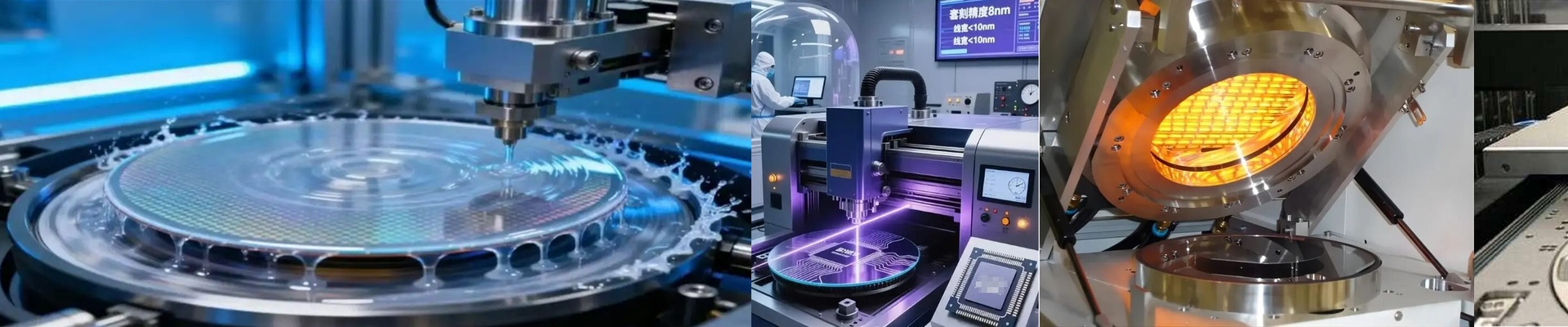
Here’s the problem with IR lamps: they throw heat in every single direction. It’s a 360-degree blast. In a semiconductor setup, that’s just messy. When that energy hits the inside of your machine chassis instead of the part you’re actually trying to heat, two things happen. You waste a ton of power, and your equipment gets dangerously hot. I’ve seen cases where the walls of a machine get hot enough to actually burn someone. Not exactly the goal. That’s where high-purity aluminum reflectors come in. Getting the heat where it belongs Think of a reflector as a way to reshape the energy. By tucking the lamp into a parabolic or elliptical aluminum housing, we stop the “spray” and push the photons exactly where they need to go. It changes everything. Instead of the whole machine soaking up stray heat, you get a tight, concentrated zone right on the wafer. The best part? You can touch the rest of the casing and it stays cool. Why we stick with aluminum It comes down to how it handles infrared wavelengths. Aluminum is great at bouncing that energy back rather than soaking it up. But it’s not just about the metal—it’s about the finish. If the surface is polished or anodized just right, the energy keeps moving forward. If the geometry is off, though, the metal can warp. You have to get the shape right to keep things stable. The tricky part You can’t just throw a reflector on a lamp and call it a day. There are trade-offs. For one, a housing messes with your airflow. Since the reflector traps heat around the ends of the lamp, your filaments can burn out way faster than they should. You’ll need to double-check your cooling fans or water jackets to keep things from overheating. And be careful with the focus. If you tighten the beam too much, you’ll end up with “hot spots.” In the semiconductor world, a hot spot is a disaster—it can ruin sensitive materials in a heartbeat. It’s all a balancing act. You have to play with the focal length and the distance to your target until the heat spreads evenly. It takes a bit of tweaking, but that’s how you get it perfect.