
Stop Letting the Cold Kill Your Patio Profits
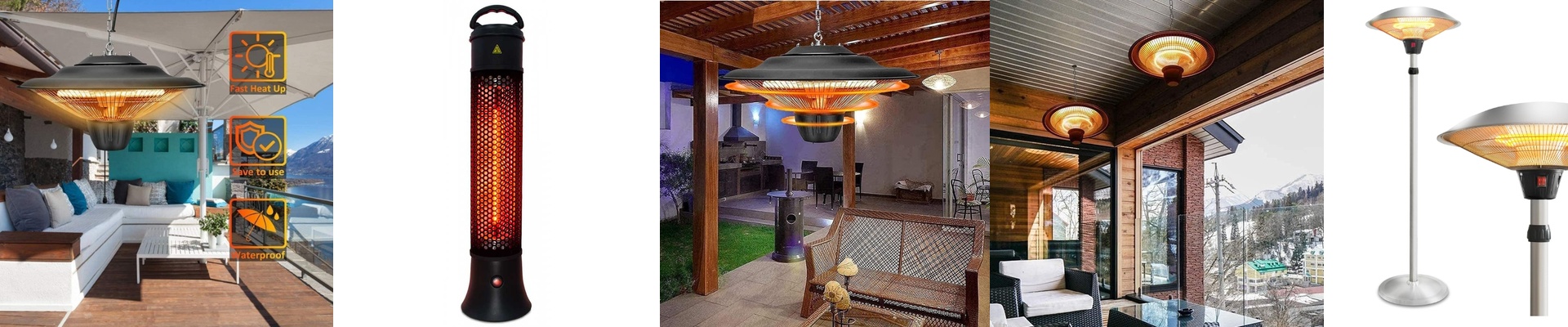
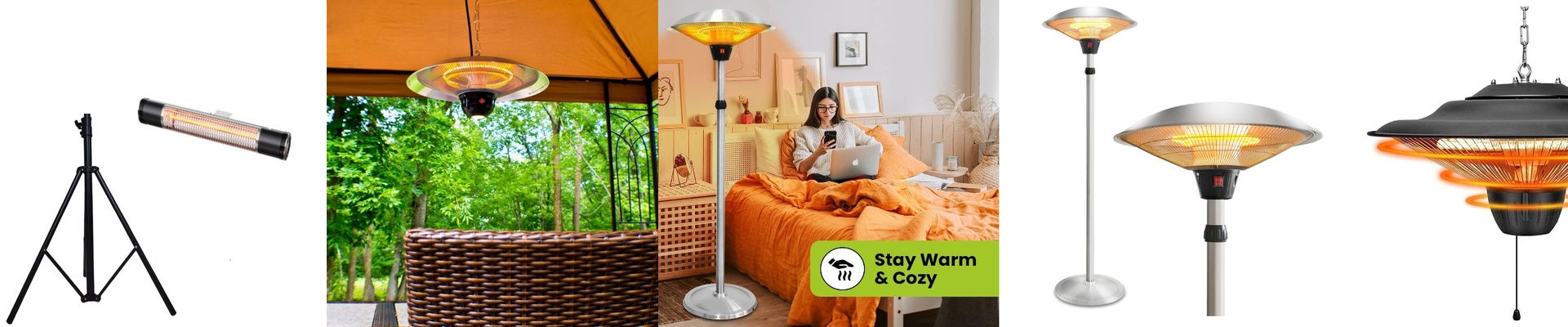
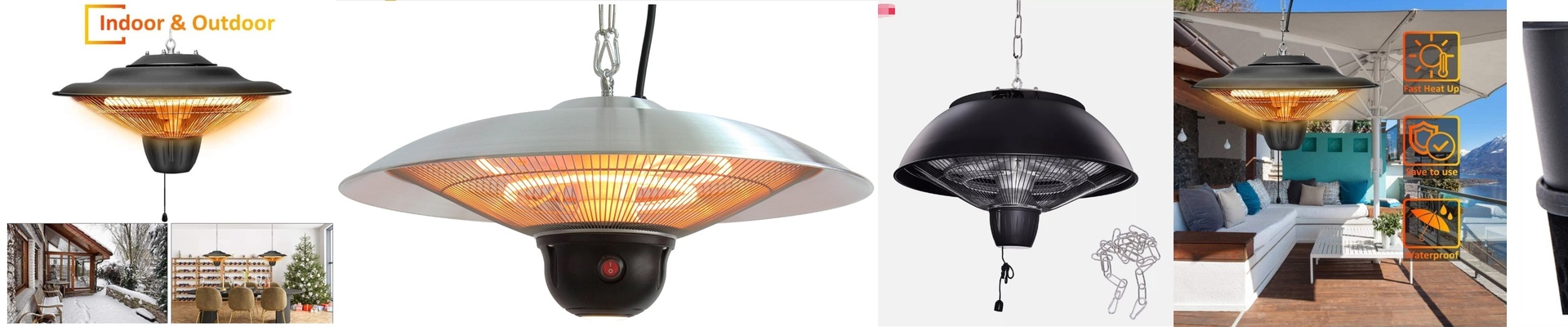
Nothing kills a dinner rush faster than a shivering customer. If you’ve tried using those big forced-air heaters on an open patio, you already know the deal: the heat just floats away the second a breeze hits. It’s a waste of money. That’s why we go with high-ceiling infrared. Here is the secret: it doesn’t bother trying to heat the air. Instead, it beams heat directly onto your guests. It feels like standing in the sun on a crisp October day. Your customers feel the warmth instantly, even if the wind is howling around them.
Getting the Height Right
Putting a heater on a high ceiling is a bit of a balancing act. The further the heat has to travel, the more you lose. To fix that, we use shortwave infrared. It’s much better at punching through the air to actually reach the table. We also use high-wattage units with reflectors that focus the beam. But you have to be careful. If you go too light on the power, your guests are still wearing their coats. Go too heavy, and you’ll literally bake the top of their heads. We spend a lot of time tweaking the beam angle so the warmth hits exactly where it should—the people, not the pavement.
The Bottom Line
Cold patios stay empty. It’s that simple. When you get the temperature right, two things happen. First, people actually show up. Second, they linger. When a guest is cozy, they aren’t rushing to finish their meal and run back to their car. They order that extra round of cocktails or a dessert they weren’t planning on. It turns your outdoor space from a “fair weather only” zone into a year-round money maker.
One Big Warning: The Power
Before you get too excited, let’s talk about the electrical side. These units are power-hungry. You can’t just plug them into a wall outlet and hope for the best. If you try to run a high-wattage array on a standard circuit, you’re going to trip your breakers right in the middle of a Friday night rush. You’ll likely need to upgrade your panels and plan out your load distribution. It’s a bit of a pain upfront, but it’s a lot better than having your entire patio go dark when the restaurant is full.