
What Makes These Patio Heaters Actually Work
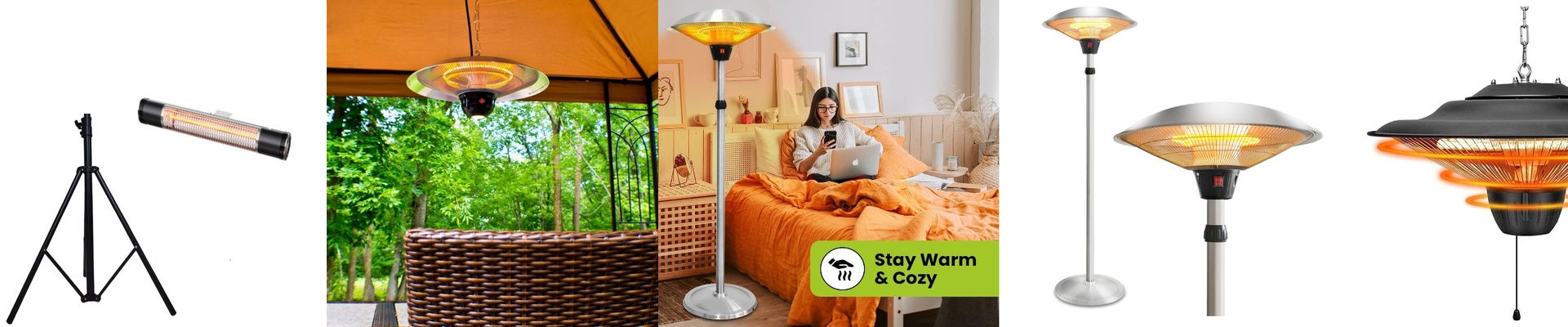
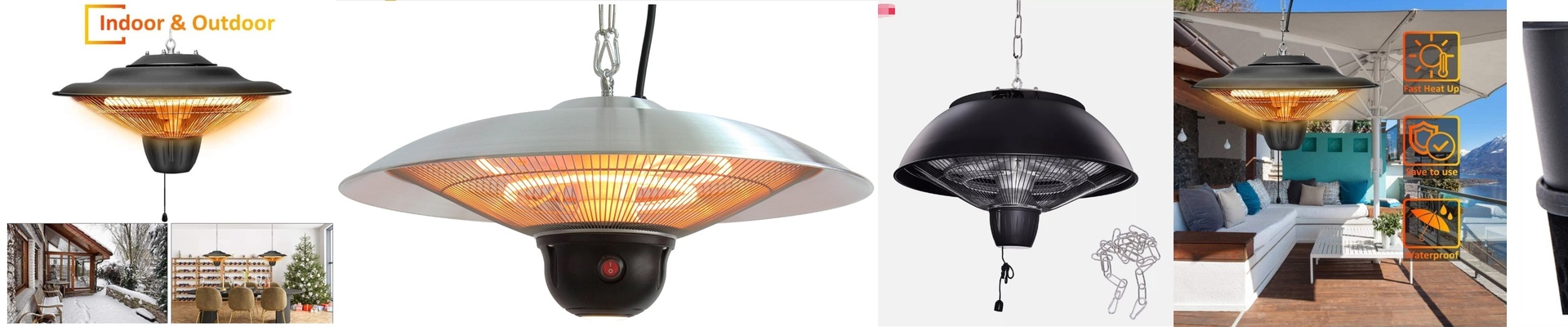
Here’s the thing: when we build standing patio heaters, we’re not just throwing a lamp into a tube. We’re on a mission to pump serious warmth into open spaces. So we lean on high-wattage halogen lamps—think 1500W to 2500W. That power isn’t random. We run them at 230V or 400V because that’s what commercial venues are wired for. It just fits. And the 300mm tube? That’s a smart balance. A longer tube spreads the heat a little more. A shorter one concentrates it into a tight, intense beam. But you need a strong reflector to keep that intensity from getting out of hand.
Inside the Glow: The Halogen Heart
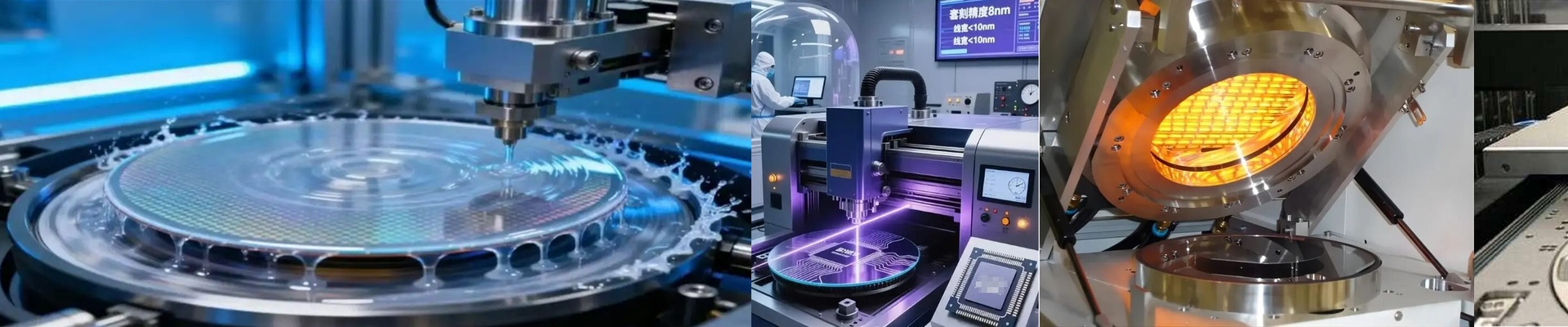
Inside, you’ve got a quartz envelope with a halogen cycle. This keeps the filament stable, so the lamp can run hotter and brighter than a regular bulb—without turning black and dim too fast. The connector is an R7s base. It’s built for high current and makes the lamp a simple drop-in replacement. And the quartz glass? It handles thermal shock. That means it can take the quick on-off cycling you see in busy commercial use without cracking.
The Payoff: Heat That Hits Right Away
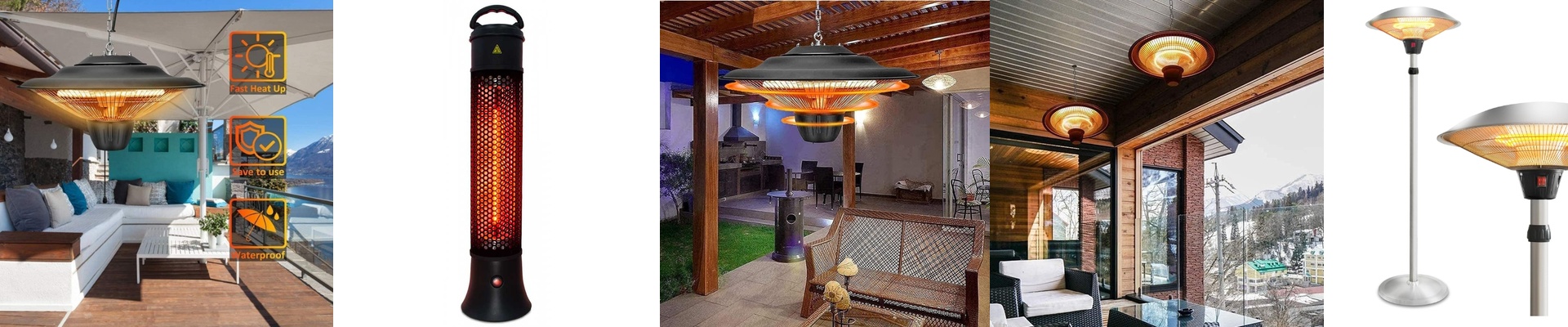
These heaters don’t waste time warming the air. They send out direct radiant heat. That beam cuts right through drafts and warms people and surfaces straight-up. It feels immediate. But there’s a trade-off: the heat is dense. So you need to keep clearances and protect nearby materials. We build the heater tough, but the setup around it has to be just as tough.