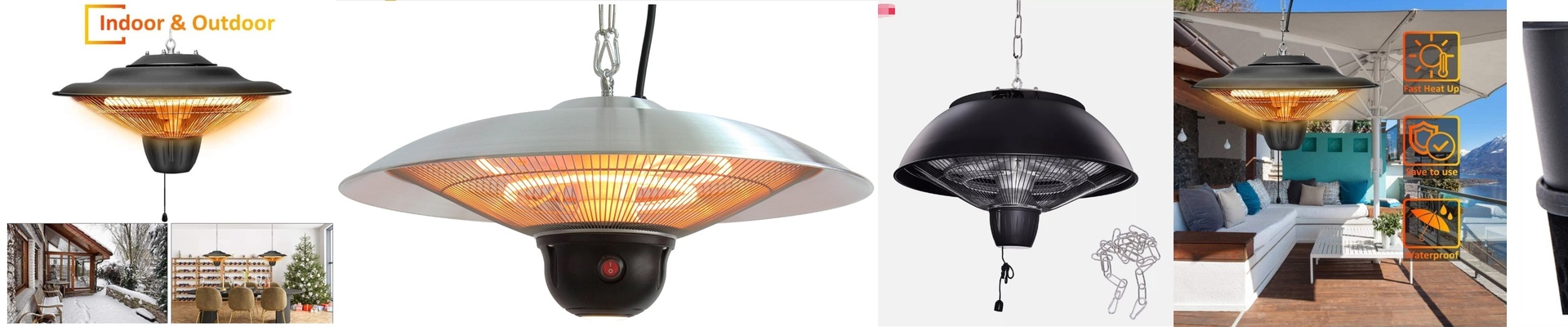
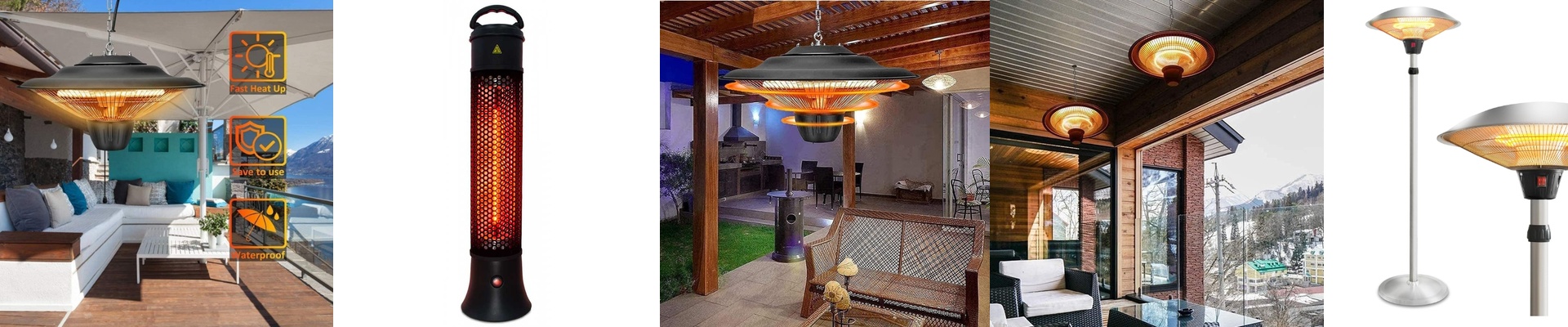

We build 12V and 24V electric heaters for engineers who need compact, localized heat—without the hassle of running mains voltage right to where it’s needed. They’re made to slip straight into machinery, control panels, and mobile gear, where space, safety, and precise control are non-negotiable. Power, voltage, and fit: the practical stuff These run on 12V or 24V DC, which keeps your control wiring straightforward and eases the insulation demands. The lower voltage means you can use thinner wire, which helps keep panel and machine wiring costs down. We match the wattage to the heat load you actually need, and we keep the physical footprint tight—so the heater fits into tight corners without forcing you to redesign the whole assembly. Built to last: materials and design choices that matter We use quartz envelopes because they handle fast temperature swings without flinching, staying stable even when the element runs hot. Halogen elements keep the filament steady and cut down on blackening over time, so output stays consistent. For termination, we lean on options like R7s or Sk15—because secure mechanical retention and solid electrical contact matter, especially when vibration is part of the job. Loose connections? They lead to spotty operation and shortened life. We design to avoid that. Where they shine: fast heat in small spaces You’ll find these heaters doing the work wherever you need quick response in a small footprint—plastic processing hot runners, packaging sealing bars, instrument enclosures. The low-voltage approach makes integration simpler and safer, but it still pays to plan for current draw and cooling. If you’re running at the top end of the wattage range, just make sure the surrounding components can handle the added warmth.