
IR Heating vs. Hot Air: Which one actually works for bio-sensors?
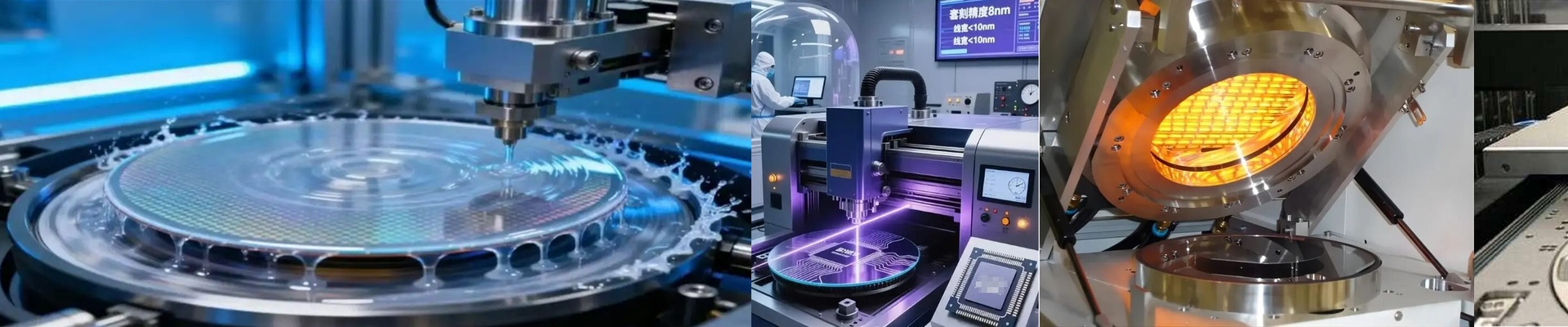
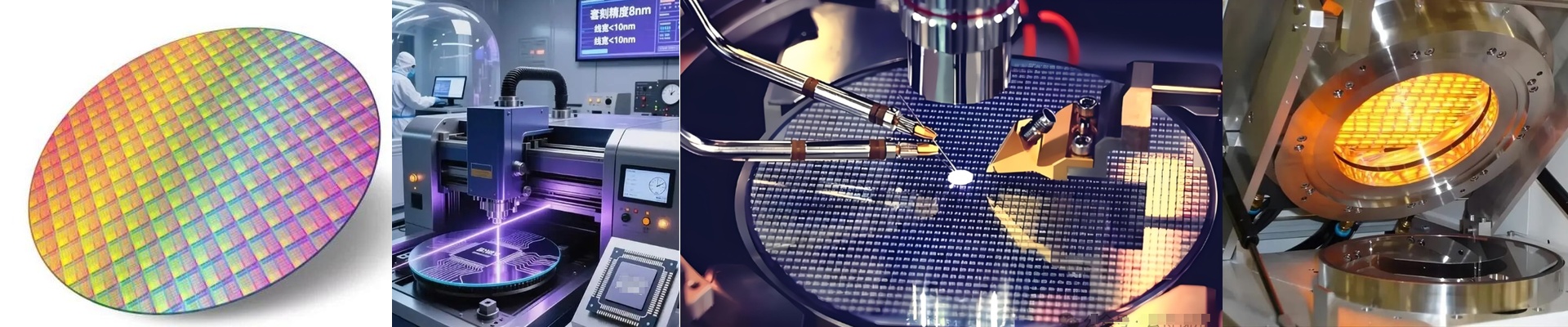
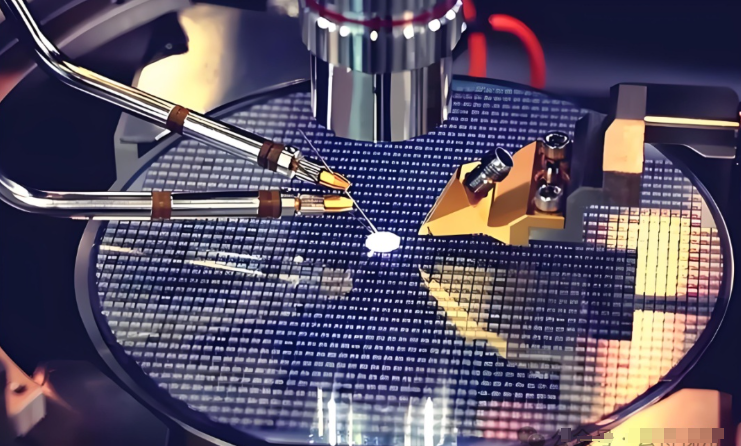
If you’re building bio-sensors for the semiconductor world, you know the biggest headache is usually the curing or drying stage. It’s the bottleneck. Everything slows down right there. Most old-school lines just blow hot air around. We see it all the time. But here’s the problem: air is terrible at moving heat. You end up wasting a ton of energy heating up the entire room just to get your substrate to the right temperature. It’s slow. It’s clunky. The shortcut: IR lamps. Instead of messing with the air, IR lamps use radiation that goes straight into the sensor material. It’s an instant hit. You aren’t standing around waiting for a fan to push warmth across a wafer. In deep processing, this is where you win your time back. We’re talking about cutting ramp-up times from minutes down to a few seconds. If you need a flash-cure or a quick dehydration step, IR just kills the lag that forced-air systems always have. But it’s not all magic. Switching to IR takes a bit of finesse. Since it’s “line-of-sight,” you have to be careful. If your jigs or carriers cast a shadow, you get a cold spot. You can’t just throw the lamps in; you have to map out exactly where they sit to make sure the energy hits the whole array evenly. And you have to watch the heat. A hot air oven is pretty forgiving, but a high-wattage IR bank is aggressive. If your controllers aren’t dialed in perfectly, you can overshoot your target. A few seconds too long and you’ve scorched the organic layers of your sensor. Making it work in the real world. We usually treat IR lamps as a swap-out for specific steps in the line. When you replace a bulky convection oven with a tuned IR bank, your machine footprint shrinks. You get more wafers moving through the line every hour, and the best part? Your cleanroom doesn’t turn into a sauna. It’s just a smarter way to put the energy exactly where it needs to be.