
Stop Heating Your Machine and Start Heating Your Wafers
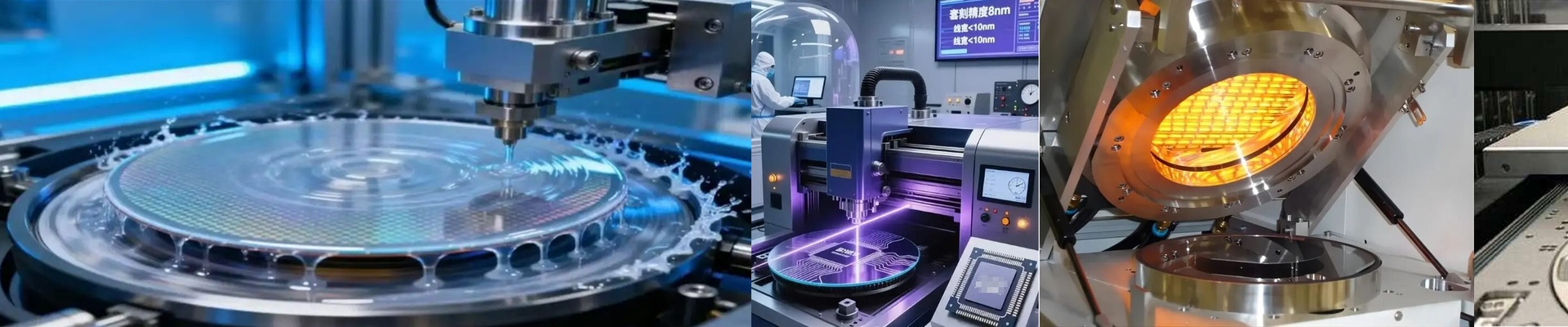
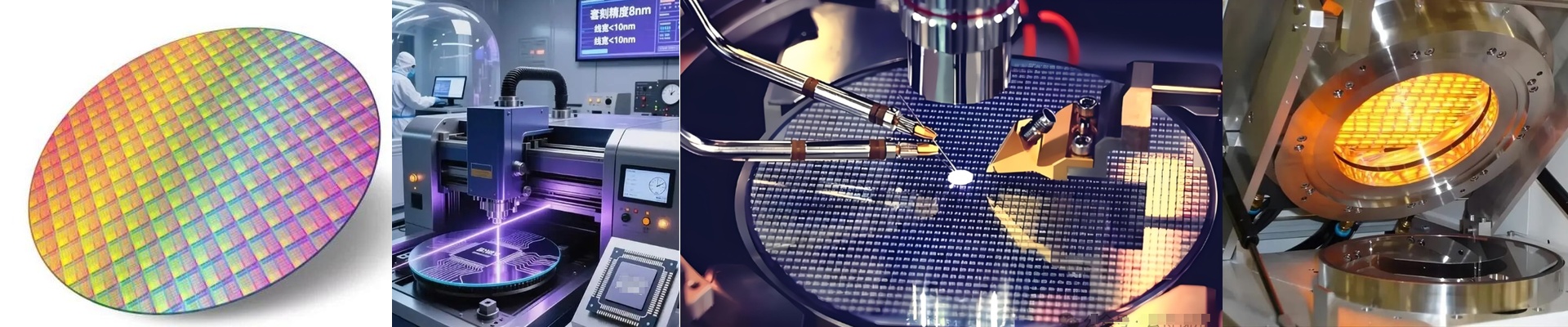
Here is the problem with standard infrared lamps: they blast heat everywhere. In a semiconductor curing chamber, that’s a nightmare. Without a good reflector, most of your energy just slams into the inner walls of the equipment. The result? A chassis that’s hot enough to burn someone and cooling fans that are screaming just to keep up. It’s a waste. Getting the heat where it actually belongs We use parabolic or elliptical reflectors to push that IR radiation straight at the wafer. Think of it as narrowing the beam. Instead of turning your entire tool into one giant oven, you’re concentrating the heat exactly where you need it. It makes a world of difference. The nitty-gritty on materials You can’t just use any piece of metal. The material has to take high-intensity shortwave IR without warping or oxidizing. Usually, we go with polished aluminum or gold-plated surfaces. Gold is the gold standard for reflectivity in the IR spectrum, though it’ll obviously cost you more. But here is the tricky part:alignment is everything. If your lamp is off-center by even a couple of millimeters, you’ll get hot spots. That means uneven curing, which means ruined wafers. Also, keep an eye on your wiring. These reflectors are great for efficiency, but they trap a lot of heat around the lamp ends. If your sockets and insulation aren’t rated for those high temperatures, they’ll melt. Simple as that. Working smarter, not harder When you get the heat direction right, two things happen. Your ramp-up time drops significantly, and the outside of your tool stays cool enough to touch. If you’re designing a heating assembly, don’t just throw more wattage at the problem. That’s a rookie mistake. If your reflector geometry is off, adding more power just wastes electricity and turns your cleanroom into a sauna. Focus on the shape. The rest follows.