

Introduction
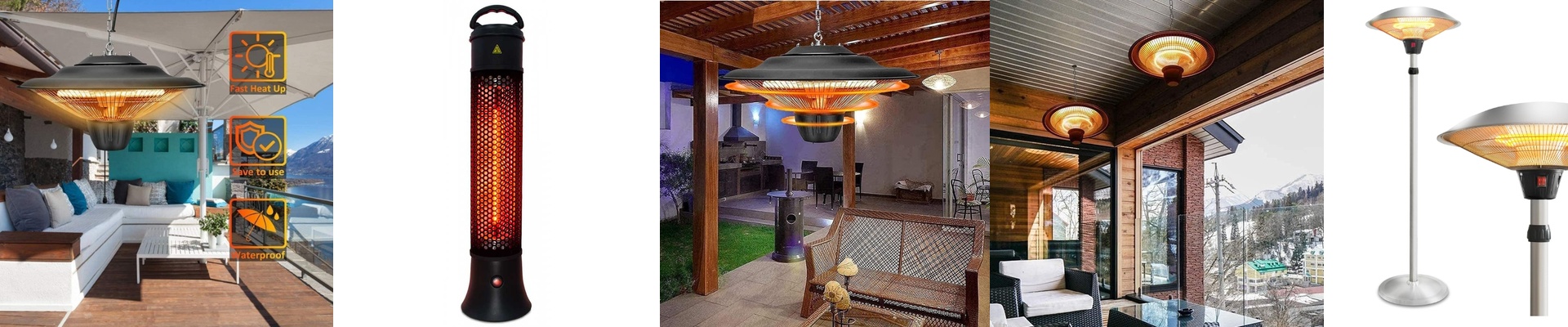
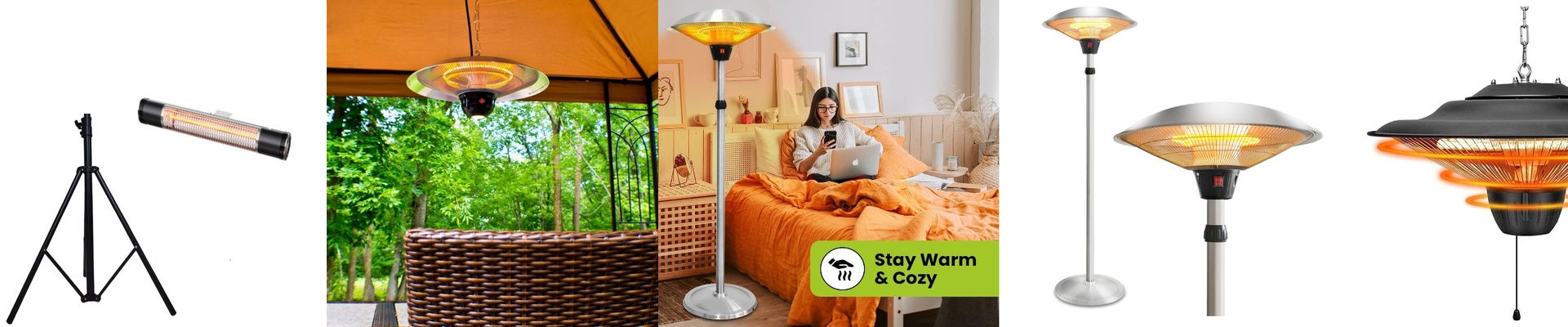
You know those old-school lamp heaters? The ones that feel like a gamble every time you turn them on? We built something better for the places they just can’t handle—like high-ceiling factories and modern bathrooms that need real, dependable warmth. This isn’t about chasing a trend. It’s about meeting the demand for safety and reliability head-on. Our high-ceiling radiators cut through the cold with targeted infrared heat, and they do it without the risk of exposed bulbs. Just clean, steady warmth.
The Tech, Without the Fluff
Here’s the thing: we designed these heaters around a 400V electrical system. That means they can push serious power across long distances without the voltage dropping off. Crucial when you’re trying to heat a massive space with a high ceiling. The 300mm tube concentrates the heat right where you need it, and the 2500W rating means it warms up fast. This combo gives you the kind of heat density that keeps large areas stable. Just keep in mind, your electrical circuit needs to be ready for that kind of consistent power.
What It’s Built From
We use a quartz halogen core with a special coating that shifts the heat spectrum toward medium-wave infrared. The result? The heat penetrates and warms surfaces directly, instead of just heating the air. It feels more direct. More purposeful. The R7s connector is built to stay tight, even when things heat up and cool down over time. And because these are meant for wet spots, the waterproof housing is seriously tough. It keeps moisture out and prevents short circuits. The Sk15 base gives it a solid lock, so you don’t have to worry about vibration loosening things up.
Where It Shines
In a modern bathroom remodel, these units replace those old lamp heaters with something safer and way more controllable. In industrial spots—like PET blowing, curing, or drying—they deliver focused heat in a compact footprint. Installation is a breath of fresh air. The unit drops right in without forcing you to rewire the whole place. Now, there is a trade-off. You’re getting fast, focused heat, so you need to manage the ambient heat buildup and make sure you have proper ventilation. For engineers, that translates to fewer headaches, fewer service calls, and less downtime. It just works.